
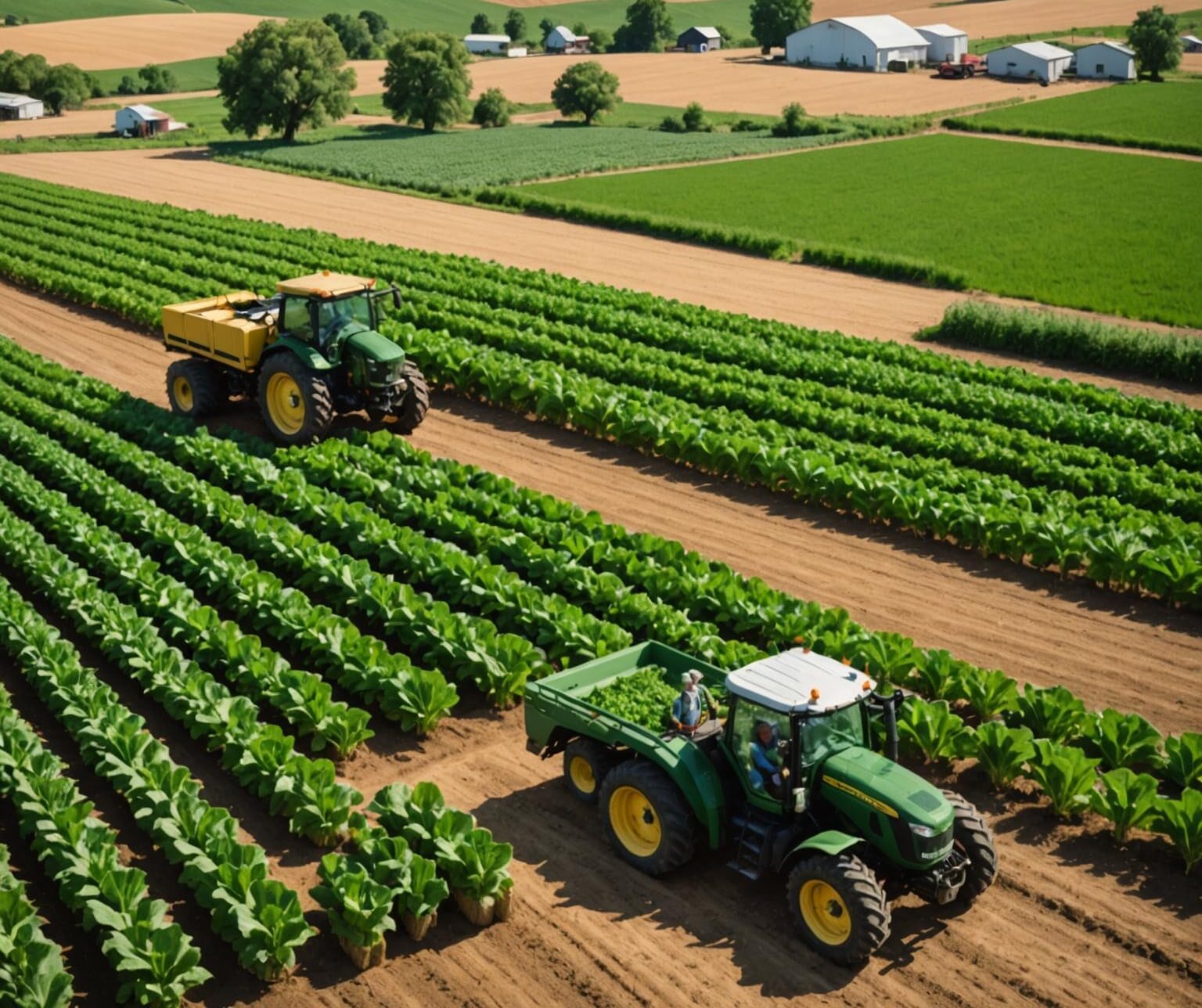
Choosing the right fertilizer for your garden can significantly impact your plants’ health and yield. With many options available, understanding the differences between compound and compact fertilizers can make your selection easier. This guide delves into these two types, helping you make informed decisions for your garden’s needs.
Fertilizers are essential for providing the nutrients plants need to grow. They come in various forms, each serving a specific purpose. Among them, compound and compact fertilizers stand out due to their unique compositions and benefits.

Compound Fertilizers
Compound fertilizers are multi-nutrient formulations, typically containing two or more essential nutrients like nitrogen (N), phosphorus (P), and potassium (K). These are often referred to as NPK fertilizers, representing the primary nutrients required for plant growth.
- Advantages: Balanced Nutrition: They provide a balanced mix of nutrients in a single application, making them efficient for gardeners.Ease of Use: With compound fertilizers, you reduce the number of applications, saving both time and effort.
- Disadvantages:Cost: They can be more expensive due to the complex manufacturing process.Specific Needs: They may not cater to plants with unique nutritional requirements.
Compact Fertilizers
Compact fertilizers, on the other hand, generally consist of single-nutrient granules. They are designed to meet specific nutritional needs by providing one primary nutrient at a time.
- Advantages:Customizable: Allows gardeners to tailor nutrient applications according to specific plant needs.Cost-Effective: Often cheaper than compound fertilizers as they target individual nutrients.
- Disadvantages: Multiple Applications: Requires separate applications for different nutrients, which can be time-consuming.Risk of Imbalance: Over-reliance on one nutrient can lead to imbalances in soil health.
Granular Fertilizer Differences
Granular fertilizers, whether compound or compact, offer a slow-release option, ensuring a steady supply of nutrients over time. This is beneficial for maintaining soil health and providing consistent crop nutrition.

Choosing the Right Fertilizer
When deciding between compound and compact fertilizers, consider the following:
- Soil Test Results: Determine existing nutrient levels and deficiencies.
- Plant Requirements: Understand the specific nutritional needs of your crops.
- Budget: Evaluate the cost-effectiveness based on your gardening scale and financial constraints.
Conclusion
Both compound and compact fertilizers have their place in gardening, each offering unique benefits depending on your needs. By understanding their differences and advantages, you can make a more informed decision, ensuring the health and productivity of your garden. Whether you’re a seasoned gardener or a beginner, using the right fertilizer is crucial for optimal plant growth and soil health.
Feel free to share your experiences with these fertilizers in the comments below!
 English
 Arabic
 Spanish
 French