
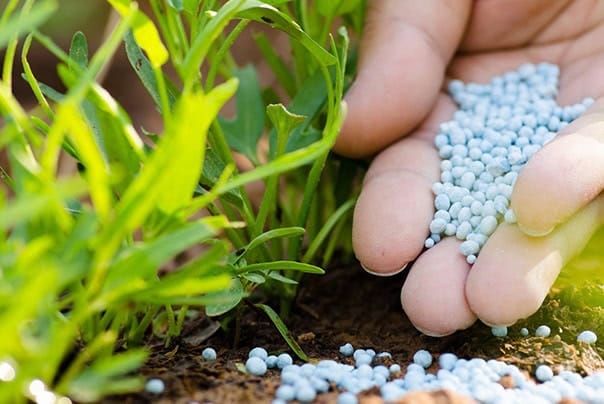
When it comes to growing healthy vegetables, providing the right nutrients is crucial. One option that has become popular among gardeners and farmers is compound D fertilizer. But what exactly is it, and is it good for your vegetables? Let’s dive into the details.
Compound D fertilizer is a type of multi-nutrient fertilizer that combines several essential nutrients into one product. It typically contains nitrogen (N), phosphorus (P), and potassium (K), often referred to as NPK. These are the primary nutrients that plants need in significant amounts to grow and thrive.
The Nutritional Role of NPK
- Nitrogen (N): Essential for plant growth, nitrogen is a key component of chlorophyll, which plants use to photosynthesize. It helps in the formation of amino acids, which are building blocks of proteins.
- Phosphorus (P): Plays a vital role in energy transfer within the plant. It is crucial for root development and flowering.
- Potassium (K): Important for overall plant health, potassium helps with water regulation, disease resistance, and enzyme activation.
By providing these nutrients, compound D fertilizer supports balanced plant nutrition, making it a versatile option for various crops, including vegetables.
Benefits of Using Compound D Fertilizer for Vegetables
Enhanced Growth and Yield
One of the primary benefits of using compound D fertilizer is its ability to enhance the growth and yield of vegetable crops. The balanced composition of essential nutrients ensures that plants receive what they need for robust growth. This can lead to larger, more abundant harvests, which is particularly important for commercial growers and home gardeners alike.
Improved Soil Fertility

Using compound D fertilizer regularly can also improve the fertility of the soil. As plants absorb nutrients, they deplete the soil of these essential elements. By replenishing them, compound D helps maintain soil health over time, ensuring that it remains productive for future planting seasons.
Convenient Application
Another advantage of compound D fertilizer is its convenience. Since it combines multiple nutrients in one product, it simplifies the fertilization process. Instead of applying different fertilizers separately, you can use compound D to provide a comprehensive nutritional package for your vegetables.
How to Use Compound D Fertilizer on Vegetables
Application Methods
There are several methods for applying compound D fertilizer to your vegetable garden:
- Broadcasting: This involves spreading the fertilizer evenly over the soil surface and then incorporating it into the soil with a rake or hoe. This method is suitable for large garden areas.
- Banding: Place the fertilizer in bands along the sides of the vegetable rows. This method ensures that nutrients are close to the root zone, where they are most needed.
- Top-Dressing: Apply the fertilizer directly on the soil surface around the base of the plants. This is often done during the growing season to provide an additional nutrient boost.
Recommended Rates
The recommended application rate for compound D fertilizer can vary depending on the type of vegetables you are growing and the existing nutrient levels in your soil. It’s important to follow the manufacturer’s guidelines or seek advice from local agricultural experts to determine the appropriate amount for your specific situation.
Comparing Compound D with Other Fertilizers
Organic vs. Inorganic Fertilizers

While compound D fertilizer offers numerous benefits, some growers prefer organic fertilizers due to environmental concerns. Organic fertilizers are derived from natural sources such as compost, manure, and bone meal. They release nutrients slowly and improve soil structure over time.
In contrast, compound D is an inorganic fertilizer, which means it is synthetically manufactured. It provides a quick release of nutrients, which can be advantageous for rapid plant growth but may also lead to nutrient leaching if not managed properly.
Single-Nutrient vs. Multi-Nutrient Fertilizers
Single-nutrient fertilizers supply only one of the primary nutrients (N, P, or K), which can be beneficial if your soil is deficient in just one nutrient. However, multi-nutrient fertilizers like compound D provide a balanced mix, making them more suitable for general use when you want to ensure your plants receive a comprehensive nutrient supply.
Environmental Considerations
While using compound D fertilizer has its advantages, it’s important to consider its environmental impact. Over-application can lead to nutrient runoff, which can contaminate water bodies and harm aquatic life. To mitigate this risk, always apply fertilizer at recommended rates and consider using slow-release formulas when possible.
Conclusion: Is Compound D Fertilizer Good for Vegetables?
In summary, compound D fertilizer can be an effective tool for promoting the healthy growth of vegetables. Its balanced nutrient composition, convenience, and ability to enhance soil fertility make it a popular choice among gardeners and farmers. However, it’s essential to use it responsibly to minimize any potential environmental impacts.
For those seeking a comprehensive vegetable fertilizer guide, compound D offers a reliable option for providing balanced plant nutrition and supporting healthy vegetable growth. Whether you’re a small-scale gardener or a large-scale farmer, understanding how to use compound fertilizers effectively can lead to a more productive and sustainable harvest.
 English
 Arabic
 Spanish
 French