
Fireworks have long been a symbol of celebration and joy, lighting up the night sky with vibrant colors and resounding booms. But have you ever wondered what makes these spectacular displays possible? At the heart of many fireworks is a crucial chemical compound: potassium nitrate. In this article, we will explore the role of potassium nitrate in fireworks, its uses, and safety considerations.
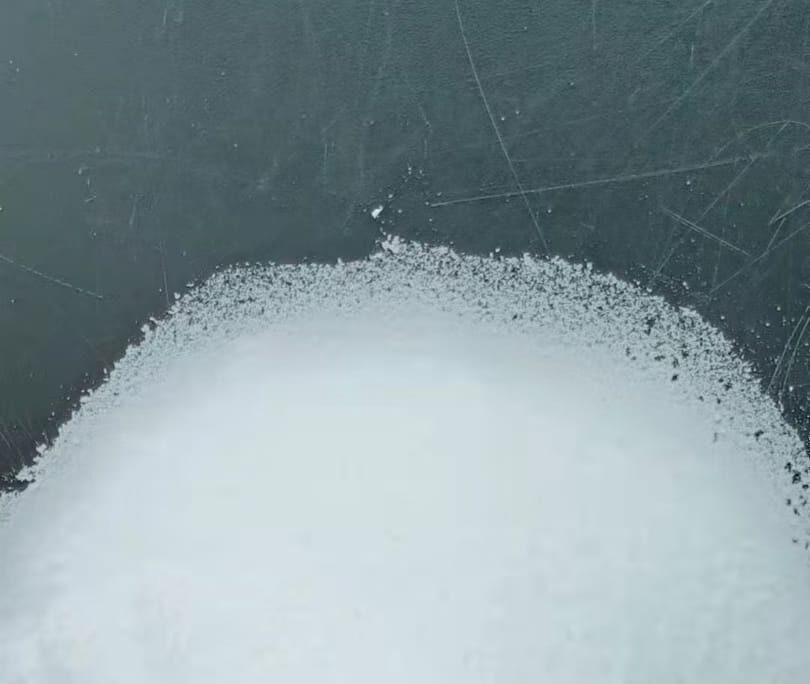
Potassium nitrate, also known as saltpeter, is a chemical compound with the formula KNO₃. It is a naturally occurring mineral that is often found in fertilizers, food preservatives, and, most importantly, in fireworks. Known for its oxidizing properties, potassium nitrate plays a critical role in the composition of fireworks.
Chemical Composition of Fireworks
Fireworks are composed of several key ingredients: fuel, oxidizer, binder, and coloring agents. The fuel is what burns to produce heat and light, while the oxidizer supplies the oxygen necessary for combustion. Binders hold the mixture together, and coloring agents add the vibrant hues that we see.
Role of Potassium Nitrate as an Oxidizer
In the world of pyrotechnics, potassium nitrate serves as an essential oxidizer. Oxidizers are substances that release oxygen to support the combustion of fuel. In fireworks, potassium nitrate breaks down to release oxygen when heated, facilitating the rapid burning of the fuel. This process is what creates the explosive power needed for the fireworks to launch into the sky.
How Fireworks Are Made

Creating fireworks is both an art and a science. The process begins with the careful measurement and mixing of ingredients. Here’s a simplified guide to how fireworks are typically made:
1. Mixing Ingredients
The first step in making fireworks is to mix the fuel and oxidizer. Potassium nitrate is combined with a fuel source, such as charcoal or sulfur, to form a powder. This mixture is the foundation of the firework’s explosive power.
2. Forming the Firework
The powder mixture is then packed into a shell or tube, along with other ingredients like binders and coloring agents. The shell is sealed, and a fuse is inserted to ignite the firework.
3. Adding Colors
To create different colors, metallic salts are added to the mixture. For example, copper compounds produce blue hues, while strontium compounds yield red colors. The precise combination of these chemicals determines the final appearance of the firework.
Potassium Nitrate in Fireworks
Potassium nitrate’s role in fireworks cannot be overstated. Its ability to release oxygen makes it indispensable in the creation of various pyrotechnic effects. Here are some specific uses of potassium nitrate in fireworks:
1. Launching Fireworks
The oxidizing power of potassium nitrate is crucial for launching fireworks into the sky. When ignited, the rapid release of oxygen facilitates a powerful reaction, propelling the firework to great heights.
2. Creating Explosions
Potassium nitrate is responsible for the explosive bursts that characterize fireworks. Supporting the combustion of fuel ensures that the firework explodes at the right moment, producing stunning visual and auditory effects.
3. Enhancing Colors
Potassium nitrate also plays a role in enhancing the intensity of colors in fireworks. Facilitating a more complete combustion of the coloring agents helps produce brighter and more vivid displays.
Safety Considerations in Pyrotechnics

While potassium nitrate is a key ingredient in fireworks, it is essential to handle it with care. Here are some safety tips for working with pyrotechnic chemicals:
1. Proper Storage
Potassium nitrate should be stored in a cool, dry place, away from flammable materials. Proper storage helps prevent accidental ignition and ensures the safety of those handling the chemicals.
2. Use Protective Gear
When working with fireworks, it’s important to wear protective gear, including gloves, goggles, and masks. This gear helps protect against chemical exposure and potential accidents.
3. Follow Regulations
Fireworks production and use are subject to strict regulations to ensure safety. Always adhere to local laws and guidelines when making or using fireworks.
4. Educate Yourself
Understanding the chemical properties and potential hazards of potassium nitrate and other pyrotechnic chemicals is crucial for safe handling. Educate yourself and others about the risks and best practices in pyrotechnics.
Alternative Uses of Potassium Nitrate
While potassium nitrate is best known for its role in fireworks, it has other applications as well. Some of these include:
1. Fertilizers
Potassium nitrate is a common ingredient in fertilizers, providing essential nutrients to plants. Its high solubility makes it ideal for use in agriculture.
2. Food Preservation
In the food industry, potassium nitrate is used as a preservative, particularly in cured meats. It helps inhibit the growth of bacteria, extending the shelf life of products.
3. Medical Applications
Potassium nitrate has been used in toothpaste to alleviate dental sensitivity. Its desensitizing properties help reduce discomfort in individuals with sensitive teeth.
Conclusion
Potassium nitrate is an essential component in the creation of fireworks, acting as a powerful oxidizer that facilitates combustion and enhances the visual spectacle. While its role in pyrotechnics is significant, potassium nitrate’s applications extend beyond fireworks, making it a versatile and valuable chemical compound.
Understanding the use and safety considerations of potassium nitrate in fireworks helps us appreciate the science behind these dazzling displays while ensuring that we enjoy them responsibly. Whether you’re a pyrotechnics enthusiast or simply a fan of fireworks, knowing the chemical magic behind the scenes adds a new layer of appreciation to these celebrations.
 English
 Arabic
 Spanish
 French