
Introduction
When it comes to maximizing crop yield and ensuring healthy plant growth, understanding the role of nutrients is crucial. Among these nutrients, potassium nitrate stands out as a versatile and efficient option for enhancing plant health. This article explores the effects of potassium nitrate on plant growth and its applications in agriculture.
What Is Potassium Nitrate?
Potassium nitrate (KNO₃) combines two vital nutrients—potassium and nitrate—both essential for plant development. Its high solubility and dual nutrient supply make it a popular, environmentally friendly fertilizer choice.

Importance of Potassium
Potassium regulates water balance, enzyme activation, and photosynthesis. It strengthens plants against pests and diseases, supports protein and starch synthesis, and improves drought tolerance.
Importance of Nitrate
Nitrate, a key form of nitrogen, drives amino acid and chlorophyll formation. It promotes vigorous growth, cell division, and lush green foliage while supporting beneficial soil microbial activity.
Key Benefits of Potassium Nitrate
Efficient Nutrient Uptake: Potassium improves nutrient transport; nitrate aids assimilation of other nutrients.
Enhanced Root Growth: Stronger roots improve water and nutrient absorption and increase resilience to stress.
Improved Photosynthesis: Boosts energy production, resulting in healthier, more vigorous plants.
Higher Yields and Quality: Increases both the quantity and quality of harvests, from better flavor to improved nutritional value.

Application Guidelines
Soil Testing
Conduct soil tests to identify nutrient deficiencies and adjust application rates accordingly. Regular testing also monitors pH and long-term soil health.
Methods of Application
Broadcasting: Evenly spread across soil surface.
Banding: Applied in concentrated rows near plants.
Fertigation: Dissolved in irrigation water for precise delivery.
Timing and Frequency
Apply during active growth stages—such as early spring or flowering—for best results. Adjust frequency based on crop needs, weather, and growth phases.
Crop-Specific Benefits
Fruits & Vegetables: Enhances size, flavor, and shelf life while improving disease resistance.
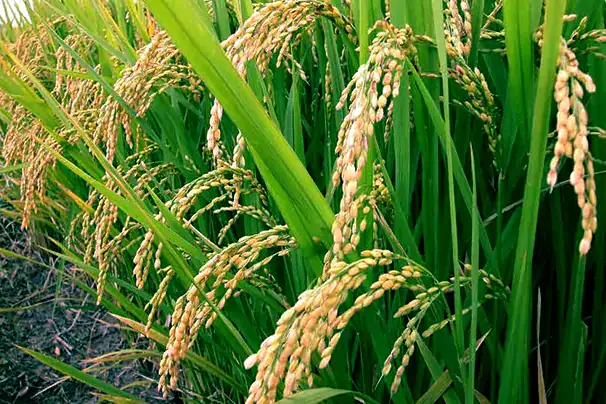
Cereals & Grains: Boosts grain filling, weight, and lodging resistance for higher yields.
Ornamental Plants: Promotes vibrant colors, robust growth, and extended flowering periods.
Environmental Considerations
Apply responsibly to prevent nutrient runoff and water pollution. Integrate potassium nitrate into broader nutrient management plans that include crop rotation and organic amendments.
Conclusion
Potassium nitrate is a powerful, sustainable fertilizer that enhances plant growth, improves yields, and supports soil health. By understanding its benefits and following proper application practices, farmers and gardeners can achieve healthier plants, more abundant harvests, and long-term agricultural sustainability.
 English
 Arabic
 Spanish
 French