
Potassium nitrate, commonly known as saltpeter or KNO3, is a chemical compound with a long history of usage in various applications, from food preservation to gunpowder production. While it serves many purposes, understanding its flammability and safety precautions is crucial. In this article, we will explore the nature of potassium nitrate, its flammability, and how to handle it safely.

Potassium nitrate is an inorganic compound composed of potassium, nitrogen, and oxygen. It appears as a white crystalline solid and is highly soluble in water. Its chemical formula is KNO3, and it acts as an oxidizing agent. This means that potassium nitrate can support combustion, but it’s important to note that it does not burn by itself.
Uses of Potassium Nitrate
Potassium nitrate is widely used in various industries. Its primary applications include:
- Fertilizers: They provide essential nutrients, especially nitrogen and potassium, to plants.
- Food Preservation: Historically used to cure meats, although less common today due to modern alternatives.
- Fireworks and Pyrotechnics: Acts as an oxidizer to produce vibrant colors.
- Gunpowder: A key component due to its oxidizing properties.
Is Potassium Nitrate Flammable?

When discussing the flammability of potassium nitrate, it’s vital to distinguish between an oxidizer and a fuel. Potassium nitrate itself is not flammable, meaning it does not ignite easily or burn on its own. However, it plays a significant role in combustion processes as an oxidizer.
Oxidizer vs. Fuel
- Oxidizer: A chemical that provides oxygen to support the combustion of other materials. Potassium nitrate releases oxygen when heated, which can intensify a fire.
- Fuel: A substance that burns when combined with an oxidizer. Examples include wood, gasoline, and other hydrocarbons.
In the presence of a fuel source, potassium nitrate can enhance the intensity and speed of burning. This characteristic makes it invaluable in applications like gunpowder and fireworks.
Potassium Nitrate Hazards
While potassium nitrate is not flammable on its own, it presents certain hazards due to its oxidizing nature. Understanding these risks is crucial for safe handling.
Fire Risk
- Supports Combustion: Potassium nitrate can make fires burn more intensely and spread faster.
- Decomposition: When heated, KNO3 decomposes to release oxygen, further fueling any nearby combustible materials.
Health Hazards
- Inhalation: Breathing in potassium nitrate dust can cause respiratory irritation.
- Skin Contact: Direct contact with the skin may lead to irritation or rash.
- Ingestion: Consuming large amounts can be harmful and should be avoided.
Handling Potassium Nitrate Safely

To safely work with potassium nitrate, it’s important to follow specific guidelines and precautions. Here are some key safety tips:
Storage
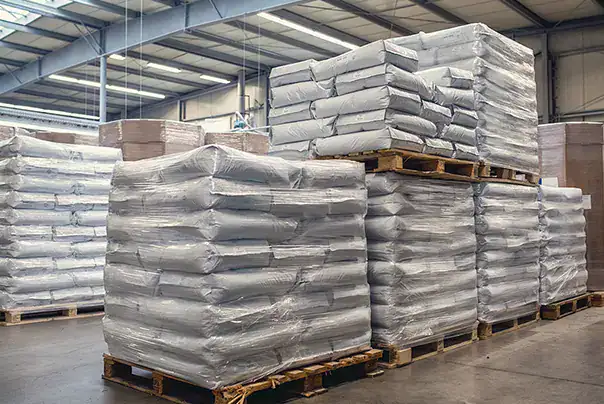
- Keep Dry: Store potassium nitrate in a cool, dry place to prevent moisture absorption.
- Separate from Fuels: Ensure it is stored away from any flammable materials to reduce fire risk.
- Use Sealed Containers: Opt for airtight containers to minimize exposure to air and moisture.
Personal Protective Equipment (PPE)
- Gloves: Wear protective gloves to prevent skin contact.
- Mask: Use a dust mask or respirator to avoid inhaling particles.
- Eye Protection: Safety goggles can protect against accidental splashes or dust.
Handling Procedures
- Ventilation: Work in a well-ventilated area to disperse any dust or fumes.
- Avoid Sparks: Keep away from open flames or sparks when handling potassium nitrate.
- Clean Spills Promptly: If spilled, clean up immediately and dispose of properly.
Potassium Nitrate in Pyrotechnics
In the world of fireworks and pyrotechnics, potassium nitrate plays a crucial role as an oxidizer. It helps create the beautiful colors and effects we see in displays. However, safety in this application is paramount to prevent accidents and ensure a successful show.
Formulating Pyrotechnic Compositions
Pyrotechnicians carefully measure and mix potassium nitrate with other ingredients to create specific effects. Proper formulation and adherence to safety standards are essential to prevent unintended reactions.
Professional Handling
Given the risks involved, only trained professionals should handle pyrotechnic materials. This ensures that safety protocols are followed and that the fireworks display is both spectacular and safe.
Conclusion
Potassium nitrate is a versatile compound with many applications, but understanding its flammability and potential hazards is critical. While it is not flammable on its own, its role as an oxidizer can enhance combustion in the presence of fuels. By following safety guidelines and handling procedures, we can utilize potassium nitrate effectively and safely in various industries.
Remember, whether you’re using it in agriculture, food preservation, or pyrotechnics, respect for the chemical’s properties and proper safety measures are key to preventing accidents and ensuring its beneficial use.
 English
 Arabic
 Spanish
 French