
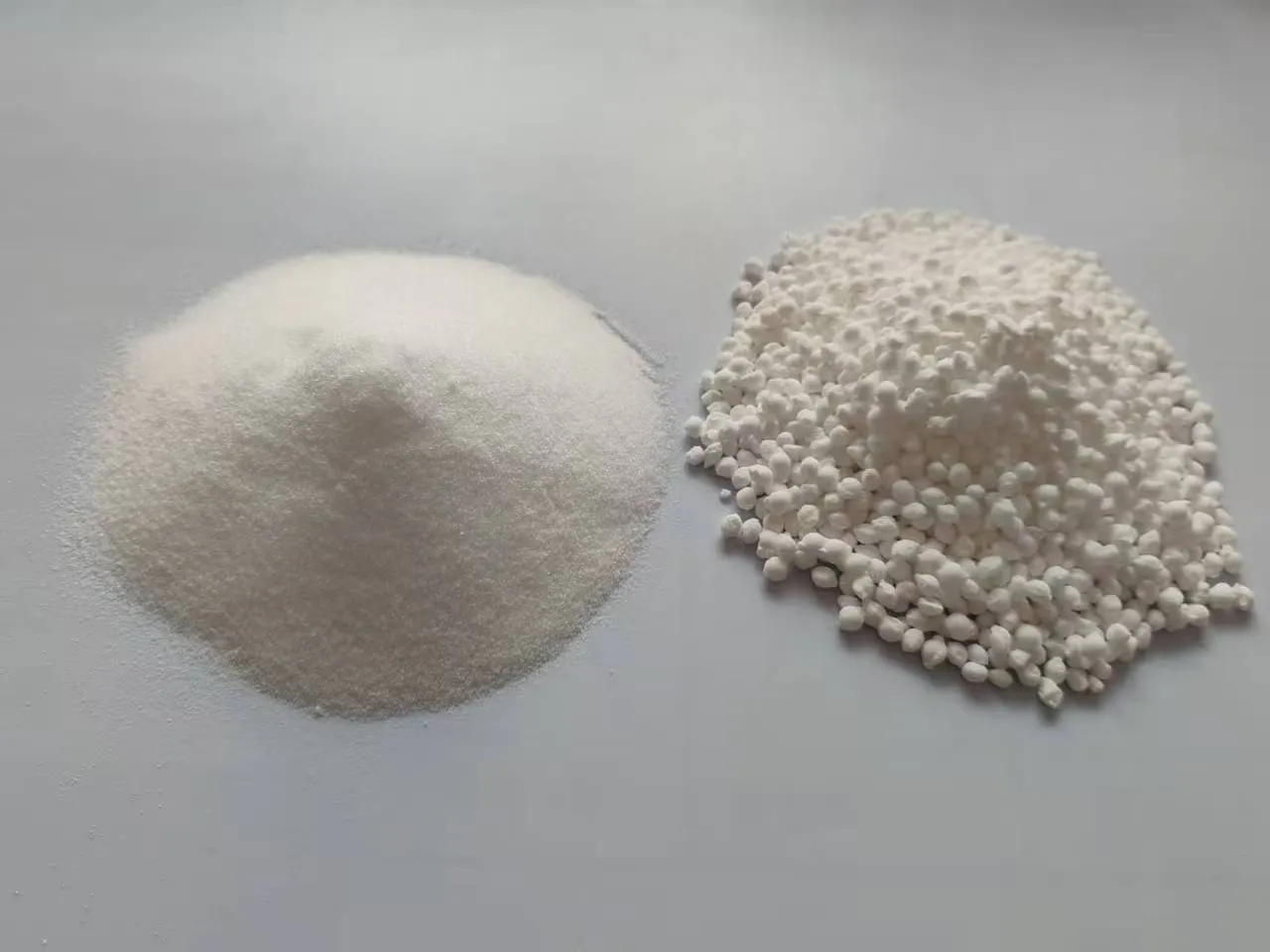
Potassium nitrate, often referred to by its chemical formula KNO3, is a versatile compound with a wide array of applications. From agriculture to food preservation, this compound plays a vital role in numerous industries. In this article, we will explore the production, applications, properties, and safety considerations of potassium nitrate.

Potassium nitrate is a chemical compound composed of potassium, nitrogen, and oxygen. It appears as a white crystalline solid and is commonly found in nature as a mineral called niter. Known for its solubility in water, potassium nitrate has long been utilized for various purposes due to its chemical properties.
Properties of Potassium Nitrate
Potassium nitrate is valued for its oxidizing properties, making it highly effective in applications that require combustion. It is non-flammable but supports combustion, which is why it is a key ingredient in gunpowder. Additionally, potassium nitrate is hygroscopic, meaning it can absorb moisture from the air.
Production of Potassium Nitrate
Potassium nitrate is typically produced through a reaction between potassium chloride and a nitrate source, such as sodium nitrate or ammonium nitrate. This chemical reaction yields potassium nitrate and a by-product, which varies depending on the nitrate source used.
Industrial Production

Large-scale production of potassium nitrate often involves the use of purification processes to ensure the end product is of high purity. The compound is then processed into various forms, including powder and granules, for different applications.
Applications of Potassium Nitrate
Potassium nitrate’s diverse properties make it useful in many fields. Here are some of the prominent applications:
Agricultural Uses
Potassium nitrate is widely used as a fertilizer, providing essential nutrients to plants. It supplies both potassium and nitrogen, two crucial elements that promote plant growth and improve crop yields. However, there are dangers of using potassium nitrate as a mass fertilizer. Overuse can lead to soil nutrient imbalance and environmental concerns.
Food Preservation
In the food industry, potassium nitrate acts as a preservative. It is commonly used in cured meats, such as ham and bacon, to prevent bacterial growth and maintain the pink color of the meat. This application is subject to regulation due to health considerations.
Fireworks and Pyrotechnics
Potassium nitrate is a key ingredient in the production of fireworks and pyrotechnics. Its ability to produce vibrant colors when burned makes it ideal for creating stunning visual displays.
Pharmaceuticals
In the pharmaceutical industry, potassium nitrate is used in toothpaste as a desensitizing agent. It helps reduce tooth sensitivity by blocking pathways that lead to the nerves inside the teeth.
Safety Considerations

While potassium nitrate is useful, it is important to handle it with care. Here are some safety considerations to keep in mind:
Handling and Storage
- Protective Gear: When handling potassium nitrate powder, wear protective gloves and goggles to prevent skin and eye irritation.
- Storage: Store potassium nitrate in a cool, dry place, away from incompatible substances and sources of ignition.
Environmental Impact
Improper use or disposal of potassium nitrate can lead to environmental issues. It is crucial to follow guidelines for safe disposal and avoid excessive use in agricultural settings to prevent soil and water contamination.
Potential Health Hazards
Although potassium nitrate is generally safe when used correctly, it can pose health risks if ingested in large quantities. It is important to adhere to recommended usage levels, especially in food applications.
Potassium Nitrate in Fertilizers
Potassium nitrate is a popular choice for fertilizers due to its dual role as a source of potassium and nitrogen. However, it’s essential to use it responsibly to avoid the dangers of using potassium nitrate as a mass fertilizer. Overapplication can lead to nutrient runoff, affecting water quality and aquatic ecosystems.
Advantages of Potassium Nitrate Fertilizer
- Balanced Nutrition: Provides both potassium and nitrogen, essential for plant growth.
- Solubility: Easily dissolves in water, making it readily available for plant uptake.
- Low Salt Index: Minimizes the risk of soil salinity issues.
Conclusion
Potassium nitrate is a multifaceted compound with applications ranging from agriculture to pyrotechnics. While it offers numerous benefits, it’s crucial to handle and apply it safely to minimize potential risks. By understanding the uses, properties, and safety considerations of potassium nitrate, industries and individuals can harness its potential effectively and responsibly. Whether you are using it as a fertilizer, preservative, or in fireworks, potassium nitrate remains a valuable tool when used with care.
 English
 Arabic
 Spanish
 French