
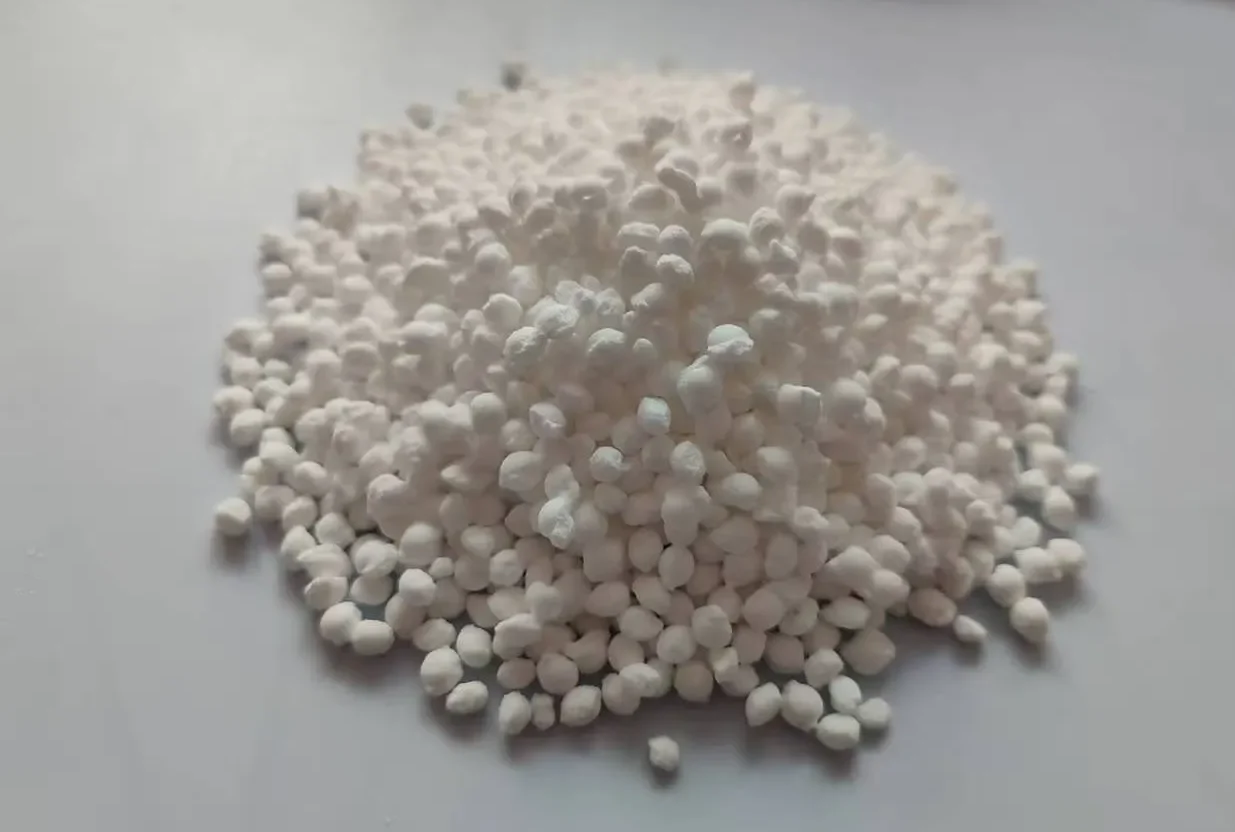
Separating potassium nitrate (KNO3), commonly known as saltpeter, from a mixture containing sand can seem like a daunting task. However, with a fundamental understanding of crystallization principles and the right laboratory techniques, it becomes manageable. This article will guide you through the process of potassium nitrate extraction and purification, emphasizing the importance of laboratory safety and legal considerations.
Understanding Recrystallization
Recrystallization is a widely used technique in chemistry to purify chemicals. The concept revolves around dissolving a solute in a solvent at a high temperature and then cooling the solution to allow the pure solute to crystallize out, leaving impurities behind. When separating potassium nitrate from sand, recrystallization is an effective method due to its reliance on solubility differences.
The Principles of Crystallization
Crystallization principles are straightforward. The solubility of a substance in a solvent typically increases with temperature. By manipulating temperature, you can dissolve more solute than usual, and then, by cooling the solution, encourage the formation of pure crystals. This technique is key to potassium nitrate purification.
The Process of Potassium Nitrate Extraction
Materials Needed
To begin the potassium nitrate extraction process, gather the following materials:
- A mixture of potassium nitrate and sand
- Hot water
- A heat source
- A container for heating
- A funnel and filter paper
- A separate container for crystallization
Step-by-Step Procedure
1. Dissolving the Potassium Nitrate
Start by placing your mixture of potassium nitrate and sand into a heat-resistant container. Add enough hot water to cover the mixture. Gently heat the container, stirring occasionally, until the potassium nitrate dissolves completely in the water. Sand, being insoluble, will remain at the bottom of the container.
2. Filtration

Using a funnel lined with filter paper, carefully pour the solution into another container, leaving the sand behind. This step is crucial in separating the dissolved potassium nitrate from the sand.
3. Crystallization
Allow the filtered solution to cool slowly. As the temperature decreases, potassium nitrate crystals will begin to form. For better results, place the solution in a refrigerator to enhance crystal formation.
4. Collecting the Crystals
Once crystallization is complete, use a second round of filtration to collect the potassium nitrate crystals. Rinse them with a small amount of cold water to remove any remaining impurities.
Potassium Nitrate Purification
To achieve high purity, repeat the recrystallization process. Dissolve the collected crystals in hot water once more, filter, and allow to cool. This additional step helps ensure the potassium nitrate is free from impurities.
Laboratory Safety and Legal Considerations
When handling chemicals and performing laboratory procedures, safety should always be a priority. Here are some key safety tips:
- Wear protective gear: Always use gloves, goggles, and a lab coat to protect yourself from chemical exposure.
- Work in a well-ventilated area: Ensure the area is well-ventilated to avoid inhaling any fumes.
- Handle heat sources with caution: Be careful when using Bunsen burners or hot plates to avoid burns or accidents.
Legal and Safety Considerations

Potassium nitrate is a chemical that has legitimate uses but can also be subject to legal restrictions due to its potential misuse. It’s crucial to be aware of and comply with all local regulations regarding the handling and use of potassium nitrate. Always ensure that your activities are legal and safe.
Non-Actionable Guidance
This guide provides educational information about the potassium nitrate separation process and is intended for informational purposes only. It does not constitute a recommendation for any specific use or application outside of a controlled laboratory environment.
Conclusion
Separating potassium nitrate crystals from sand can be accomplished effectively through the process of recrystallization. By leveraging the principles of crystallization and proper laboratory techniques, you can purify potassium nitrate safely. Always prioritize laboratory safety and remain informed about legal considerations when handling chemicals. With these guidelines, you can navigate the process with confidence and precision.
 English
 Arabic
 Spanish
 French