
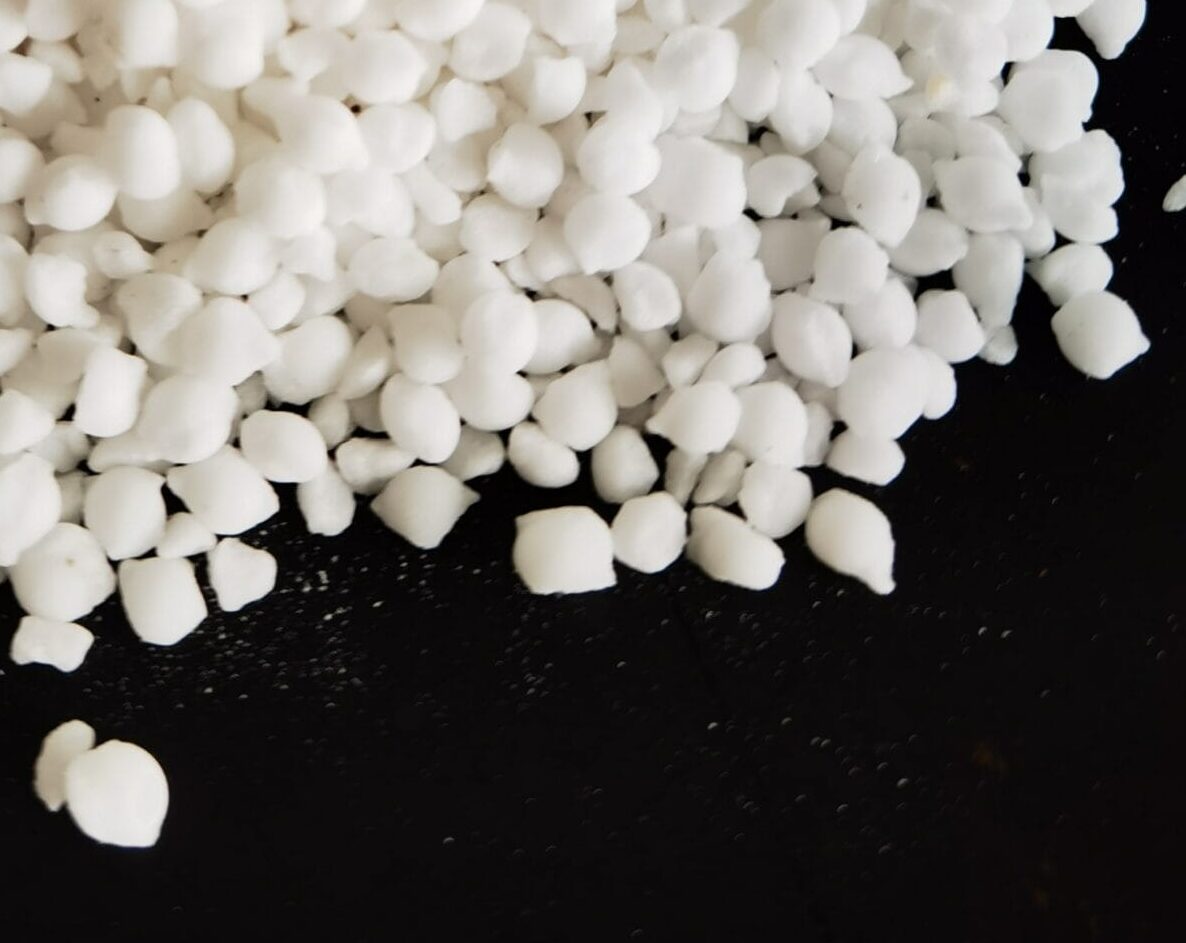
When you hear the term “potassium nitrate,” you might think of its use in fertilizers or food preservation. However, potassium nitrate also plays a crucial role in combustion reactions, particularly in pyrotechnics and homemade rockets. In this article, we’ll delve into the chemistry behind potassium nitrate combustion, its reactions with sugar, and the safety measures you should take when working with this potent oxidizer.

Potassium nitrate (KNO3) is a chemical compound made up of potassium, nitrogen, and oxygen. It is commonly referred to as saltpeter and has been used for centuries in various applications, from gunpowder to fertilizers. As an oxidizer, potassium nitrate provides the oxygen necessary for combustion, making it a key ingredient in many pyrotechnic formulations.
The Role of Potassium Nitrate in Combustion
In any combustion reaction, an oxidizer is required to sustain the fire by providing the oxygen needed to keep the fuel burning. Potassium nitrate fulfills this role perfectly. When heated, it decomposes to release oxygen, which then reacts with a fuel source, like sugar, to produce heat, light, and gas.
The Potassium Nitrate-Sugar Reaction

One of the most well-known reactions involving potassium nitrate is its combination with sugar. This mixture is popular among hobbyists for creating simple rocket propellants or smoke bombs. But how does this reaction work, and what makes it so effective?
The Chemistry Behind the Reaction
The reaction between potassium nitrate and sugar is a classic example of an oxidizer-fuel combustion process. Here’s what happens in simple terms:
- Oxidation-Reduction Reaction: Potassium nitrate serves as the oxidizer, while sugar acts as the fuel. The sugar is oxidized, meaning it loses electrons, while the potassium nitrate is reduced, gaining electrons.
- Heat and Gas Production: As the reaction proceeds, it releases a significant amount of heat and produces gases like carbon dioxide and nitrogen. These gases expand rapidly, creating pressure that can be harnessed for propulsion in rockets.
- Visible Flame and Smoke: The intense heat generated by the reaction produces a visible flame and smoke, characteristic of pyrotechnic displays.
Practical Applications
The potassium nitrate-sugar reaction is not just for show. It has practical applications in model rocketry and educational demonstrations. However, it’s crucial to understand the risks and manage them appropriately.
Safety Considerations in Potassium Nitrate Combustion

Working with potassium nitrate and sugar involves certain risks, and safety should always be a top priority. Here are some essential safety tips:
Handle with Care
- Wear Protective Gear: Always wear safety goggles, gloves, and a lab coat to protect yourself from accidental exposure to chemicals and heat.
- Work in a Controlled Environment: Conduct experiments in a well-ventilated area, preferably outdoors or under a fume hood, to avoid inhaling toxic fumes.
- Store Properly: Keep potassium nitrate and sugar in separate, labeled containers away from moisture and open flames.
Understand the Hazards
- Risk of Explosion: The mixture can be highly explosive under certain conditions. Avoid using metal containers or implements that can generate sparks.
- Heat Sensitivity: Both potassium nitrate and sugar are sensitive to heat. Keep them away from direct sunlight and sources of heat when not in use.
Pyrotechnic Hazards and Precautions
Pyrotechnics, by nature, involve controlled explosions and combustion. Here’s what you need to know about the hazards and how to minimize them:
Hazard Identification
- Fire Hazard: The combustion process can lead to unintended fires if not properly controlled.
- Toxic Fumes: Burning potassium nitrate releases gases that can be harmful if inhaled over long periods.
Precautionary Measures
- Emergency Preparedness: Have a fire extinguisher and first aid kit readily available when working with pyrotechnic materials.
- Proper Disposal: Dispose of any unused or spent materials according to local regulations to prevent environmental contamination.
Exploring Further: Combustion Chemistry
For those interested in the deeper chemistry of combustion, understanding the role of oxidizers like potassium nitrate can open doors to fascinating experiments and applications. Here are some avenues to explore:
Advanced Combustion Experiments
- Varying Ratios: Experiment with different ratios of potassium nitrate to sugar to observe variations in reaction intensity and duration.
- Alternative Fuels: Try using other fuels in combination with potassium nitrate to see how the reaction differs.
Educational Demonstrations
- Classroom Experiments: Controlled demonstrations can provide students with a hands-on understanding of combustion chemistry and safety protocols.
- Science Fairs: Showcase the reaction in a safe, educational setting to engage and inspire budding chemists.
Conclusion
The chemistry of potassium nitrate combustion is both intriguing and practical, offering insights into the fundamental processes that power everything from simple fireworks to advanced rocket propulsion. While the potassium nitrate-sugar reaction is a captivating example of combustion chemistry, it’s crucial to approach it with a strong emphasis on safety and proper handling.
By understanding the principles behind these reactions and respecting the potential hazards, you can safely explore the exciting world of combustion chemistry. Whether you’re a student, hobbyist, or educator, potassium nitrate combustion provides a window into the powerful interactions between oxidizers and fuels.
 English
 Arabic
 Spanish
 French