
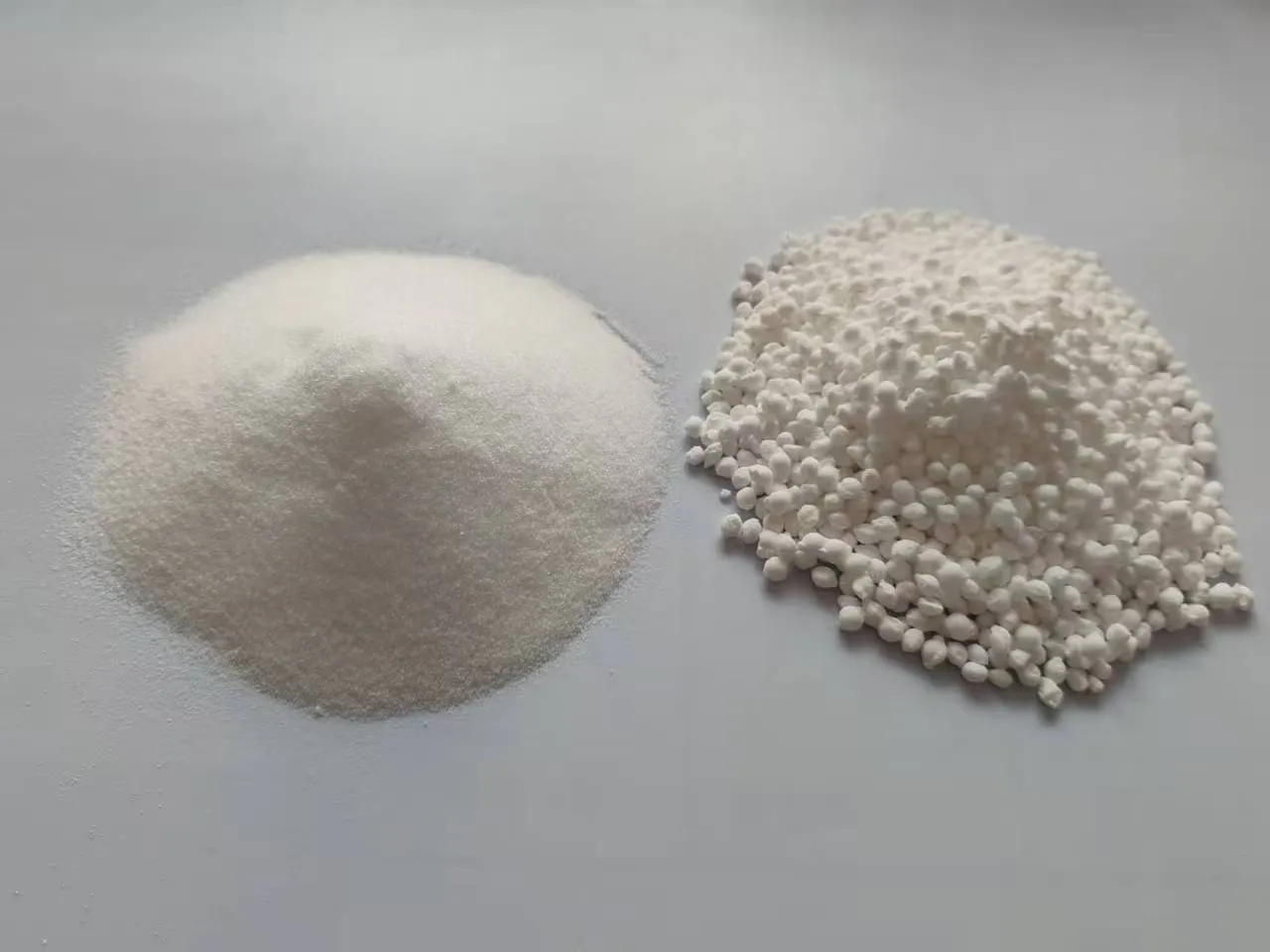
Potassium nitrate, often represented by the chemical formula KNO3, is a versatile compound used in agriculture, industry, and food preservation. Available in both crystalline and powdered forms, it serves different purposes depending on its physical state. Understanding the differences between these forms can help you choose the right one for your needs.

Chemical Grade and Agricultural Uses
Chemical-Grade KNO3
Purified potassium nitrate is typically used in laboratories and industrial applications. Selecting the appropriate grade is important, as impurities can affect performance.
Fertilizer Applications
In agriculture, this compound is valued for supplying essential potassium and nitrogen, promoting healthy plant growth. Its solubility and nutrient content make it a reliable choice for crops.
Crystals vs. Powder
The physical form of KNO3 greatly influences its behavior and application.

Crystalline Form
Crystals are larger and more granular, often used when precise measurements or controlled reactions are required. Their slower dissolution rate is useful for applications needing gradual release in liquids.
Crystalline Properties:
Size and Shape: Larger, well-defined crystals allow for controlled reactions.
Purity: Typically higher, making them suitable for experiments or chemical processes.
Dissolution Rate: Dissolves slowly, beneficial in applications requiring gradual release.
Powdered Form
The fine powder dissolves quickly, making it ideal for applications that require rapid reactions or even distribution.
Powder Uses:
Fertilizers: Quickly supplies nutrients to plants.
Pyrotechnics: Ensures fast, consistent reactions in fireworks.
Food Preservation: Sometimes used to maintain color and inhibit bacterial growth in cured meats.
Key Benefits
Potassium nitrate offers several advantages across its applications:
Nutrient Supply: Provides essential potassium and nitrogen for plant growth.
Oxidizing Agent: Facilitates chemical reactions in pyrotechnics and industrial processes.
Food Preservation: Maintains quality and safety in cured meats.
Versatility: Available in different forms to suit specific needs.
Choosing the Right Form
Consider these factors when selecting crystals or powder:
Application: Decide if it’s for agriculture, lab work, or food preservation.
Dissolution Rate: Crystals dissolve slowly, powder dissolves quickly.
Purity Requirements: Use crystals for applications needing high purity.
Handling and Measurement: Powder is easier for large-scale or fast applications; crystals are ideal for precise measurements.
Practical Examples
Agriculture: Powdered form is preferred for large-scale fertilization due to fast dissolution.
Laboratory Use: Crystals are ideal for experiments requiring accuracy and high purity.
Pyrotechnics: Fine powder ensures rapid and even reactions.
Conclusion
Choosing the right form of potassium nitrate depends on your application, desired dissolution rate, and purity requirements. By understanding the differences between crystals and powder, you can make informed decisions and maximize the benefits of this versatile compound.
 English
 Arabic
 Spanish
 French