
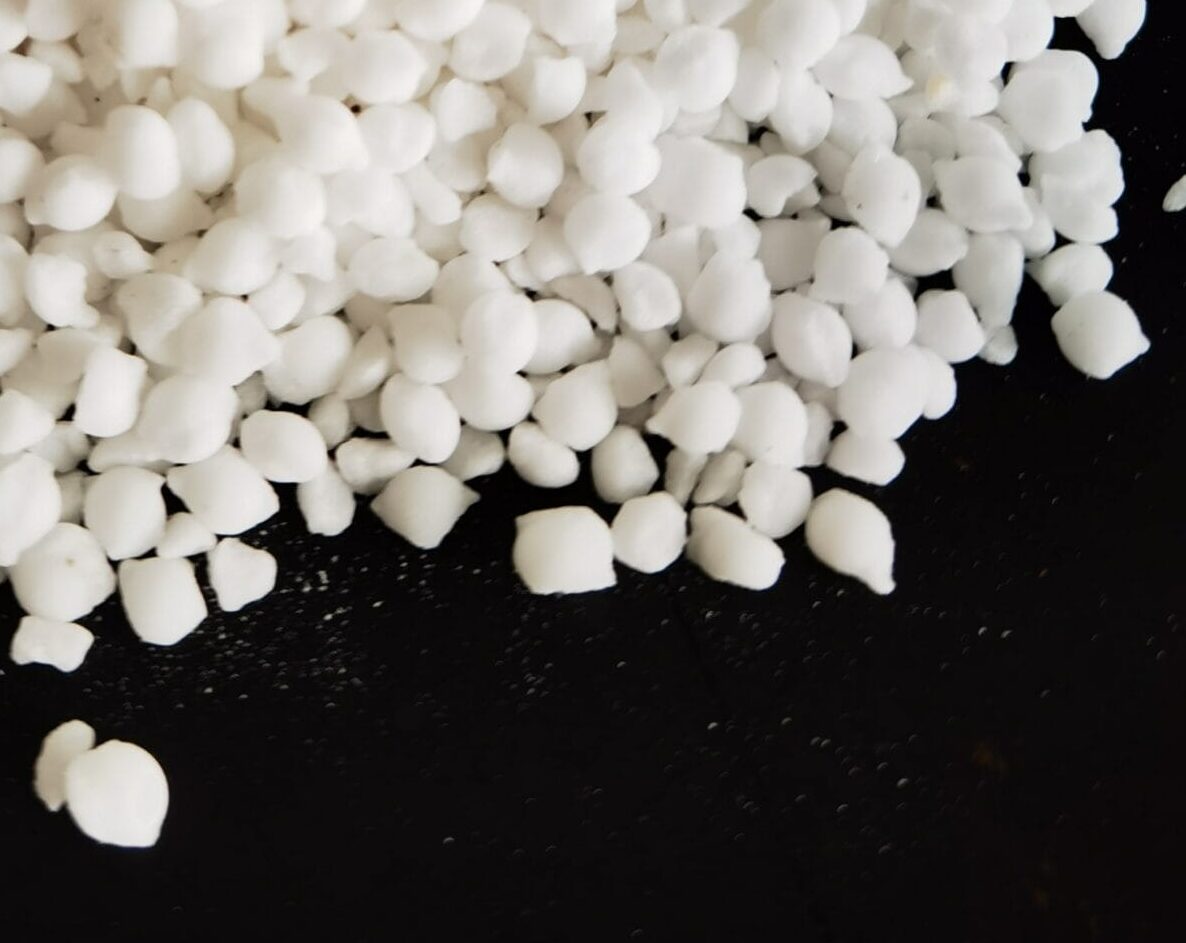
Potassium nitrate, known chemically as KNO3, is a compound with a fascinating range of uses and properties. This versatile substance is a staple ingredient in several industries, being a common component in fertilizers, food preservatives, and even fireworks. Its importance extends beyond everyday uses, drawing interest for its role in historical and modern pyrotechnics. But what makes potassium nitrate particularly intriguing is its explosive potential. Its ability to act as an oxidizer in various chemical reactions underpins both its utility and risk. In this article, we will explore the properties that make KNO3 both useful and potentially hazardous, providing insight into its applications and the precautions necessary for its safe use.

What is Potassium Nitrate?
Potassium nitrate is a chemical compound composed of potassium (K), nitrogen (N), and oxygen (O). It is often found in nature as the mineral niter, which historically was collected for use in gunpowder and other applications. This compound is highly soluble in water, enhancing its utility in various applications, from agriculture to food preservation. The solubility of KNO3 allows it to be easily absorbed by plants and integrated into food products. Its chemical formula, KNO3, indicates that each molecule consists of one potassium atom, one nitrogen atom, and three oxygen atoms, reflecting its role in providing essential nutrients and oxidative properties.
Common Uses of Potassium Nitrate
- Fertilizers: KNO3 is a popular ingredient in fertilizers, providing essential nutrients for plant growth. It supplies potassium, a critical nutrient that supports various plant functions, including water regulation and enzyme activation. Its nitrogen content also plays a vital role in protein synthesis and growth.
- Food Preservation: It is used in curing meats, helping to maintain color and prevent spoilage. The nitrate ions in KNO3 inhibit the growth of bacteria, including those that cause botulism, making it invaluable in the food industry.
- Fireworks and Pyrotechnics: Potassium nitrate acts as an oxidizer, which is essential in producing the bright colors and explosive effects in fireworks. The oxygen it releases supports combustion, allowing for the vibrant displays often seen during celebrations.
- Black Powder: Historically, KNO3 is a key ingredient in black powder, a type of gunpowder used in firearms and explosives. Its ability to sustain rapid combustion made it a cornerstone of early military and mining applications, revolutionizing these fields.

The Chemistry of Potassium Nitrate
To understand the explosive potential of potassium nitrate, we need to delve into its chemical properties. The compound’s role as an oxidizer is central to its function in explosives and pyrotechnics. The chemistry of KNO3 reveals how it interacts with other substances to produce energetic reactions.
Oxidizer Properties
Potassium nitrate is a strong oxidizing agent. This means it readily donates oxygen to other substances, a process that can lead to combustion. As an oxidizer, KNO3 supports the burning of fuels, making it a critical component in pyrotechnics and black powder. In these applications, the release of oxygen enhances the combustion of the fuel, leading to the production of heat, light, and gas.
Thermal Decomposition of KNO3
When potassium nitrate is heated, it undergoes thermal decomposition. This process breaks down the compound into its constituent parts, releasing oxygen in the process. The equation for this reaction is:
2KNO3→2KNO2+O2
The release of oxygen enhances combustion, contributing to the explosive potential of mixtures containing KNO3. This decomposition is pivotal in the use of KNO3 in explosives, as it provides the oxygen necessary for rapid combustion.
Is Potassium Nitrate Explosive?
While potassium nitrate itself is not explosive, it can contribute to explosive reactions when combined with fuels. The role of KNO3 in explosive mixtures is primarily that of an enabler, providing the oxygen needed for combustion. In the presence of a fuel source, the oxygen released during thermal decomposition can lead to rapid combustion, resulting in an explosion.
Potassium Nitrate in Black Powder
Black powder, one of the earliest explosives, consists of potassium nitrate, charcoal (carbon), and sulfur. The KNO3 serves as the oxidizer, while the charcoal and sulfur act as fuels. When ignited, the mixture burns rapidly, producing gases that expand and create an explosive force. This reaction forms the basis for the propellant effect in firearms and the blasting power in mining.
Combustion with Other Fuels
Aside from black powder, potassium nitrate can enhance the combustion of other fuels. For instance, in pyrotechnics, KNO3 is combined with various substances to produce colorful explosions and effects. The oxidizing properties of potassium nitrate make it invaluable in these applications, where precise control over combustion is necessary to achieve desired visual effects.

Potassium Nitrate Hazards and Safety
While potassium nitrate has many beneficial uses, it also presents certain hazards, particularly in its role as an oxidizer. Its potential to contribute to explosive reactions requires careful handling and storage.
Explosion Risk
The primary hazard associated with potassium nitrate is its potential to contribute to explosions. When mixed with combustible materials, especially in confined spaces, KNO3 can lead to violent reactions. It is crucial to handle it with care and store it away from flammable substances. Understanding the conditions that can lead to unintended reactions is essential for ensuring safety.
Health Hazards
Potassium nitrate is generally safe to handle in small quantities. However, exposure to large amounts can irritate the skin, eyes, and respiratory system. Ingestion of significant quantities may lead to gastrointestinal distress. These health risks underline the importance of proper handling and protective measures when working with KNO3.
Safety Precautions
- Storage: Store potassium nitrate in a cool, dry place, away from flammable materials and sources of heat. Proper storage minimizes the risk of accidental ignition and extends the compound’s shelf life.
- Handling: Use appropriate personal protective equipment, such as gloves and goggles, when handling KNO3. These precautions help prevent direct contact with the skin and eyes, reducing the risk of irritation.
- Disposal: Dispose of potassium nitrate according to local regulations, ensuring it does not contaminate the environment. Safe disposal practices prevent environmental damage and potential harm to wildlife.
Conclusion
Potassium nitrate is a versatile compound with both beneficial uses and potential hazards. Understanding its properties, particularly its role as an oxidizer, is crucial for safely utilizing its explosive potential. Whether in agriculture, food preservation, or pyrotechnics, respecting the power of KNO3 ensures its safe and effective application. By being aware of the risks and following safety guidelines, we can harness the explosive potential of potassium nitrate responsibly. This knowledge not only safeguards us but also enhances our appreciation for the science behind this remarkable compound.
The dual nature of potassium nitrate as both a valuable industrial resource and a potential hazard makes it a subject of great interest and care. Through informed handling and application, we can continue to benefit from its properties while minimizing risks to health and safety.
 English
 Arabic
 Spanish
 French