
Creating a smoke bomb using potassium nitrate is a fascinating project that combines basic chemistry with a bit of creativity. Whether you are interested in a scientific experiment, want to produce a visual effect, or simply enjoy the project, this guide will walk you through the process safely and effectively.
In this article, we will explore the ingredients, process, and safety precautions involved in making a smoke bomb using potassium nitrate.
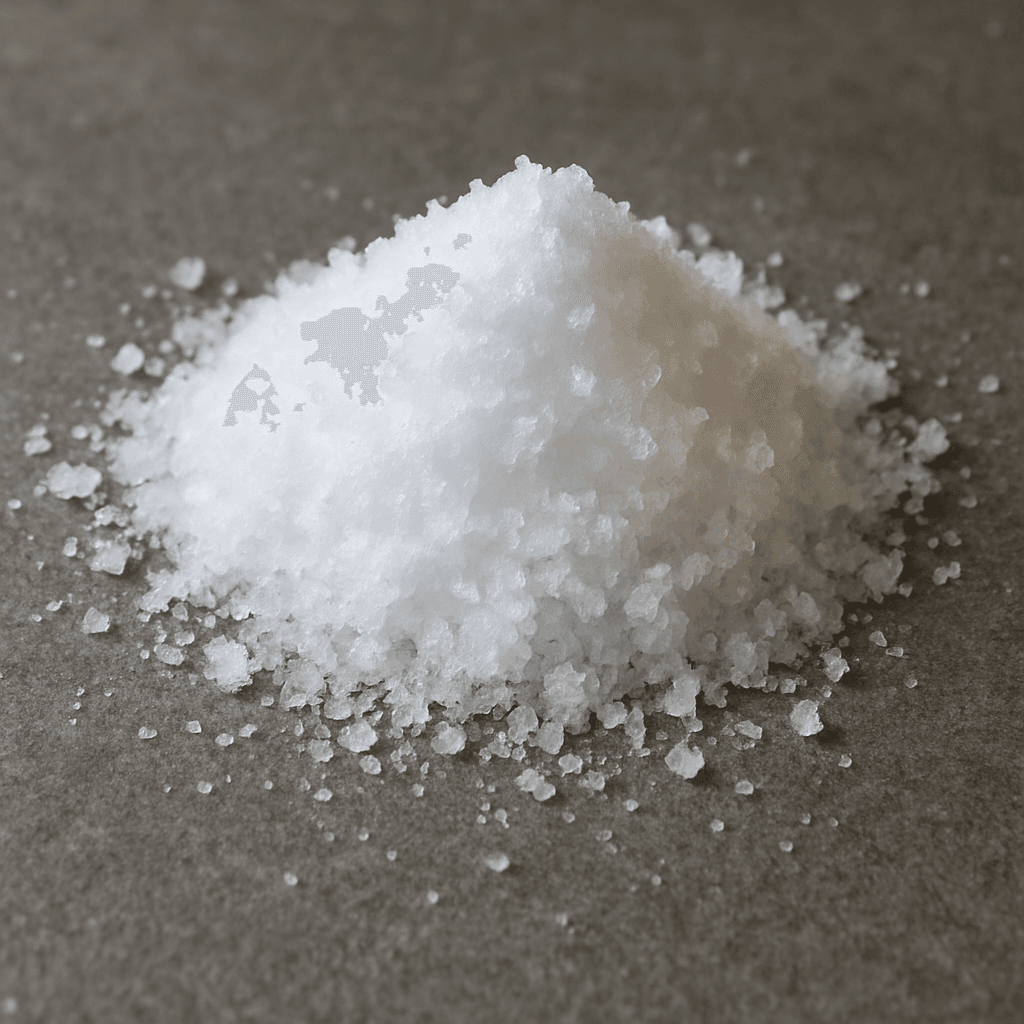
Potassium nitrate, also known as saltpeter, is a chemical compound commonly used in fertilizers, food preservation, and pyrotechnics. Its chemical formula is KNO3, and it serves as an oxidizing agent, making it essential for combustion reactions. In the context of smoke bombs, potassium nitrate facilitates the rapid decomposition of fuel, producing a thick, colored smoke.

Uses of Potassium Nitrate
Potassium nitrate has various applications beyond smoke bombs. It is used in:
- Fertilizers: As a source of nitrogen, they promote plant growth.
- Food Preservation: Historically, it was used to cure meats.
- Fireworks: They help in creating colorful explosions.
- Toothpaste: Some formulas use it to reduce tooth sensitivity.
Ingredients for a Potassium Nitrate Smoke Bomb
To create a smoke bomb using potassium nitrate, you’ll need the following ingredients:
- Potassium Nitrate (KNO3): The main oxidizing agent.
- Sugar: Acts as a fuel for the reaction.
- Baking Soda: Regulates the reaction rate.
- Food Coloring (optional): Adds color to the smoke.
- Paper or Toilet Roll: To contain the mixture.
- Tape or Glue: For securing the container.
- Aluminum Foil: To cover the open ends and direct the smoke.
Equipment Needed
- Mixing Bowl
- Measuring Cups
- Spoon or Spatula
- Heat Source (such as a stove or hot plate)
How to Make a Smoke Bomb Using Potassium Nitrate
Step 1: Prepare the Ingredients
Measure out the following quantities:
- 60g of potassium nitrate
- 40g of sugar
- 1 teaspoon of baking soda
- A few drops of food coloring (optional)
Step 2: Mix the Ingredients
- In a mixing bowl, combine the potassium nitrate and sugar.
- Stir the mixture until it is well-blended.
- Add the baking soda and mix again.
- If you are using food coloring, add a few drops and stir until the color is evenly distributed.
Step 3: Heat the Mixture
- Transfer the mixture to a pan and place it over a low heat source.
- Stir continuously to prevent burning.
- The sugar will melt and caramelize, turning the mixture into a thick paste.
- Once it becomes a consistent paste, remove it from the heat.
Step 4: Mold the Smoke Bomb
- Fill a paper or toilet roll with the paste, leaving a small space at each end.
- Seal one end with tape or glue to prevent leakage.
- Cover the other end with aluminum foil, leaving a small opening to allow the smoke to escape.
Step 5: Let it cool
Allow the smoke bomb to cool and solidify completely before using it.
How Does the Reaction Work?
The potassium nitrate smoke reaction is a classic example of a combustion process. When heated, potassium nitrate decomposes to release oxygen, which reacts with the sugar, producing carbon dioxide, water vapor, and a visible cloud of smoke. The baking soda helps regulate the reaction, ensuring it doesn’t proceed too quickly.
Safety Precautions

- Wear Protective Gear: Use gloves and goggles to protect your skin and eyes.
- Ventilation: Conduct this experiment outdoors or in a well-ventilated area to avoid inhaling smoke.
- Fire Safety: Keep a fire extinguisher nearby in case of an accidental fire.
- Supervision: If you’re a minor, ensure adult supervision throughout the process.
- Dispose Properly: Dispose of any leftover materials responsibly, following local regulations.
Applications of Smoke Bombs
Smoke bombs are not just for fun; they have practical applications as well:
- Photography and Filmmaking: Create dramatic smoke effects for visual projects.
- Emergency Signaling: Use as a distress signal in survival situations.
- Paintball and Airsoft: Enhance gameplay with smoke cover.
Conclusion
Creating a smoke bomb using potassium nitrate is an engaging and educational activity that offers insight into basic chemical reactions. Whether for academic purposes or creative projects, understanding the composition of potassium nitrate smoke and the reaction process enhances both the enjoyment and safety of your experiments.
Remember, always prioritize safety and enjoy the fascinating world of chemistry responsibly.
 English
 Arabic
 Spanish
 French