
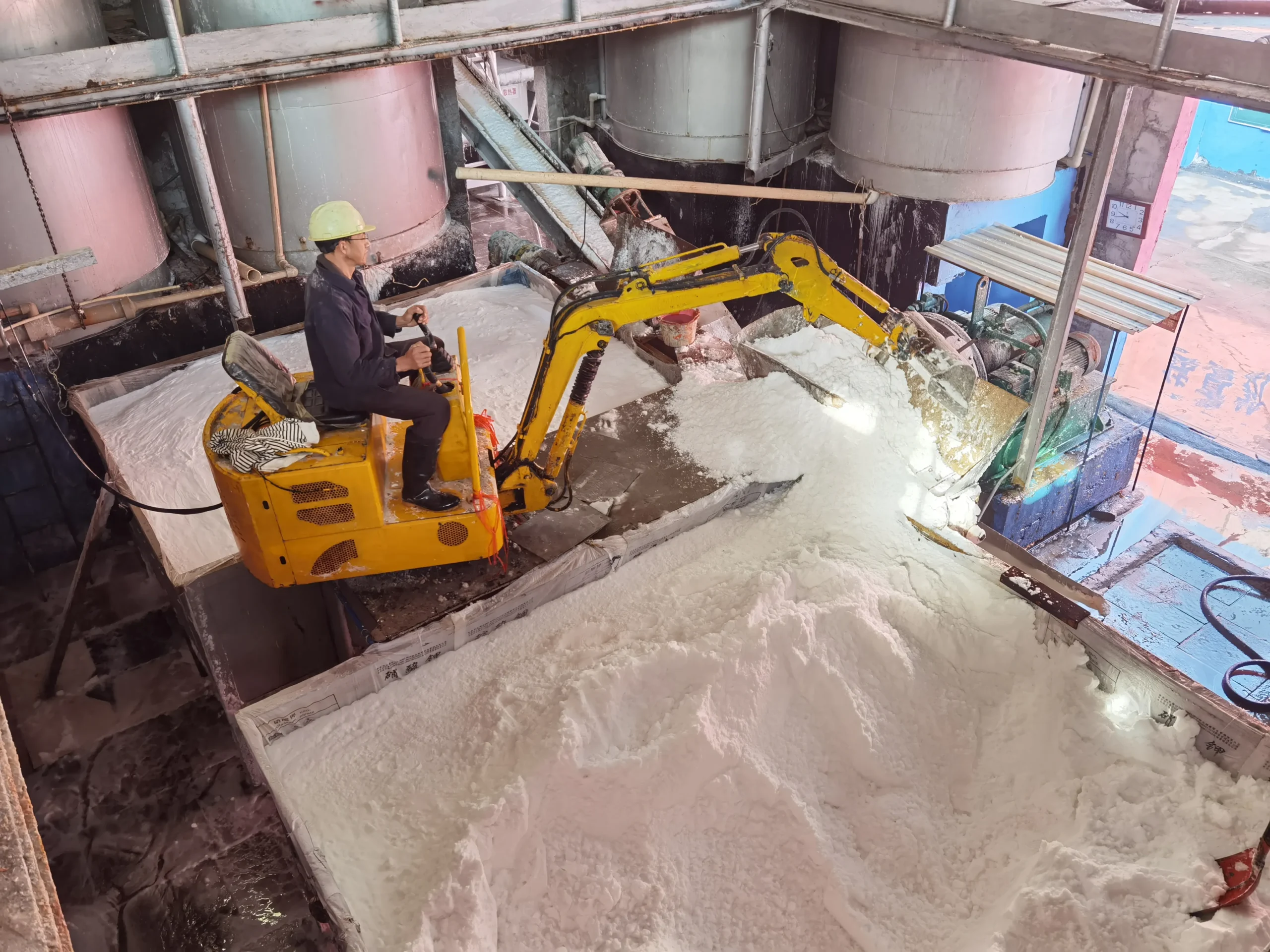
Potassium nitrate, a key ingredient in fertilizers, fireworks, and food preservation, plays a vital role in various industries. Understanding its production process is crucial for industries that rely on this compound. In this article, we will explore how potassium nitrate is produced in industrial settings, with a focus on the methods and technologies used in factories around the world, including those in China.

Potassium nitrate, often referred to as saltpeter, is a chemical compound with the formula KNO₃. It is a crystalline salt that occurs naturally in mineral deposits, but it is also produced synthetically for commercial purposes. Its primary uses include serving as a fertilizer component, a food preservative, and a key ingredient in gunpowder.
The Importance of Potassium Nitrate Production
Potassium nitrate is essential in agriculture as it provides plants with potassium and nitrogen, two vital nutrients that enhance plant growth and increase crop yields. In the food industry, it acts as a preservative, extending the shelf life of various products. Its role in pyrotechnics is also significant, as it is a main component in fireworks.
The Production Process of Potassium Nitrate

Raw Material Procurement
The production of potassium nitrate begins with the procurement of raw materials. The primary raw materials include potassium chloride (KCl) and nitric acid (HNO₃). These materials are sourced from various suppliers, often requiring strict quality control to ensure the final product’s purity and effectiveness.
Reaction and Synthesis
In a potassium nitrate production factory, the synthesis process typically involves a double displacement reaction. This reaction occurs when potassium chloride reacts with nitric acid, producing potassium nitrate and hydrochloric acid as by-products. The chemical equation for this reaction is:
KCl+HNO3→KNO3+HCl
This reaction takes place in large reactors under controlled conditions to ensure maximum yield and purity. The temperature, pressure, and concentration of reactants are carefully monitored throughout the process.
Filtration and Purification
Once the reaction is complete, the mixture is filtered to separate the solid potassium nitrate from the liquid by-products. The filtration process is crucial to remove impurities and ensure the product’s quality. After filtration, the potassium nitrate crystals undergo further purification steps, which may include washing and recrystallization to achieve the desired purity levels.
Drying and Packaging
After purification, the potassium nitrate crystals are dried to remove any remaining moisture. The drying process is typically carried out in industrial dryers, ensuring the crystals are ready for packaging. Once dried, the potassium nitrate is packaged in bags or containers, ready for distribution to various industries.
Potassium Nitrate Factories Around the World

Industrial Potassium Nitrate Factories
Industrial potassium nitrate factories are equipped with advanced technologies and machinery to ensure efficient and high-quality production. These factories are often located near sources of raw materials to minimize transportation costs and enhance production efficiency.
Potassium Nitrate Factories in China
China is one of the leading producers of potassium nitrate globally, with numerous factories dedicated to its production. These factories adhere to strict quality and environmental standards, ensuring the production of high-quality potassium nitrate. The presence of abundant raw materials and advanced manufacturing technologies contributes to China’s significant role in the global potassium nitrate market.
Potassium Nitrate Manufacturing Plants
Potassium nitrate manufacturing plants are designed to optimize production processes and minimize waste. These plants incorporate state-of-the-art equipment and technology to ensure the efficient production of potassium nitrate. Automation and computer-controlled systems play a crucial role in enhancing the overall production process.
Environmental and Safety Considerations
Potassium nitrate production involves several environmental and safety considerations. Factories must adhere to strict regulations to minimize the release of harmful by-products and ensure worker safety. The use of closed systems and advanced filtration technologies helps in reducing emissions and protecting the environment.
The Future of Potassium Nitrate Production
As industries continue to grow, the demand for potassium nitrate is expected to increase. Advances in technology and sustainable practices will play a crucial role in shaping the future of potassium nitrate production. Efforts to reduce environmental impact and enhance production efficiency will be key drivers in meeting the growing demand for this essential compound.
Conclusion
Potassium nitrate production is a complex process that requires precise control and advanced technologies. Factories around the world, including those in China, play a vital role in meeting the global demand for this versatile compound. By understanding the production process and its significance, industries can continue to benefit from the many applications of potassium nitrate, ensuring a sustainable and prosperous future.
 English
 Arabic
 Spanish
 French