
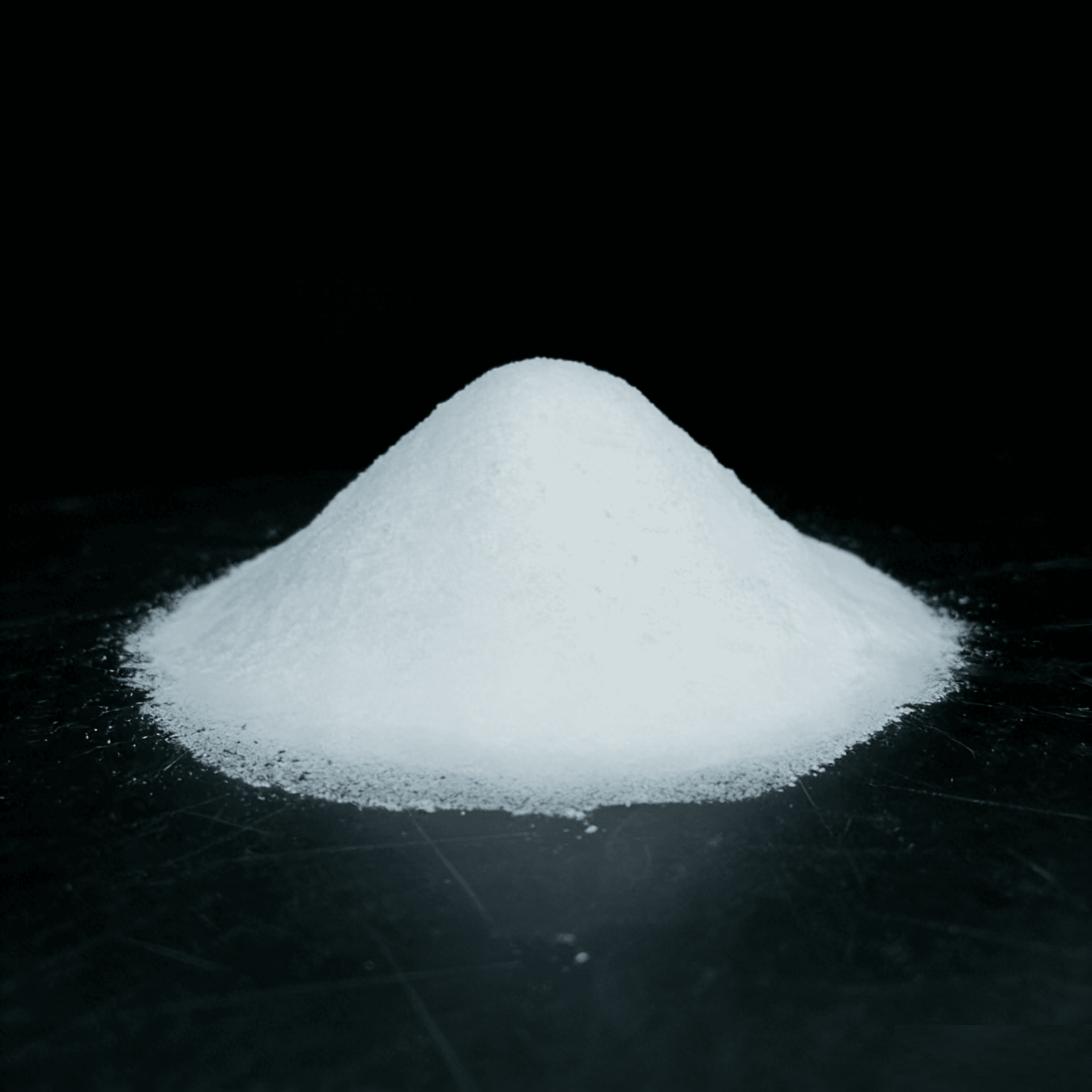
Have you ever wondered what keeps your favorite cured meats like bacon and salami deliciously fresh and savory for weeks? The answer might surprise you. It’s an unassuming compound known as potassium nitrate, a preservative that has quietly played a vital role in food preservation for centuries. While it may sound like something straight out of a chemistry lab, نترات البوتاسيوم is a key ingredient that not only extends the shelf life of foods but also enhances their safety and taste. This compound’s ability to combat spoilage and inhibit bacterial growth makes it an invaluable ally in the culinary world.
Potassium nitrate’s journey from ancient food preservation methods to modern-day kitchens is fascinating. Its antibacterial properties protect foods against harmful microbes, ensuring that products remain safe and flavorful. But how exactly does it achieve this, and why is potassium nitrate used as a preservative instead of other compounds? As we delve into the science and history behind this versatile preservative, you’ll discover how it maintains the integrity of foods and contributes to their delectable appeal. Join us as we uncover the surprising reasons behind potassium nitrate’s enduring presence in food preservation today.

The History of Potassium Nitrate in Food Preservation
Potassium nitrate, historically known as saltpeter, has roots stretching back thousands of years. Early civilizations such as the Egyptians and Chinese recognized its ability to preserve meats, fish, and dairy products long before the term “why is potassium nitrate used as a preservative” even existed. In ancient China, saltpeter was mixed with salt to cure pork and fish, helping communities store protein through harsh seasons. Meanwhile, medieval Europe prized potassium nitrate for its role in curing hams and sausages. At that time, preserving meat was critical for survival, and saltpeter’s nitrate content slowly sparked interest among early alchemists and proto-chemists who explored its broader applications.
By the 16th and 17th centuries, saltpeter became a commercially traded commodity, fueling both food preservation and the early gunpowder industry. The dual demand for food-grade saltpeter and explosive-grade nitrate led to more systematic extraction techniques. In the 19th century, chemists isolated and refined potassium nitrate, enhancing its safety and consistency for food preservation. This period also saw the first scientific investigations into the antibacterial properties of potassium nitrate, paving the way for standardized curing methods. Today, although more refined nitrites and nitrates are available, the historical significance of potassium nitrate in cured meats remains a testament to its enduring utility.
How Potassium Nitrate Prevents Spoilage in Foods
At the heart of potassium nitrate’s preservative power is its ability to inhibit the growth of spoilage-causing microorganisms. When added to foods, potassium nitrate gradually converts into nitrite, which is the active agent in most curing processes. This nitrite interferes with bacterial metabolism, particularly targeting Clostridium botulinum, the dangerous bacterium responsible for botulism. The antibacterial properties of potassium nitrate stem from this conversion, as nitrite disrupts enzyme systems and DNA synthesis in harmful microbes, effectively halting their growth and toxin production.
Additionally, nitrite promotes the formation of nitric oxide in the food matrix. Nitric oxide binds to iron proteins in microbial cells, further impairing vital functions. In cured meats, such as ham, bacon, and salami—where potassium nitrate in cured meats is invaluable—this dual mechanism provides a robust defense against spoilage. By controlling microbial activity, potassium nitrate food preservation not only extends shelf life but also ensures that products remain safe for consumption even after weeks of storage. This protective action explains exactly why potassium nitrate is used as a preservative in so many traditional and artisanal foods.
Potassium Nitrate’s Impact on Flavor and Taste Enhancement
Beyond its preservative role, potassium nitrate profoundly influences the sensory qualities of cured foods. During the curing process, nitrite derived from potassium nitrate reacts with myoglobin in meat to produce nitrosomyoglobin, the compound responsible for the characteristic pink hue of cured ham and bacon. This color fixation not only improves visual appeal but also signals to consumers that the product has undergone proper preservation. The subtle chemistry behind this reaction also helps stabilize flavor compounds, preventing rancidity in fats and maintaining the fresh aroma that defines premium cured meats.
Flavor enhancement goes deeper: nitrosation reactions generate distinctive aroma compounds that contribute to the savory, umami-rich profile prized in salamis and smoked sausages. When chefs ask “why potassium nitrate is used as a preservative,” part of the answer lies in its ability to balance tastes. By inhibiting unwanted fermentation and rancidity, potassium nitrate lets desirable flavors develop more fully. The result is a harmonious blend of sweet, salty, and smoky notes that define the best-dried and cured specialties around the world.
Regulatory Aspects: Safety and Guidelines for Using Potassium Nitrate
Regulatory bodies around the globe recognize both the benefits and potential risks associated with potassium nitrate. The U.S. Food and Drug Administration (FDA) sets strict limits on the amount of nitrate and nitrite allowed in cured meats, typically capped at 200 ppm (parts per million) for combined nitrite sources. In the European Union, regulations require clear labeling when nitrates or nitrites are added, ensuring consumers understand why potassium nitrate is used as a preservative in their favorite deli items. These guidelines balance public health concerns with the practical need for effective food preservation.
Internationally, the Joint FAO/WHO Expert Committee on Food Additives (JECFA) evaluates acceptable daily intake (ADI) levels for nitrates, recommending limits to minimize any potential health risks. Manufacturers must adhere to Good Manufacturing Practices (GMP), using the minimum effective dose to achieve safe preservation. Additionally, some producers are exploring natural nitrate sources—like celery powder—to meet clean-label demands while staying within regulatory frameworks. Ultimately, clear guidelines and responsible usage ensure that potassium nitrate food preservation continues safely and transparently for consumers worldwide.
Conclusion: The Enduring Value of Potassium Nitrate in Food Preservation
Potassium nitrate’s remarkable journey from ancient saltpeter to a regulated modern preservative underscores its unique blend of safety, efficacy, and sensory enhancement. By harnessing its antibacterial properties and enabling vibrant color and flavor development, this compound remains a cornerstone of cured meat production and other preservation applications.
While regulatory frameworks ensure its safe use, understanding why potassium nitrate is used as a preservative deepens appreciation for the science and tradition behind our favorite cured foods. As consumers continue to demand both quality and transparency, potassium nitrate’s enduring presence is a testament to its unparalleled role in preserving taste, safety, and culinary heritage.
 English
 Arabic
 Spanish
 French