
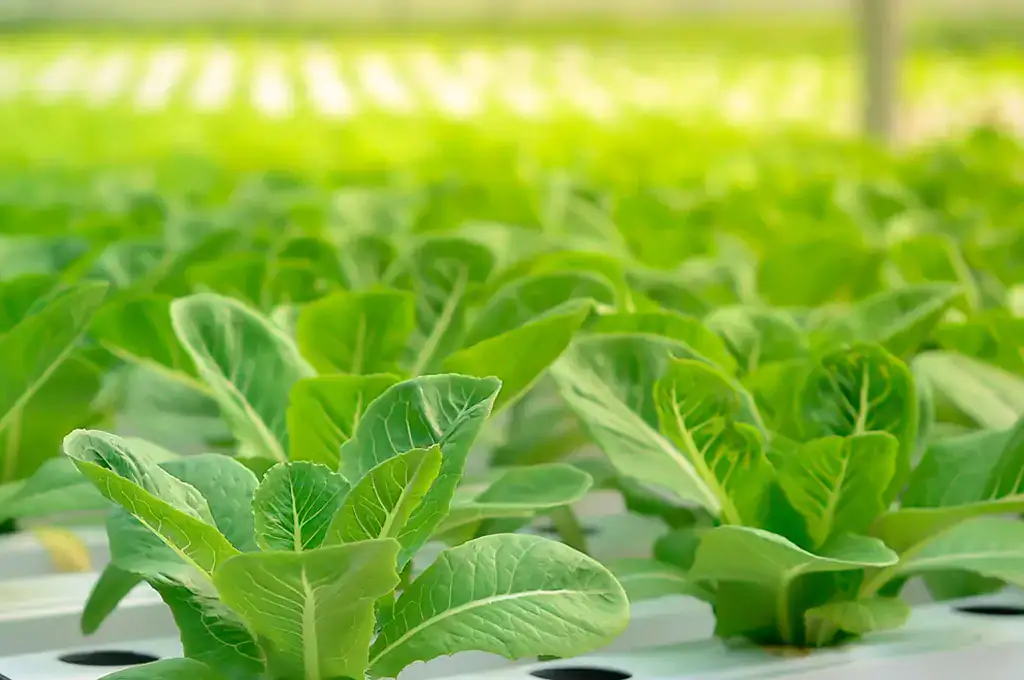
Imagine transforming your garden into a lush, thriving paradise with the help of a simple compound that often goes unnoticed: potassium nitrate. This remarkable substance, commonly referred to as a gardener’s secret weapon, holds the key to invigorating plant growth and enhancing the vitality of your greenery. As you embark on your gardening journey, embracing the potential of potassium nitrate can lead to stunning results that seem almost magical.
While many gardeners are familiar with the basics of plant nutrition, the strategic use of potassium nitrate in the garden remains a treasure trove of possibilities for those willing to explore its benefits. Whether you’re struggling with sluggish growth or simply seeking to boost the health of your plants, understanding how to use potassium nitrate in the garden effectively can take your horticultural endeavors to the next level. Delve into the science and practical tips behind this powerful fertilizer, and watch as your garden flourishes like never before.

Understanding Potassium Nitrate: The Basics
Potassium nitrate, chemically known as KNO₃, is a water-soluble salt composed of potassium and nitrate ions. This dual-nutrient compound stands out as a balanced source of two essential macronutrients: potassium (K) and nitrogen (N). Gardeners often refer to it as an advanced potassium nitrate garden fertilizer because it supplies both nutrients in a readily available form. Its crystalline appearance and high solubility make it easy to dissolve in water for foliar sprays or soil drenching, offering flexibility in potassium nitrate fertilizer application.
In terms of plant physiology, potassium regulates water uptake, enzyme activation, and cell turgor, while nitrate is a vital component of amino acids, proteins, and chlorophyll. The synergy between potassium and nitrate in a single compound ensures that both nutrients are delivered simultaneously, optimizing nutrient uptake and reducing the risk of nutrient imbalances. When you learn how to use potassium nitrate in the garden, you tap into a streamlined method for meeting plants’ essential needs without the hassle of mixing separate fertilizers. By incorporating this compound into regular feeding schedules, gardeners can maintain consistent nutrient levels that support vigorous growth, robust flowering, and abundant fruit production.
How Potassium Nitrate Promotes Plant Growth
Potassium nitrate for plants serves as a dynamic growth stimulator. The nitrate portion supports the synthesis of amino acids and proteins, which are the building blocks for cell division and new tissue development. Meanwhile, potassium enhances overall metabolic functions, improving photosynthesis and the transportation of sugars through the plant’s vascular system. This dual action accelerates vegetative growth, leading to healthier foliage and stronger stems. In fact, many gardeners notice a visible improvement in leaf color and texture shortly after applying a potassium nitrate solution.
Beyond basic growth, this compound plays a crucial role during the flowering and fruiting stages. Nitrate availability encourages the formation of flower buds, while potassium strengthens cell walls, increases drought tolerance, and enhances fruit size and sweetness. By maintaining an optimal balance through تطبيقات نترات البوتاسيوم, you help plants allocate resources more efficiently, shifting energy from foliage expansion to reproductive development. Consistent use as part of a well-rounded feeding program can result in higher yields, more vibrant blooms, and increased resistance to stressors like pests and drought.
Different Forms of Potassium Nitrate for Gardening
Gardeners can choose from several forms of potassium nitrate garden fertilizer depending on their needs and preferences. The most common forms include granular crystals, soluble powders, and liquid concentrates. Granular potassium nitrate is ideal for soil incorporation; you can broadcast it around the root zone and lightly till it in. Soluble powders dissolve quickly in water, making them perfect for injectors, drip systems, or fertigation setups. Liquid concentrates allow for precise foliar sprays, directly delivering nutrients to leaves for rapid uptake.
When considering potassium nitrate dosage for plants, typical rates range from 0.1% to 0.3% solutions for foliar applications and 1–2 grams per liter of water for soil drench treatments. Always follow label recommendations and conduct a small test on a few plants before widespread use. For potassium nitrate fertilizer application in potted or container plants, adjust the dosage downward by about 25%, as containers retain nutrients more concentratedly than open soil beds. Regular monitoring of plant response and occasional soil or tissue testing will help you fine-tune the dosage, ensuring that potassium and nitrogen levels remain optimal without risking salt buildup or nutrient burn.
Conclusion: Unlocking the Garden’s Full Potential with Potassium Nitrate
By integrating potassium nitrate into your routine gardening practices, you equip your plants with a balanced source of two critical nutrients—nitrogen and potassium—delivered in one efficient package. This synergy accelerates vegetative growth, boosts flowering, and enhances fruit production, unlocking a higher level of garden performance.
Whether you choose granular, powder, or liquid formats, understanding proper potassium nitrate dosage for plants and application methods will ensure safe, effective results. Embrace this gardener’s secret weapon, and watch as your garden transforms into the thriving, bountiful haven you’ve always dreamed of.
 English
 Arabic
 Spanish
 French