
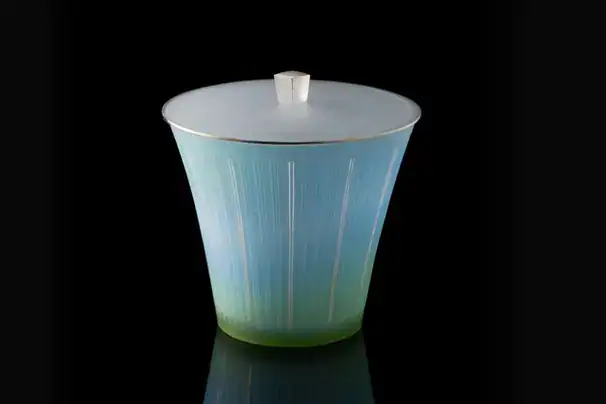
The world of ceramics is vast and varied, offering endless possibilities for both artists and industrial manufacturers. One intriguing component in this field is potassium nitrate, commonly known as saltpeter. This compound is not only significant in glaze chemistry but also plays a vital role in kiln safety and low-temperature firing. Let’s delve into the benefits and uses of potassium nitrate ceramics.

Understanding Potassium Nitrate
Potassium nitrate (KNO3) is a chemical compound that consists of potassium, nitrogen, and oxygen. It is a naturally occurring mineral that has been used for centuries in various applications, from food preservation to fireworks. In ceramics, potassium nitrate is valued for its properties as a glaze flux and its ability to enhance colorant effects.
Potassium Nitrate Properties
Potassium nitrate is a white crystalline solid that is soluble in water. It is known for its oxidizing properties, which make it an effective component in firing processes. When used in ceramic glazes, potassium nitrate helps lower the melting temperature, allowing for low-temperature firing. This can be particularly beneficial for artists looking to achieve specific effects without exposing their pieces to high heat.
The Role of Potassium Nitrate in Glaze Chemistry
In glaze chemistry, potassium nitrate acts as a flux. A flux is a material that helps lower the melting point of the other components in the glaze, allowing them to fuse smoothly during firing. By incorporating potassium nitrate into ceramic glazes, artists and manufacturers can achieve a variety of aesthetic and functional results.
Enhancing Colorant Effects
One of the notable benefits of using potassium nitrate in glazes is its ability to enhance colorant effects. The compound interacts with metal oxides in the glaze, intensifying colors and creating unique visual textures. This makes it an invaluable tool for ceramists aiming to produce vibrant, eye-catching pieces.

Achieving Low-Temperature Firing
Potassium nitrate’s ability to lower firing temperatures can be a game-changer for ceramists. Low-temperature firing not only reduces energy consumption but also minimizes the risk of damage to delicate pieces. This is particularly useful for artists working with fine, intricate designs that may not withstand high temperatures.
Potassium Nitrate in Kiln Safety
Kiln safety is a paramount concern for anyone involved in ceramic production. The use of potassium nitrate can contribute to safer firing practices. Its oxidizing properties help maintain a stable atmosphere within the kiln, reducing the risk of sudden temperature spikes that could lead to accidents or damage.
Preventing Kiln Overheating
By promoting a consistent and controlled firing environment, potassium nitrate can prevent kiln overheating. This is crucial in avoiding potential hazards and ensuring that ceramic pieces emerge from the kiln intact and free from defects.
Potassium Nitrate in Glass-Ceramics
Beyond traditional ceramics, potassium nitrate finds applications in the production of glass-ceramics. These materials combine the properties of both glass and ceramics, resulting in products that are not only aesthetically pleasing but also highly functional. Potassium nitrate’s role as a flux and its ability to enhance colorants make it a valuable component in this innovative field.
Applications in Industry
In industrial settings, glass-ceramics are used in various applications, including cooktops, bioactive materials, and electronics. The inclusion of potassium nitrate in their production can improve their thermal stability and overall performance, making them a preferred choice for manufacturers seeking high-quality materials.
Exploring Potassium Nitrate Uses
The versatility of potassium nitrate extends beyond ceramics. Its uses range from agriculture to fireworks, showcasing its adaptability and importance in different fields. In agriculture, for example, potassium nitrate is used as a fertilizer to provide essential nutrients to plants. In the world of pyrotechnics, it serves as an oxidizing agent to help create vibrant displays.
Potassium Nitrate as a Glaze Flux
In the context of ceramics, potassium nitrate’s role as a glaze flux is crucial. It helps create a smooth, glass-like surface on pottery, enhancing both the appearance and durability of the finished product. This characteristic is particularly valued in the production of tableware and decorative items, where both aesthetics and functionality are essential.

Conclusion
Potassium nitrate ceramics offer a plethora of benefits, from enhancing colorant effects to improving kiln safety. Its role as a glaze flux and its ability to facilitate low-temperature firing make it an essential component for both artists and industrial manufacturers.
Whether you are an aspiring ceramist or a seasoned professional, understanding the properties and applications of potassium nitrate can open up new possibilities for your work. With its unique combination of properties, potassium nitrate continues to be a valuable asset in the ever-evolving world of ceramics.
By exploring the benefits of potassium nitrate, you can unlock new creative potential and ensure the safety and quality of your ceramic creations. As the demand for innovative and sustainable materials grows, potassium nitrate remains at the forefront, offering solutions that meet the needs of artists and industries alike.
 English
 Arabic
 Spanish
 French