
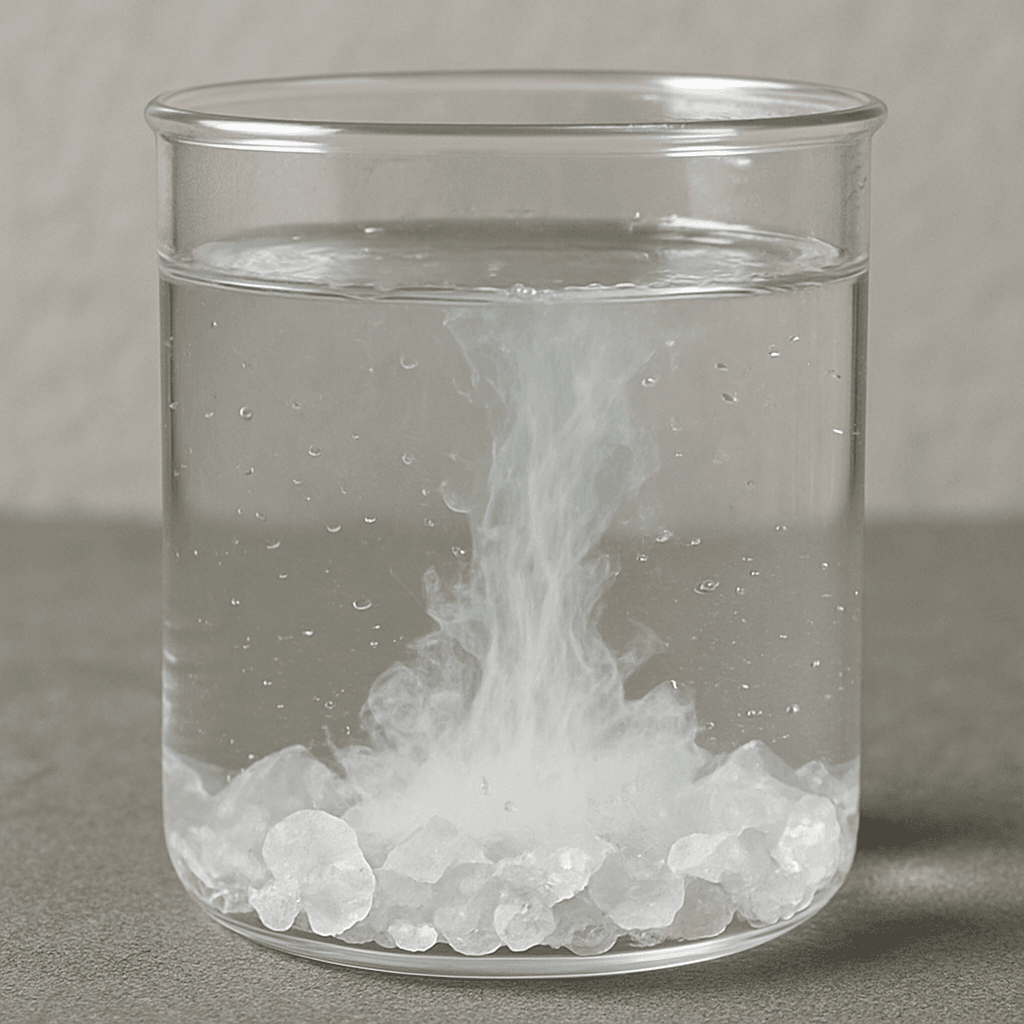
Crystallization is a fascinating process that can transform a dissolved substance into a solid crystal form. One of the most intriguing examples is the crystallization of potassium nitrate, a compound widely used in fertilizers, food preservation, and even fireworks. This article will guide you through the essential steps and methods for crystallizing potassium nitrate, offering a clear understanding of this complex yet intriguing process.
Potassium nitrate (KNO₃) is a crystalline compound composed of potassium, nitrogen, and oxygen. Known for its solubility in water, potassium nitrate is often used in various industrial applications. The compound’s ability to form crystals makes it an ideal candidate for studying crystallization processes.

The Crystallization Process
The crystallization of potassium nitrate involves transforming the compound from a dissolved state in a solution to a solid crystal form. This process typically requires a saturated solution, where the solvent (usually water) holds the maximum amount of potassium nitrate possible at a given temperature.
Steps in the Crystallization Process
- Dissolving Potassium Nitrate: Begin by dissolving potassium nitrate in hot water. The solubility of potassium nitrate increases with temperature, allowing more of the compound to dissolve.
- Cooling the Solution: Once the potassium nitrate is fully dissolved, allow the solution to cool slowly. As the temperature decreases, the solubility of potassium nitrate also decreases, leading to the formation of crystals.
- Crystal Formation: During cooling, potassium nitrate will start to crystallize out of the solution. The slower the cooling process, the larger and purer the crystals will be. This is because impurities are less likely to be trapped in the crystal lattice.
- Harvesting Crystals: Once crystallization is complete, the potassium nitrate crystals can be harvested by filtration. After filtering, allow the crystals to dry completely.
Recrystallization for Purity
Recrystallization is a method used to purify potassium nitrate crystals. It involves dissolving the harvested crystals in a minimal amount of hot water and then allowing the solution to cool again. This process can remove impurities that may have been trapped during the initial crystallization.

Factors Affecting Crystallization
Several factors can influence the crystallization of potassium nitrate:
- Temperature: Higher temperatures allow more potassium nitrate to dissolve, while lower temperatures encourage crystal formation.
- Cooling Rate: Slow cooling results in larger, purer crystals, while rapid cooling can lead to smaller, less pure crystals.
- Purity of Starting Materials: Impurities in the initial potassium nitrate can affect the size and purity of the resulting crystals.
Understanding the crystallization of potassium nitrate not only illuminates the science behind crystal formation but also highlights the importance of controlled conditions in achieving desired results. Whether for industrial applications or academic study, mastering the crystallization process can yield significant benefits.
By following these methods for crystallizing potassium nitrate, you can explore the intricate world of crystal formation, gaining insights into both the beauty and utility of this fascinating compound. Whether you are an industry professional or a science enthusiast, the crystallization process offers a window into the wonders of chemistry.“`
 English
 Arabic
 Spanish
 French