
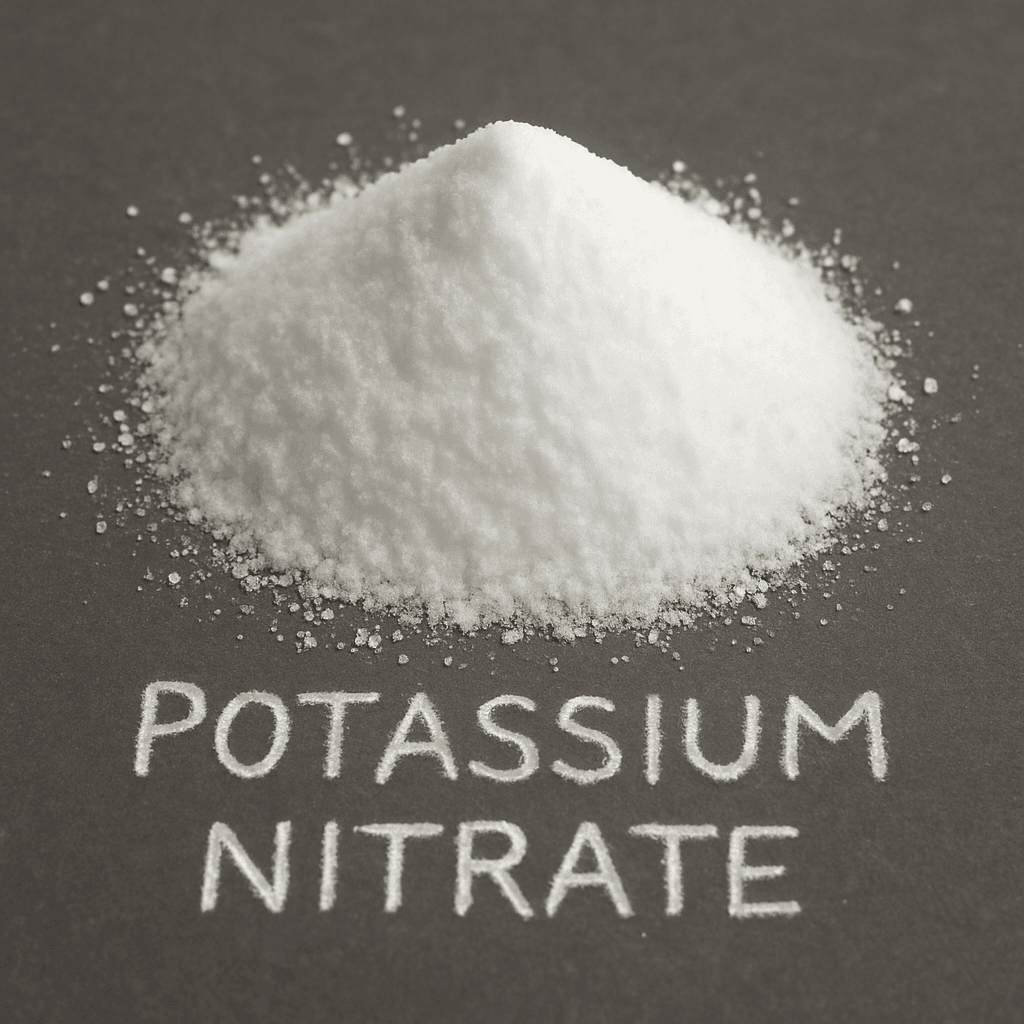
Potassium nitrate, often known by its chemical formula KNO3, is a commonly used compound found in fertilizers, food preservatives, and even fireworks. While it has many beneficial applications, it’s crucial to understand the potential dangers associated with potassium nitrate, particularly the risk of explosions.
Potassium nitrate is a chemical compound that consists of potassium, nitrogen, and oxygen. It is a type of salt and is often used as a fertilizer to provide essential nutrients to plants. In addition to its agricultural use, potassium nitrate is used in the food industry as a preservative and in pyrotechnics to produce colorful fireworks displays.
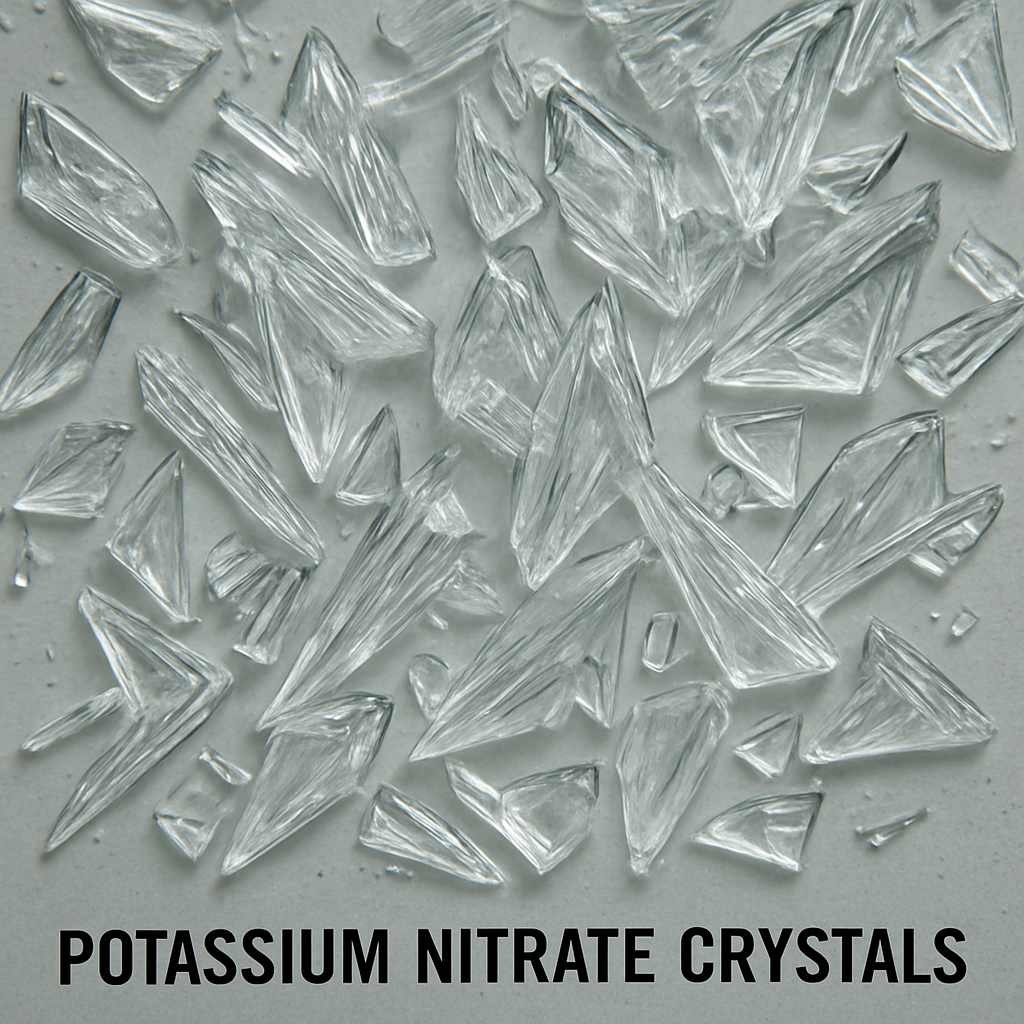
The Hazards of Potassium Nitrate
Despite its usefulness, potassium nitrate can pose serious hazards if not handled properly. It is classified as an oxidizer, which means it can intensify fires and cause combustible materials to ignite more readily. This property makes potassium nitrate particularly dangerous when it comes to the risk of explosions.
Oxidizer Chemicals Safety
Understanding the safety precautions for oxidizer chemicals like potassium nitrate is essential. These compounds release oxygen, which can fuel fires and explosions. When mixed with flammable materials, such as wood, paper, or certain metals, potassium nitrate can cause a rapid and violent reaction.
KNO3 Combustion and Explosion Risk
The combustion of potassium nitrate occurs when it is exposed to high temperatures or an open flame. This reaction can release a significant amount of energy, leading to an explosion if not controlled. The risk is heightened in environments where potassium nitrate is improperly stored or handled.
Potassium Nitrate Explosion in Beirut
A tragic example of the dangers of potassium nitrate was the explosion in Beirut in 2020. A large quantity of ammonium nitrate, a compound similar to potassium nitrate, was stored improperly in a warehouse. When it ignited, it caused a massive explosion, resulting in widespread destruction and loss of life. This incident highlights the importance of proper storage and handling of such materials.
Potassium Nitrate Reactions
Potassium nitrate can undergo several chemical reactions that pose potential hazards. Understanding these reactions can help in preventing accidents.
Decomposition
When heated, potassium nitrate decomposes to release oxygen and nitrogen gases. This reaction can intensify fires and cause combustible materials to ignite more easily. It’s important to store potassium nitrate away from heat sources to prevent decomposition.
Interaction with Other Chemicals
Potassium nitrate can react with various chemicals, leading to dangerous situations. For example, mixing potassium nitrate with sulfur or carbon can create a highly explosive mixture. It’s essential to be aware of these interactions and avoid combining potassium nitrate with incompatible substances.
Explosive Materials Precautions
To mitigate the risks associated with potassium nitrate, certain precautions should be followed when handling and storing this compound.
Potassium Nitrate Storage Guidelines
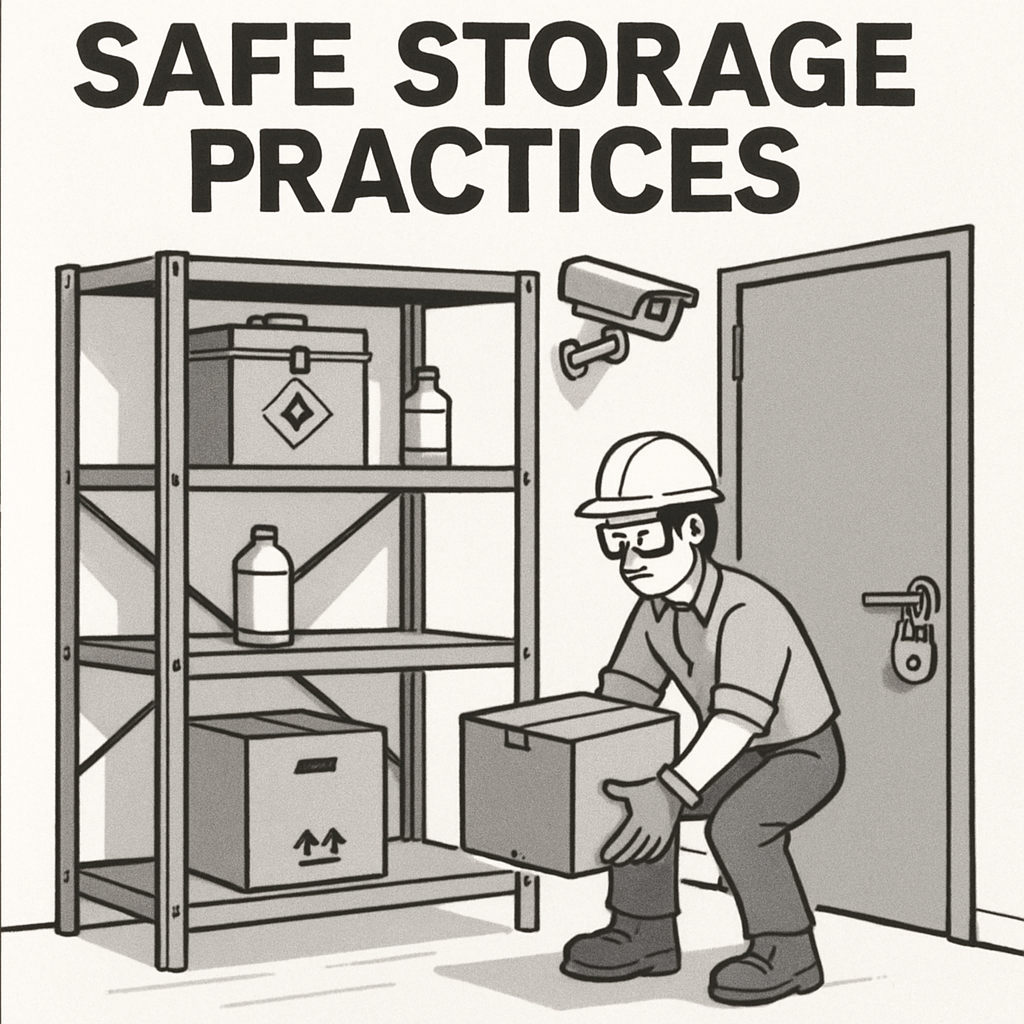
Proper storage is crucial in preventing accidents involving potassium nitrate. Here are some guidelines for safe storage:
- Keep it Cool and Dry: Store potassium nitrate in a cool, dry place to prevent decomposition and minimize the risk of ignition.
- Avoid Mixing with Flammables: Ensure that potassium nitrate is stored away from flammable materials to prevent accidental combustion.
- Use Appropriate Containers: Store potassium nitrate in containers made of non-combustible materials to reduce the risk of fire.
Handling Precautions
When handling potassium nitrate, it’s important to follow safety guidelines to prevent accidents:
- Wear Protective Gear: Use gloves, goggles, and protective clothing to minimize direct contact with potassium nitrate.
- Avoid Inhalation: Work in a well-ventilated area to prevent inhaling dust or fumes from potassium nitrate.
- Follow Safety Protocols: Adhere to standard safety protocols for handling chemicals, including proper disposal of waste materials.


Conclusion
By following storage guidelines, handling precautions, and being aware of potential reactions, we can mitigate the dangers and continue to benefit from the many uses of potassium nitrate.
Remember, safety is paramount when working with any chemical, especially those with explosive potential like potassium nitrate. Stay informed, stay cautious, and prioritize safety in all interactions with this compound.
 English
 Arabic
 Spanish
 French