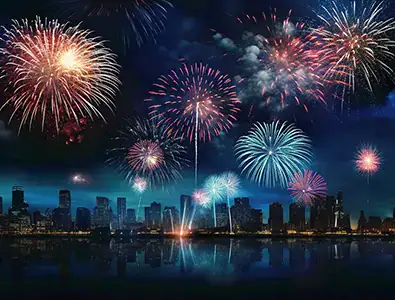
Creating your own pyrotechnic stars can be an exciting endeavor for any fireworks enthusiast. This guide will walk you through the process of making firework stars using potassium nitrate and aluminum powder. Whether you’re new to DIY pyrotechnics or have some experience, this article will provide you with the necessary steps and safety precautions to create dazzling displays in the night sky.

Fireworks, at their core, rely on a delicate balance of chemistry and artistry. The composition of a firework determines its color, effect, and behavior in the sky. When it comes to making firework stars, understanding the right ingredients and their roles is crucial.
Key Ingredients in Firework Stars
- Potassium Nitrate: This is a common oxidizer in pyrotechnics. It helps supply the oxygen necessary for combustion, which is essential for the star’s ignition and sustainment.
- Aluminum Powder: Known for its bright, white sparks, aluminum powder is used to enhance the brightness and add glittering effects to the firework star.
- Binders: These are materials like dextrin or starch that hold the star composition together in a solid form.
- Other Additives: Depending on the desired effect, other chemicals can be added to alter color or burn rate.
The Role of Potassium Nitrate and Aluminum Powder
Potassium nitrate and aluminum powder are fundamental to creating bright, effective pyrotechnic stars. Potassium nitrate acts as the oxidizer, while aluminum powder serves as the fuel that produces bright flashes and sparkles.
Safety First: Preparing Your Workspace

Safety is paramount when working with fireworks and their components. Before you begin, ensure your workspace is well-ventilated and free of any flammable materials. Always wear protective gear, including gloves, goggles, and a dust mask, to minimize exposure to harmful substances.
Essential Safety Tips
- Ventilation: Ensure your workspace is well-ventilated to avoid inhaling any harmful dust or fumes.
- Protective Gear: Wear gloves, goggles, and a dust mask to protect your skin, eyes, and respiratory system.
- Fire Extinguisher: Keep a fire extinguisher nearby in case of accidental ignition.
- No Open Flames: Avoid working near open flames or sources of heat.
Step-by-Step Guide to Making Firework Stars
Now that we’ve covered the basics, let’s dive into the step-by-step process of making firework stars with potassium nitrate and aluminum powder.
Step 1: Gather Your Materials
To create your firework stars, gather the following materials:
- Potassium nitrate
- Aluminum powder
- Dextrin (as a binder)
- Water
- Mixing bowl
- Measuring spoons
- A sieve or screen
- Protective gear
Step 2: Prepare the Star Composition
- Measure Ingredients: In a mixing bowl, carefully measure out the potassium nitrate and aluminum powder. A common ratio for basic stars is 75% potassium nitrate to 15% aluminum powder, with 10% dextrin.
- Mix Thoroughly: Use a sieve or screen to blend the dry ingredients thoroughly. This ensures an even distribution of chemicals, which is crucial for consistent burning.
Step 3: Add Binding Agent
- Dissolve Dextrin: In a separate container, dissolve dextrin in a small amount of water to create a binding solution.
- Combine: Gradually add the binding solution to your dry mixture, stirring continuously, until it reaches a dough-like consistency.
Step 4: Forming the Stars
- Mold the Stars: Take small amounts of the composition and shape them into small, round stars. Consistency in size ensures they burn evenly.
- Dry the Stars: Place the formed stars in a dry, well-ventilated area to harden. This process can take several days, depending on humidity.
Step 5: Testing and Adjustment
- Test a Sample: Once the stars are dry, test a few samples in a safe, controlled environment to assess their performance.
- Adjust if Necessary: If the stars do not perform as expected, adjust the ratios of ingredients or the drying time.
Troubleshooting Common Issues
Even with careful preparation, you may encounter some common issues when making firework stars.
Stars Not Igniting
- Check the Mixture: Ensure that the ingredients are thoroughly mixed and that the stars are dry before ignition.
Inconsistent Burning
- Size and Shape: Ensure the stars are uniform in size and shape. Irregularities can lead to uneven burning.
The Art of DIY Pyrotechnics
Creating your own pyrotechnic stars is as much an art as it is a science. By experimenting with different compositions and techniques, you can create unique effects that enhance your fireworks displays.
Final Thoughts

Making firework stars with potassium nitrate and aluminum powder can be a rewarding hobby that allows you to customize your own fireworks shows. Remember, safety should always come first. By following the steps and precautions outlined in this guide, you can create stunning pyrotechnic displays safely and effectively. Happy crafting!
 English
 Arabic
 Spanish
 French