
Mangoes are one of the most beloved fruits worldwide, celebrated for their sweet flavor and vibrant color. Their luscious taste and versatility in culinary applications make them a staple in many households and cuisines. However, growing these tropical delights can present challenges, particularly when it comes to ensuring optimal flowering. Mango cultivation requires an understanding of the environmental and nutritional needs of the trees, and even slight deviations can impact fruit production. One key to improving mango blossom induction is the strategic use of potassium nitrate (KNO3). In this article, we explore how potassium nitrate can play a crucial role in enhancing mango flowering, boosting yield, and the practical steps involved in its application.

Mango flowering is a complex process influenced by various environmental and nutritional factors. The transition from vegetative growth to flowering is essential, as it directly impacts the fruiting stage. Factors such as temperature, light, and nutrient availability can either promote or hinder the flowering process. Flowering in mango trees is essential for fruit production, and any disruption in this process can significantly impact yield. Without sufficient flowering, the potential for a good harvest diminishes, affecting the supply chain from farmers to consumers.
Potassium nitrate emerges as a potent tool for inducing flowering, especially when natural conditions are not favorable. In regions where climatic conditions do not naturally trigger flowering, the use of KNO3 can be a game-changer. It acts as a catalyst, encouraging the trees to bloom even when external factors are not conducive. This chemical intervention, when applied correctly, can make a remarkable difference in the flowering pattern of mango trees, ensuring a more reliable and abundant harvest.
Le rôle du nitrate de potassium
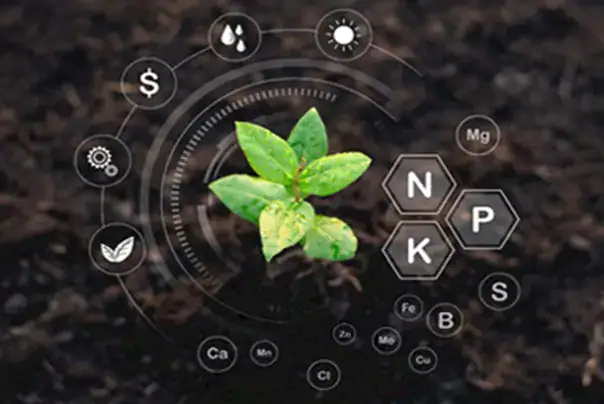
Potassium nitrate (KNO3) is a compound that provides both potassium and nitrogen, essential nutrients for plant growth. It is particularly effective as a flowering stimulant in mango cultivation. These nutrients play integral roles in various plant functions, making KNO3 a valuable addition to any fertilization program. Here’s how it works:
- Nitrogen Component: Nitrogen is crucial for vegetative growth and plays a role in the synthesis of amino acids, proteins, and other vital compounds. It supports the development of new tissues, ensuring that the tree has a robust framework to support flowering. Adequate nitrogen levels contribute to the overall health and vigor of the tree, paving the way for successful flowering.
- Potassium Component: Potassium regulates various physiological processes, including enzyme activation, photosynthesis, and water regulation, which are vital for flowering. It enhances the tree’s ability to utilize water efficiently and supports the energy transfer processes necessary for growth and development. Potassium’s role in enzyme activation is particularly important, as it influences the biochemical pathways involved in flowering.
Benefits of Using Potassium Nitrate for Mango Flowering
Enhanced Mango Blossom Induction
Potassium nitrate is well-known for its ability to induce flowering in mango trees. This is particularly beneficial in areas where the natural conditions do not favor the regular flowering cycle of mangoes. When applied correctly, it can trigger the flowering process even in off-season or less-than-ideal conditions. This ensures that mango farmers can achieve a more consistent and predictable flowering cycle. A consistent flowering cycle allows farmers to plan their harvests more effectively, aligning production with market demands.
Improved Mango Yield

By promoting more robust flowering, potassium nitrate helps increase the number of mangoes produced per tree. A higher yield translates to better profitability for farmers and a more reliable supply for consumers. Increased production not only benefits individual farmers but also strengthens the entire supply chain, making mangoes more readily available in the market. This improved yield contributes to the economic stability of farming communities, providing them with a more secure livelihood.
Better Fruit Quality
The application of potassium nitrate not only boosts yield but also enhances the quality of the fruit. Mangoes grown with KNO3 tend to have better size, color, and flavor, making them more appealing in the market. The improved quality can lead to higher market prices, benefiting both farmers and retailers. Consumers also enjoy superior taste and texture, increasing the demand for mangoes treated with potassium nitrate. This focus on quality ensures that mangoes remain competitive in the global fruit market.
How to Use Potassium Nitrate for Mango Flowering
Méthode d'application
Potassium nitrate can be applied as a foliar spray or soil drench. The foliar spray is the most common method, as it allows for direct absorption through the leaves, leading to a quicker response. This method is preferred because it targets the parts of the plant directly involved in the flowering process.
- Timing: The ideal time for application is before the expected flowering season. This preemptive approach prepares the trees for optimal flowering conditions. By applying KNO3 at the right time, farmers can synchronize flowering with favorable environmental conditions, maximizing the potential for a successful harvest.
- Concentration: A typical concentration for foliar application is 1-2% potassium nitrate solution. It is essential to follow the manufacturer’s guidelines to avoid over-application, which can harm the trees. Proper concentration ensures that the trees receive the optimal amount of nutrients without risking toxicity.
Considérations environnementales
- Weather Conditions: Apply potassium nitrate during calm weather to prevent drift and ensure even coverage. Windy conditions can lead to uneven application, reducing the effectiveness of the treatment. Ensuring that the spray reaches all parts of the tree is crucial for uniform flowering.
- Watering Needs: Ensure that the trees are adequately watered before and after application to facilitate nutrient uptake and avoid stress. Proper irrigation practices support the uptake of nutrients and help maintain tree health during the flowering process.
Défis et considérations

While potassium nitrate is beneficial, it is not a magic bullet. Several factors must be considered to achieve the desired results:
- Soil Health: The effectiveness of potassium nitrate can be influenced by soil health. Poor soil conditions may require additional amendments to maximize results. Ensuring that the soil has the right pH and nutrient balance is essential for the trees to absorb KNO3 effectively.
- Tree Health: Only healthy trees respond well to potassium nitrate. Diseased or stressed trees may not benefit as expected. Regular monitoring and maintenance of tree health are crucial for the successful use of KNO3.
- Environmental Factors: Temperature, humidity, and other environmental factors can affect the efficacy of potassium nitrate. It’s essential to monitor local conditions and adjust application timing accordingly. Being aware of weather patterns and adjusting practices accordingly can make a significant difference in outcomes.
Potassium Nitrate and Sustainable Mango Farming
The use of potassium nitrate in mango farming aligns with sustainable agricultural practices. By enhancing flowering and yield, it supports efficient resource use, reducing the need for excessive inputs. This approach helps in minimizing the environmental footprint of mango cultivation. Additionally, it allows farmers to produce more fruit on the same land, contributing to food security without expanding agricultural land. This efficient use of resources promotes sustainability in agriculture, supporting long-term productivity.
Potassium Nitrate: A Key to Resilient Mango Production
In an era of climate uncertainty, potassium nitrate offers a way to mitigate the impact of unfavorable growing conditions. It serves as a tool for resilience, helping farmers adapt to changing environmental conditions. Ensuring reliable flowering and fruiting, it helps stabilize mango production, providing a buffer against unpredictable weather patterns. This reliability is crucial for maintaining a steady supply of mangoes, even in the face of climate challenges.
Conclusion
Potassium nitrate is a valuable tool in the arsenal of mango farmers, offering a reliable method for inducing flowering and improving yield. By understanding its role and application, farmers can enhance their production while maintaining sustainable practices. Whether you’re a seasoned mango grower or just starting, incorporating potassium nitrate into your flowering strategy could be the key to a bountiful harvest.
With the right approach, potassium nitrate can transform mango cultivation, ensuring that these delicious fruits continue to delight consumers worldwide. By leveraging its benefits, farmers can improve both their productivity and profitability, securing a brighter future for mango production. Embracing this technique not only enhances current practices but also sets the stage for future advancements in mango farming.
 English
 Arabic
 Spanish
 French