
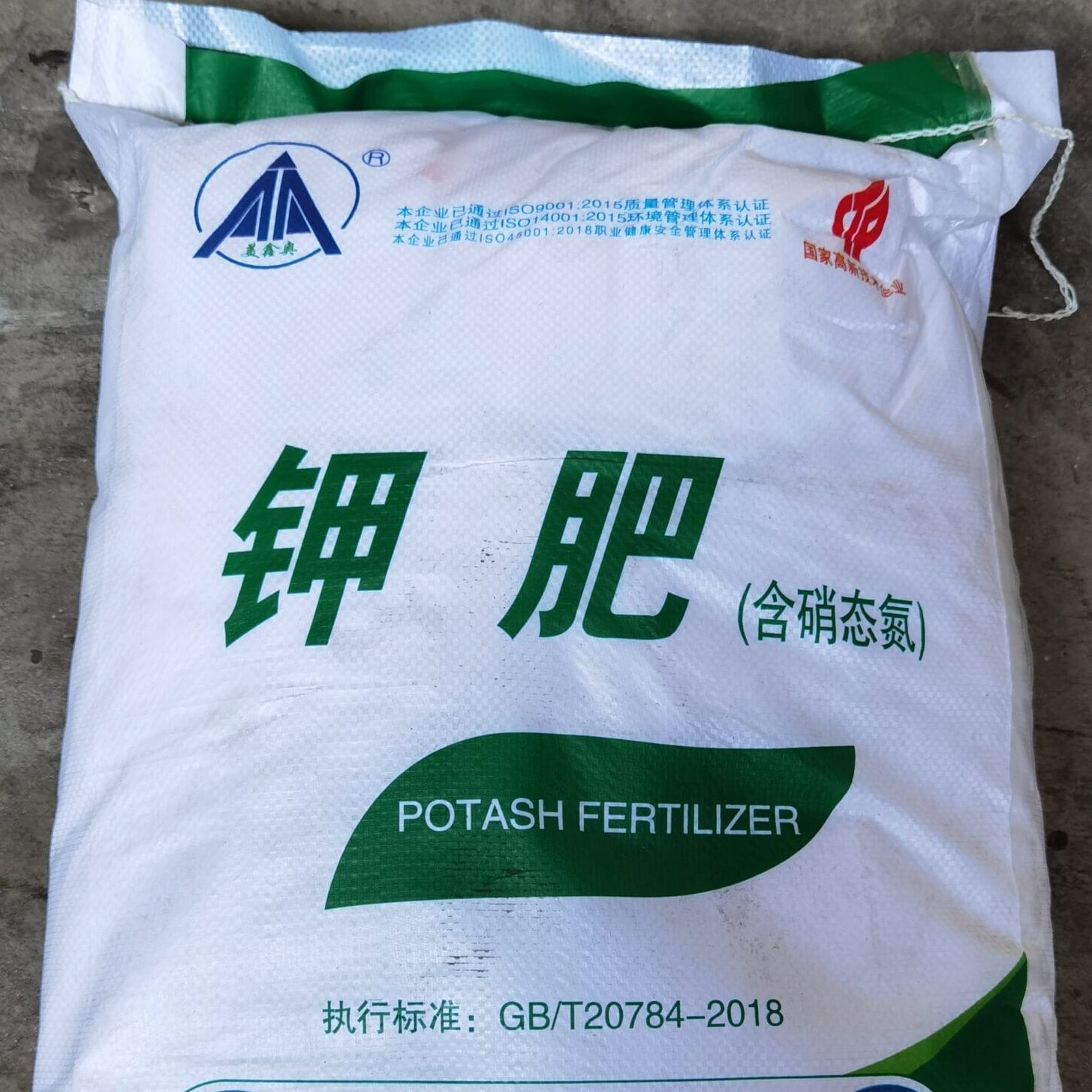
Compound fertilizer equipment refers to the machinery used in the production of compound fertilizers, which are fertilizers containing two or more essential nutrients. These machines play a crucial role in blending, granulating, and processing fertilizers to ensure they deliver the right nutrients to crops. The importance of these machines cannot be overstated, as they are directly responsible for the consistency and quality of the fertilizer produced. Investing in the right equipment not only enhances productivity but also ensures the sustainability of agricultural practices by optimizing the use of nutrients.
Types of Fertilizer Manufacturing Tools
- Fertilizer Granulator: This is a critical piece of equipment in the fertilizer production process. It transforms raw fertilizer materials into granules, making them easier to distribute and apply. Granulators come in various types, including rotary drum, disc, and roller granulators. Each type has its own advantages and is suited for different production needs. For instance, rotary drum granulators are known for their durability and ability to handle large volumes, while disc granulators offer precise control over granule size, making them ideal for specialized production requirements.
- Fertilizer Blending Systems: These systems are used to mix different fertilizer ingredients to create a balanced nutrient profile. Effective blending systems ensure that each granule contains the correct proportion of nutrients, enhancing the overall quality of the fertilizer. Advanced blending systems may incorporate computerized controls to adjust the mix in real-time, thereby increasing the precision and consistency of the final product. This can lead to better crop performance and more efficient use of resources.
- Fertilizer Processing Equipment: This category includes machines used for crushing, screening, and drying. These processes are essential for preparing raw materials and ensuring the final product is of high quality. Crushing machines break down large chunks of raw materials, screening equipment sorts particles by size, and drying machines remove excess moisture. The integration of these processes ensures a streamlined production line, minimizing waste and maximizing output quality.
- Crop Nutrient Machinery: These machines focus on enhancing the nutrient content of the fertilizer. They can include mixers and conditioners that ensure the nutrients are evenly distributed throughout the fertilizer. Advanced nutrient machinery often features programmable settings that allow for the customization of nutrient blends to meet specific crop requirements, thus optimizing the efficiency and effectiveness of the fertilizer.
Factors to Consider When Choosing Fertilizer Equipment

When selecting compound fertilizer equipment, there are several factors to consider to ensure you choose the right machinery for your needs. Making an informed choice involves evaluating various elements that could impact your production process, from the scale of operations to budget constraints. Each factor should be carefully weighed to ensure that the equipment aligns with your business objectives and production goals.
Production Scale and Capacity
The scale of your production is a primary factor in determining the type of equipment you need. Small-scale operations might opt for simpler, more compact machines, whereas large-scale manufacturers require high-capacity, robust equipment that can handle continuous production demands. Understanding your production capacity helps in selecting machinery that can efficiently meet your output needs without overburdening your budget. Additionally, scalability should be considered—choosing equipment that can grow with your business ensures long-term viability and minimizes the need for frequent upgrades.
Types of Fertilizers Produced
Different types of fertilizers require different production processes. For instance, the equipment needed for producing granular fertilizers may differ from that required for liquid fertilizers. Understand the specific requirements of the fertilizers you intend to produce and choose equipment that matches those needs. This involves considering the physical and chemical properties of the raw materials, as well as the intended application method for the final product. Customizing your equipment selection to the type of fertilizer can enhance production efficiency and product efficacy.
Quality and Efficiency
High-efficiency fertilizer equipment is essential for reducing production costs and improving product quality. Look for machines that offer advanced features, such as automated controls and energy-saving technologies. These features can significantly enhance your production process, making it more efficient and cost-effective. Additionally, equipment that prioritizes quality control measures can reduce the risk of defects in the final product, thereby maintaining high standards and meeting regulatory requirements.
Budget Considerations
While it’s important to invest in quality equipment, budget constraints can’t be ignored. Evaluate your budget and prioritize equipment that offers the best balance between cost and functionality. Remember that investing in reliable machinery can save costs in the long run by reducing maintenance needs and improving productivity. Consider financing options or phased investments that allow for gradual upgrades without straining financial resources. Strategic budgeting enables you to acquire equipment that meets current needs while allowing room for future enhancements.
The Role of Granulation in Fertilizer Production

Granulation is a critical process in the production of compound fertilizers. It involves forming raw materials into granules, which are then coated and dried to create the final product. This process not only facilitates ease of handling and application but also plays a vital role in ensuring the uniform distribution of nutrients. The granulation technique used can significantly impact the physical and chemical properties of the fertilizer, influencing its effectiveness and shelf life.
Benefits of Granulation
Granulated fertilizers offer several advantages over their non-granulated counterparts. They are easier to handle and apply, and their uniform size ensures an even distribution of nutrients. Additionally, granulation can improve the shelf life and stability of the fertilizer, reducing the risk of nutrient loss. The controlled release of nutrients from granulated fertilizers can enhance crop uptake efficiency and reduce environmental impact by minimizing nutrient runoff and leaching.
Choosing the Right Fertilizer Granulation Equipment
When choosing granulation equipment, consider factors such as the type of raw materials you use, the desired granule size, and the production capacity. Rotary drum granulators are suitable for large-scale production, while disc granulators are ideal for smaller operations that require precise control over granule size. It’s essential to evaluate the compatibility of the equipment with your existing production line and its ability to integrate with other processes. This ensures seamless operations and maximizes the potential benefits of the granulation process.
Advancements in Fertilizer Production Machinery
Recent advancements in fertilizer production machinery have made it possible to produce high-quality fertilizers more efficiently. Modern machines are equipped with features that enhance automation, improve precision, and reduce environmental impact. These technological innovations not only streamline operations but also contribute to sustainable practices by optimizing resource use and minimizing waste.
Automation and Control Systems
Automation in fertilizer production allows for more precise control over the manufacturing process. Modern machines come with advanced control systems that monitor and adjust parameters such as temperature, pressure, and mixing speed, ensuring consistent product quality. Automation reduces the need for manual intervention, lowering labor costs and minimizing the risk of human error. This leads to higher efficiency and reliability in the production process, ultimately enhancing the profitability of your agricultural operations.
Environmental Considerations
Environmental sustainability is becoming increasingly important in fertilizer production. New equipment is designed to minimize waste, reduce emissions, and conserve energy. Look for machinery that complies with environmental regulations and supports sustainable production practices. Investing in eco-friendly equipment not only helps in meeting regulatory standards but also enhances your brand’s reputation as a responsible and sustainable business. This commitment to sustainability can offer a competitive edge in the market, appealing to environmentally-conscious consumers and partners.
Conclusion
Choosing the right compound fertilizer equipment is a vital step in optimizing your fertilizer production process. By understanding the different types of machinery available and considering factors such as production scale, fertilizer type, and budget, you can select equipment that meets your specific needs. With the right tools, you can enhance production efficiency, improve product quality, and support sustainable agricultural practices. Taking a strategic approach to equipment selection ensures that your investment yields maximum returns, facilitating growth and innovation within your agricultural business.
Incorporate these insights into your decision-making process, and your investment in the right compound fertilizer equipment will undoubtedly yield fruitful results for your agricultural business. With the proper machinery in place, you can confidently move forward, knowing that your operations are equipped to meet both current demands and future challenges.
 English
 Arabic
 Spanish
 French