
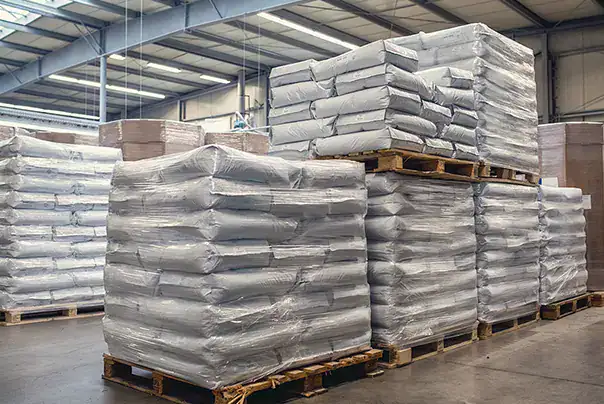
Potassium nitrate, often referred to by its chemical formula KNO3, is a compound used in various applications ranging from fertilizers to food preservation and even pyrotechnics. Despite its versatility, the use of potassium nitrate comes with a set of safety concerns that need careful consideration. This article will delve into the potential hazards, risks, and precautions associated with potassium nitrate to ensure safe handling and storage.
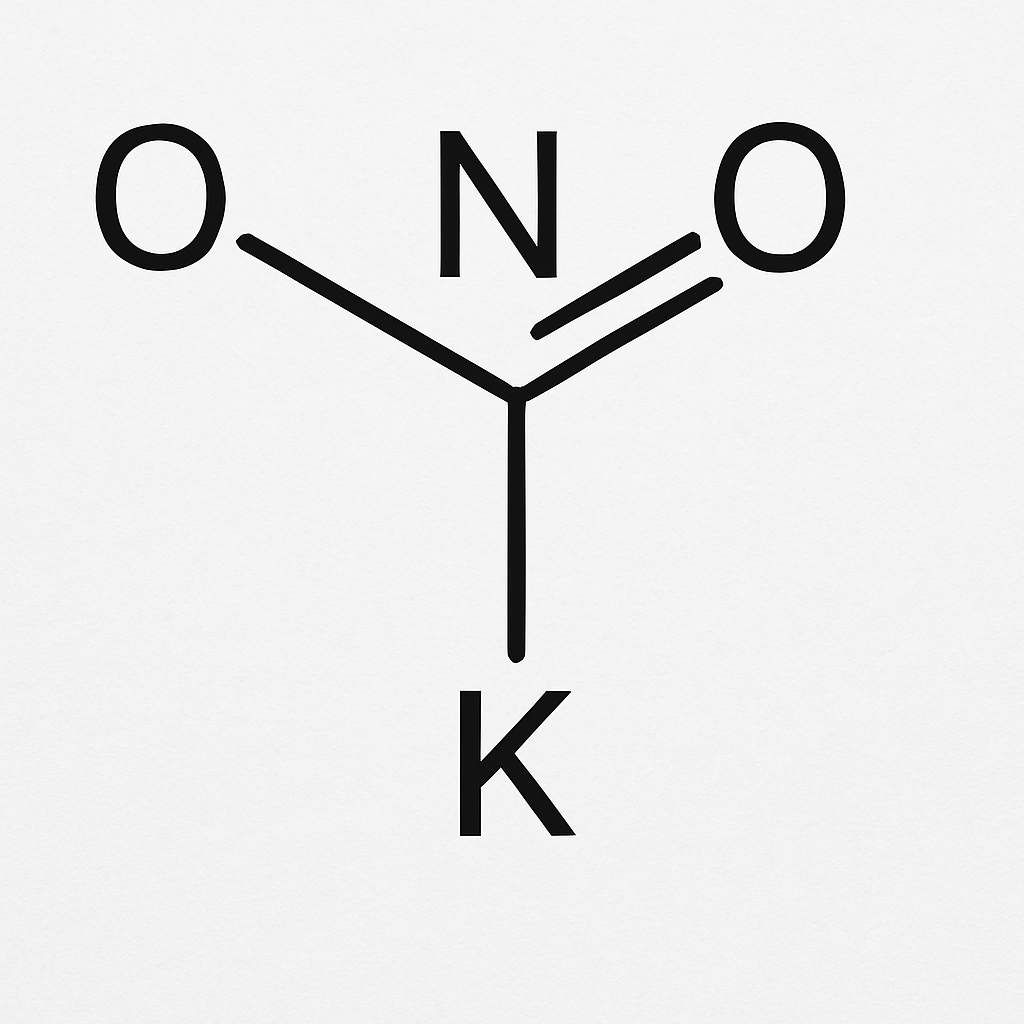
Potassium nitrate is a crystalline salt composed of potassium ions (K+) and nitrate ions (NO3-). It’s highly soluble in water and is commonly found in nature as part of mineral deposits. Its primary uses include serving as a key ingredient in fertilizers, a food additive, and as an oxidizing agent in the production of fireworks and gunpowder.
Common Uses of Potassium Nitrate
- Agriculture: Used as a fertilizer due to its high nitrogen content.
- Food Industry: Acts as a preservative, especially in cured meats.
- Pyrotechnics: Integral in the production of fireworks and explosives.
However, these applications come with inherent risks and safety considerations that must be addressed.
Potassium Nitrate Safety Concerns

The handling and use of potassium nitrate present several safety concerns. Understanding these is crucial for minimizing potential risks.
Health Hazards
- Inhalation: Potassium nitrate dust can irritate the respiratory tract. Prolonged exposure can lead to coughing and shortness of breath.
- Skin Contact: Direct contact with potassium nitrate can cause irritation or burns. It is crucial to wear protective gloves when handling the substance.
- Ingestion: Consuming potassium nitrate can lead to abdominal pain, nausea, vomiting, and diarrhea.
Environmental Concerns
Potassium nitrate can pose environmental risks if not disposed of correctly. It can contaminate water sources, leading to eutrophication—a process that depletes oxygen in water bodies, harming aquatic life.
Fire and Explosion Risks
As an oxidizing agent, potassium nitrate can intensify fires. It is essential to store it away from flammable materials and handle it with care to prevent accidental ignition.
Handling Potassium Nitrate Safely
To mitigate the risks associated with potassium nitrate, it is important to adhere to specific handling guidelines.
Personal Protective Equipment (PPE)
- Gloves: Use chemical-resistant gloves to prevent skin contact.
- Masks: Wear masks to avoid inhaling dust particles.
- Goggles: Protect your eyes from potential splashes or dust.
Safe Handling Practices
- Ventilation: Work in a well-ventilated area to disperse any airborne particles.
- Avoid Mixing: Do not mix with combustible materials or strong acids, as this can trigger chemical reactions.
Emergency Procedures
In case of accidental exposure, it is important to act swiftly:
- Inhalation: Move to an area with fresh air and seek medical attention if symptoms persist.
- Skin Contact: Rinse thoroughly with water and remove contaminated clothing.
- Ingestion: Do not induce vomiting; seek immediate medical help.
Potassium Nitrate Storage Precautions

Proper storage of potassium nitrate is essential to prevent accidents and maintain its effectiveness.
Storage Guidelines
- Cool, Dry Place: Store in a cool, dry area away from direct sunlight and moisture.
- Sealed Containers: Use airtight containers to prevent moisture absorption and contamination.
- Labeling: Clearly label containers with hazard information and handling instructions.
Addressing Potassium Nitrate Concerns
While potassium nitrate is useful, understanding and respecting its potential hazards is vital. Comprehensive knowledge and adherence to safety practices can significantly reduce risks.
Regular Training and Awareness
Ensure that all personnel handling potassium nitrate are adequately trained in safety protocols and emergency procedures. Regular safety drills can enhance preparedness and response times in case of an accident.
Regulatory Compliance
Comply with local and international regulations governing the use, handling, and disposal of potassium nitrate. This includes adhering to Occupational Safety and Health Administration (OSHA) guidelines and Environmental Protection Agency (EPA) standards.
Conclusion
Potassium nitrate is a valuable compound with diverse applications, but it must be handled with care. By understanding the hazards and implementing stringent safety measures, you can minimize the risks associated with its use. Always prioritize safety through proper training, protective equipment, and adherence to storage and handling guidelines to ensure a safe working environment.
Understanding and respecting the potential dangers of potassium nitrate is critical for anyone who handles or works with this chemical. By following the outlined precautions and maintaining a proactive approach to safety, you can effectively manage the concerns associated with potassium nitrate.
 English
 Arabic
 Spanish
 French