
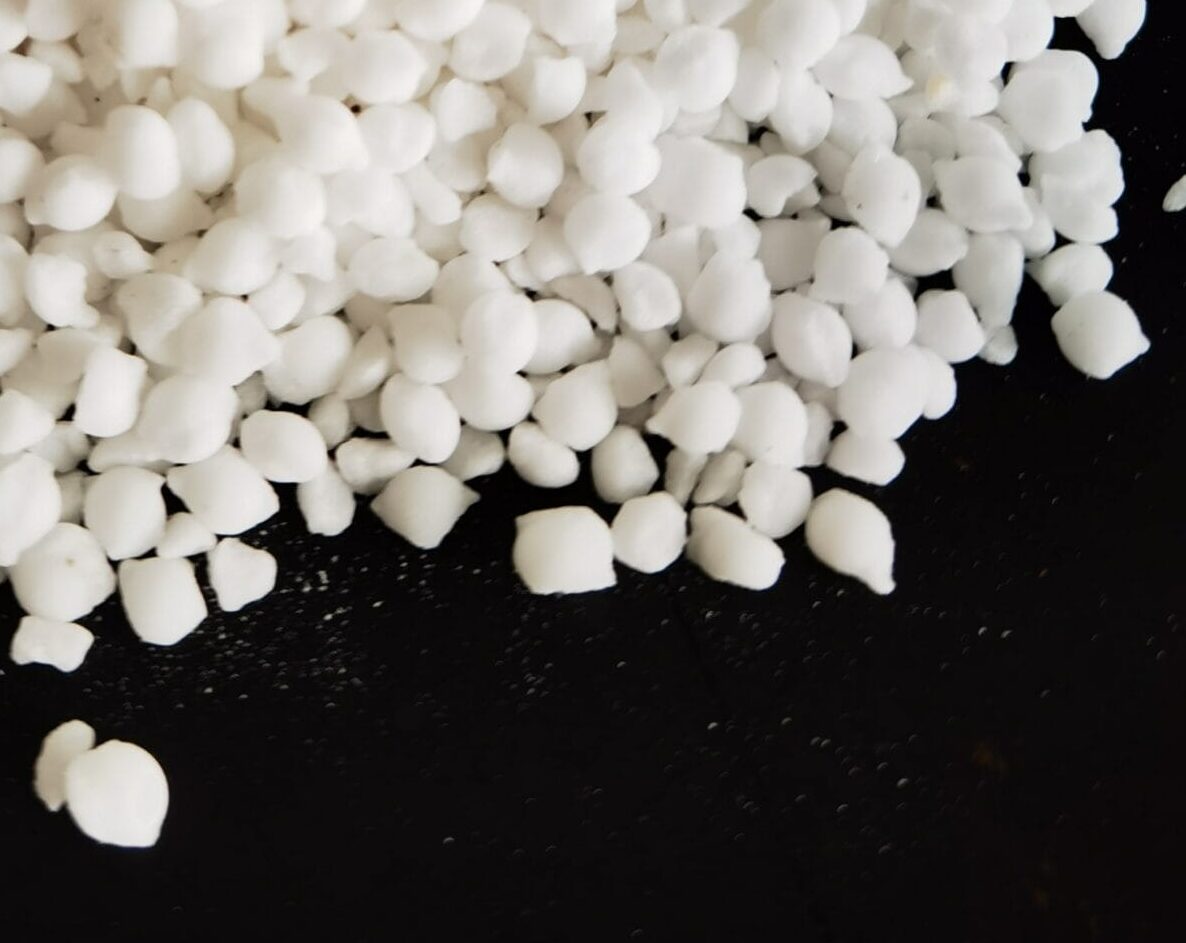
Crystallization is a fascinating process that transforms a solution into beautiful, solid crystals. When it comes to potassium nitrate (KNO3), this process is not only intriguing but also highly relevant for various industries, including agriculture and pyrotechnics. In this article, we delve into the crystal growth process of potassium nitrate, explaining how these inorganic salt crystals form and the factors that influence their development.

Potassium nitrate, often abbreviated as KNO3, is a chemical compound that appears as a white, crystalline solid. Commonly known as saltpeter, it is widely used in fertilizers, food preservation, and fireworks. The formation of potassium nitrate crystals involves a series of steps influenced by temperature, concentration, and time.
The Basics of Crystallization
Crystallization is a natural or artificial process where solid crystals form from a solution. It begins with a supersaturated solution, where more solute is dissolved than the solvent can normally accommodate. As conditions change, the solute starts to come out of the solution, forming solid crystals.
Supersaturation: The Key to Crystal Growth
Supersaturation is the driving force behind crystal formation. It occurs when the concentration of solute exceeds the solvent’s capacity to dissolve it. For potassium nitrate, this can be achieved by dissolving the salt in hot water. As the solution cools, it becomes supersaturated, setting the stage for crystal growth.

Potassium Nitrate Crystals Formation
Cooling Crystallization Process
The cooling crystallization process is a common method for forming potassium nitrate crystals. Here’s how it works:
- Dissolving the Salt: Potassium nitrate is dissolved in hot water, creating a clear solution.
- Achieving Supersaturation: As the solution cools, the solubility of potassium nitrate decreases, leading to supersaturation.
- Nucleation: Tiny seed crystals, known as nuclei, begin to form. These nuclei act as the foundation for further crystal growth.
- Crystal Growth: The nuclei grow as more potassium nitrate molecules attach to them, forming larger crystals.
- Harvesting: Once the desired crystal size is reached, the crystals are removed from the solution and dried.
Factors Influencing Crystal Formation
Several factors can influence the formation and size of potassium nitrate crystals:
- Temperature: Higher temperatures increase solubility, while cooling promotes crystallization.
- Concentration: A higher concentration of potassium nitrate in the solution leads to more rapid crystal growth.
- Agitation: Stirring the solution can affect nucleation and growth, often resulting in smaller, more uniform crystals.
- Impurities: The presence of impurities can disrupt crystal growth, leading to irregular shapes and sizes.
Practical Applications of Potassium Nitrate Crystals
Potassium nitrate crystals are used in various applications due to their unique properties. Let’s explore some of the most common uses:
Fertilizer Crystallization
Potassium nitrate is a key component in fertilizers, providing essential nutrients for plant growth. The crystallization process ensures the production of high-purity potassium nitrate, which is critical for effective fertilization.
Pyrotechnics and Fireworks

In the realm of pyrotechnics, potassium nitrate is a vital ingredient in gunpowder and fireworks. The controlled crystallization of potassium nitrate is crucial for producing consistent and reliable pyrotechnic effects.
Food Preservation
Historically, potassium nitrate has been used as a preservative in cured meats. Its ability to inhibit bacterial growth makes it valuable in food preservation.
Experimenting with Potassium Nitrate Crystallization
If you’re interested in experimenting with potassium nitrate crystallization at home, here’s a simple guide to get you started:
Materials Needed
- Potassium nitrate (available at garden centers or online)
- Distilled water
- Heat source
- Glass container
- Stirring rod
- Filter paper
Steps for Growing Crystals
- Prepare the Solution: Heat distilled water and gradually add potassium nitrate while stirring until no more dissolves.
- Cool the Solution: Allow the hot solution to cool slowly at room temperature. You may notice tiny crystals forming.
- Filter and Seed: Pour the solution through a filter to remove any undissolved particles. Introduce a small seed crystal to promote growth.
- Observe and Harvest: As the solution continues to cool, observe the growth of your crystals. Once they reach the desired size, carefully remove and dry them.
Conclusion
Potassium nitrate crystallization is a captivating process with significant industrial and scientific relevance. By understanding the crystal growth process and the factors that influence it, we can harness the potential of potassium nitrate crystals for various applications. Whether you’re a student, hobbyist, or professional, exploring the world of inorganic salt crystals opens up a realm of discovery and innovation.
 English
 Arabic
 Spanish
 French