
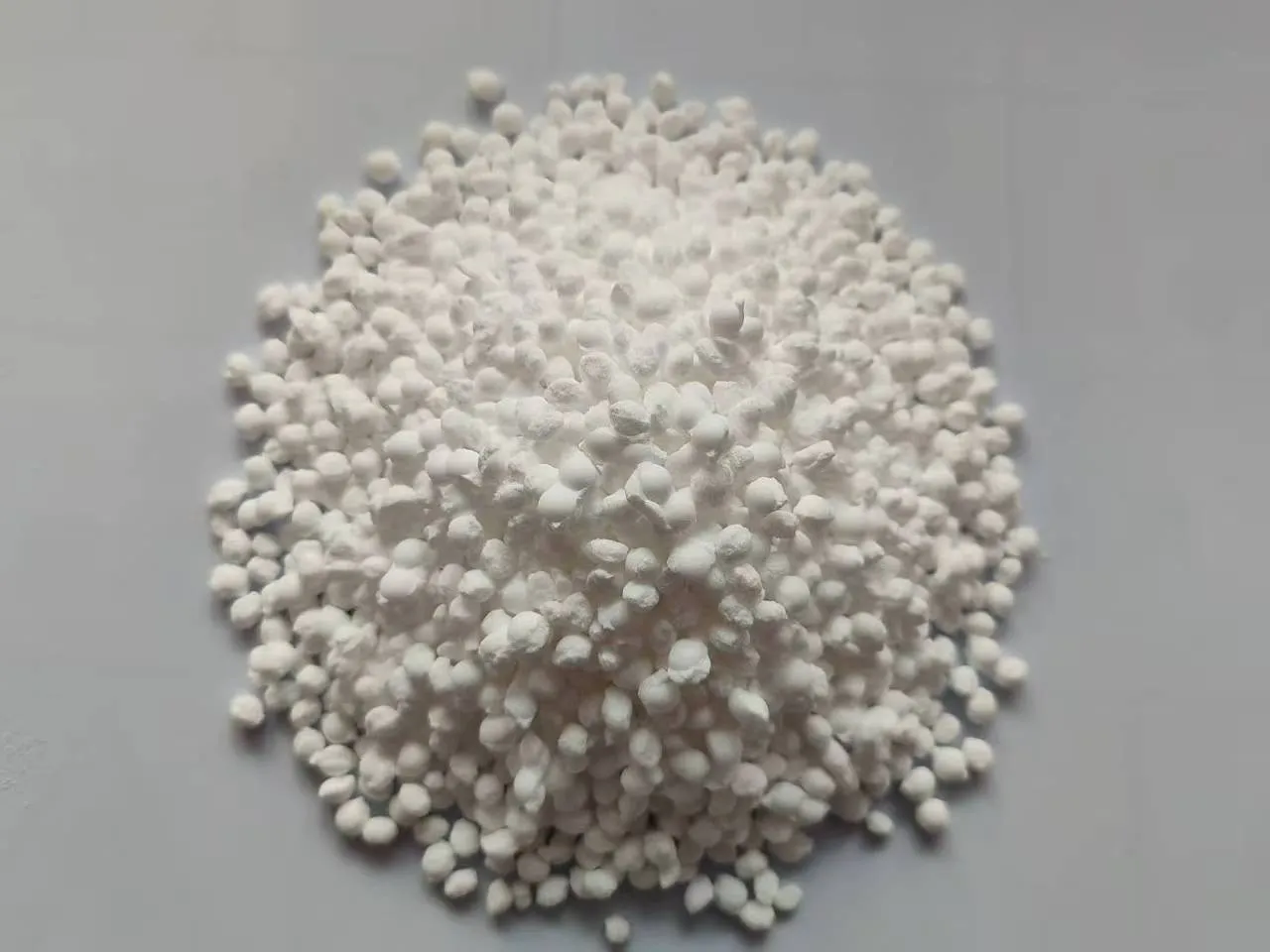
Potassium nitrate, commonly known as saltpeter, is a chemical compound that plays an essential role in various applications, from fertilizers to fireworks. But what makes it so special? The answer lies in its crystal structure.
In this article, we’ll explore the fascinating world of potassium nitrate’s crystal structure, including its arrangement, properties, and significance in inorganic chemistry.
What is Potassium Nitrate?
Potassium nitrate, with the chemical formula KNO₃, is an ionic compound made up of potassium (K⁺) ions and nitrate (NO₃⁻) ions. It’s a white, crystalline solid that is soluble in water, making it versatile for various industrial uses.
Key Properties of Potassium Nitrate
- Chemical Formula: KNO₃
- Molecular Weight: 101.1 g/mol
- Solubility: Soluble in water
- Melting Point: Approximately 334°C (633°F)
The Crystal Structure of Potassium Nitrate
The crystal structure of potassium nitrate is where it gets its unique properties. Understanding its arrangement helps us appreciate why it behaves the way it does.
The Orthorhombic Crystal System
Potassium nitrate crystallizes in the orthorhombic crystal system. This means it forms crystals with three unequal axes that are all at right angles to each other.

This orthorhombic structure is a key reason for potassium nitrate’s stability and solubility. The orthorhombic system is one of the seven crystal systems in inorganic chemistry, which also include cubic, tetragonal, hexagonal, trigonal, monoclinic, and triclinic systems.
Ionic Crystal Structure
The potassium nitrate crystal is an example of an ionic crystal structure. In this structure, positively charged potassium ions (K⁺) and negatively charged nitrate ions (NO₃⁻) are held together by strong ionic bonds. These bonds are the result of electrostatic attraction between the oppositely charged ions.
Arrangement of Ions
In the potassium nitrate lattice, each potassium ion is surrounded by nitrate ions, and vice versa. This arrangement creates a repeating pattern that extends in three dimensions, forming the crystal lattice.
The lattice structure is crucial for the compound’s properties. For example, the strong ionic bonds contribute to the high melting point of potassium nitrate. Additionally, the orderly arrangement allows for efficient packing, which is why potassium nitrate is dense and stable.
Significance in Inorganic Crystal Chemistry
Understanding the crystal structure of potassium nitrate isn’t just about knowing its physical form. It’s also about understanding its chemical behavior and applications.
Applications of Potassium Nitrate
- Fertilizers: Potassium nitrate is a major component in fertilizers, providing essential nutrients for plant growth. Its solubility ensures that plants can easily absorb the potassium and nitrogen it provides.
- Food Preservation: Historically, potassium nitrate has been used as a food preservative, especially in cured meats. It prevents the growth of bacteria and helps maintain the color of meat.
- Fireworks and Pyrotechnics: The compound is a key ingredient in gunpowder and fireworks. Its ability to release oxygen makes it an excellent oxidizer, which is essential for combustion.
- Pharmaceuticals: In the pharmaceutical industry, potassium nitrate is used in toothpaste to relieve tooth sensitivity.
The Role of Crystal Structure in Applications
The crystal structure of potassium nitrate directly influences its functionality in these applications. For instance, its solubility, derived from its ionic lattice, is crucial for its effectiveness as a fertilizer. Meanwhile, the stability provided by the orthorhombic structure is vital for safe handling in pyrotechnics.

Potassium Nitrate in the Context of Inorganic Chemistry
Inorganic chemistry is the study of inorganic compounds, and crystal chemistry is a branch that focuses on the structures and properties of crystals. Potassium nitrate serves as an excellent example of how crystal structure impacts chemical properties and applications.
Comparison with Other Ionic Compounds
When comparing potassium nitrate to other ionic compounds, its orthorhombic structure sets it apart. While many ionic compounds crystallize in cubic or hexagonal systems, potassium nitrate’s unique arrangement gives it distinct characteristics.
Molecular Structure and Chemical Reactions
The KNO₃ molecular structure, with its well-defined ionic lattice, also influences its behavior in chemical reactions. For example, during decomposition, potassium nitrate breaks down into potassium nitrite (KNO₂) and oxygen gas (O₂), a reaction utilized in various industrial processes.
Conclusion
The crystal structure of potassium nitrate is a testament to the intricate and beautiful world of inorganic chemistry. Its orthorhombic crystal system and ionic lattice not only define its physical form but also its chemical properties and applications.
By understanding the nitrate crystal arrangement and the potassium nitrate lattice, we gain insights into why this compound is so vital across different industries. Whether in agriculture, food preservation, or pyrotechnics, potassium nitrate’s structure is at the heart of its utility.
In exploring potassium nitrate, we see how fundamental concepts in chemistry, like crystal structure, play a pivotal role in real-world applications. This understanding not only enhances our appreciation for chemistry but also underscores the importance of studying the molecular structures that shape our world.
 English
 Arabic
 Spanish
 French