
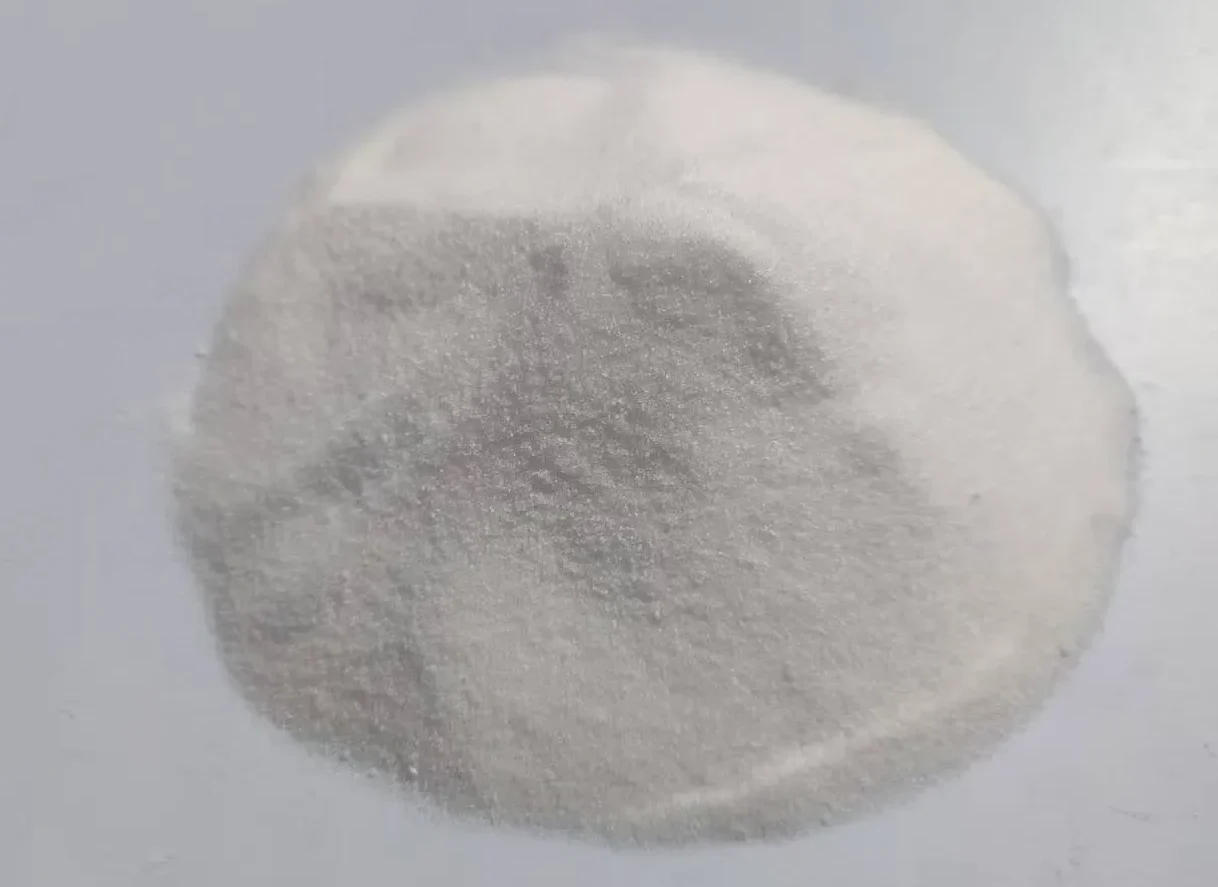
When you think about gunpowder, you might picture an explosion, a puff of smoke, or the powerful force propelling a bullet. But have you ever wondered what makes gunpowder so effective? One of the key ingredients in gunpowder is potassium nitrate. It plays a crucial role in ensuring that gunpowder performs its intended function efficiently. Let’s explore the role of potassium nitrate in gunpowder and why it’s such an essential component.
Gunpowder, also known as black powder, is one of the oldest known chemical explosives. Its invention revolutionized warfare, enabling the creation of firearms and artillery that changed the dynamics of battles and military strategies. Gunpowder’s development marked a significant transition from traditional weapons to more advanced technological warfare.
Gunpowder is composed of three main ingredients: potassium nitrate (KNO₃), charcoal, and sulfur. Each component plays a critical role in the explosive properties of gunpowder, working in harmony to create a powerful reaction.
- Potassium Nitrate: Also known as saltpeter, potassium nitrate is the oxidizing agent in the mixture. It provides the oxygen necessary for the combustion of the fuel components.
- Charcoal: Acts as the primary fuel for the reaction, providing the carbon needed for combustion. Charcoal is selected for its ability to burn quickly and at a high temperature.
- Sulfur: Lowers the ignition temperature and increases the speed of combustion. It facilitates a more rapid and complete reaction, enhancing the overall explosive power.
The Role of Potassium Nitrate
Potassium Nitrate as an Oxidizing Agent

One of the most important roles of potassium nitrate in gunpowder is that of an oxidizing agent. In chemistry, an oxidizing agent is a substance that provides oxygen to fuel the combustion reaction. In the case of gunpowder, potassium nitrate supplies the necessary oxygen to burn the charcoal and sulfur, which results in the rapid release of gases and energy. This process is crucial because, without an oxidizing agent, the fuel components would not combust effectively, and the explosive force would be significantly diminished.
Potassium nitrate’s ability to release oxygen quickly and efficiently is what makes it indispensable in the composition of gunpowder. It ensures that the reaction occurs at a speed that produces the desired explosive effect, making it a key factor in the functionality of firearms and artillery.
Potassium Nitrate and Combustion Reaction
The combustion reaction in gunpowder is what makes it explosive. When gunpowder ignites, the potassium nitrate decomposes to produce oxygen, which then reacts with the charcoal and sulfur. This reaction releases heat and expands gases rapidly, creating an explosive force. The rapid expansion of gases is what propels projectiles from firearms and generates the explosive effect seen in artillery.
The chemical reaction can be simplified as follows:
2KNO3+3C+S→K2S+N2+3CO2
This equation shows how potassium nitrate, charcoal, and sulfur react to produce potassium sulfide, nitrogen gas, and carbon dioxide, all of which contribute to the explosive properties of gunpowder. The gases produced expand quickly, driving the forceful reaction that is critical for the operation of weapons and fireworks.
Why Potassium Nitrate Is Used
Potassium Nitrate’s Chemical Properties

Potassium nitrate’s effectiveness in gunpowder is due to its chemical properties. It is highly soluble in water, which makes it easy to incorporate into the gunpowder mixture. This solubility ensures that the nitrate can be evenly distributed throughout the mixture, providing consistent performance. Additionally, potassium nitrate has a high oxygen content, which is crucial for the combustion process, allowing for a rapid and efficient reaction.
Another advantage of potassium nitrate is its stability. It is less reactive than other potential oxidizers, making it safer to handle and store. Its stability also contributes to the consistent performance of gunpowder, reducing the risk of accidental ignition and ensuring reliability in various conditions.
Historical Context
Historically, potassium nitrate was a readily available and affordable compound. It could be found naturally in deposits or produced through a process of nitrification, where organic material is decomposed in the presence of bacteria. This accessibility made it a practical choice for use in gunpowder, especially in a time when resources were limited and cost-effective solutions were necessary.
The availability of potassium nitrate significantly impacted historical events, as it enabled the mass production of gunpowder. This, in turn, facilitated the widespread use of firearms and artillery, altering military tactics and strategies. The role of potassium nitrate in history underscores its importance not only in chemistry but also in shaping the course of human events.
Other Uses of Potassium Nitrate
While potassium nitrate is best known for its role in gunpowder, it has several other applications that highlight its versatility and utility in various fields.
Fertilizer
Potassium nitrate is used as a fertilizer in agriculture due to its high nitrogen and potassium content. These nutrients are essential for plant growth and development, supporting processes such as photosynthesis and nutrient uptake. Farmers value potassium nitrate for its ability to promote healthy crop yields and improve soil fertility.
Its use in agriculture demonstrates how potassium nitrate contributes to food security and sustainable farming practices. By enhancing plant growth, it helps meet the demands of a growing global population, playing a critical role in modern agriculture.
Food Preservation
In the food industry, potassium nitrate is used as a preservative, particularly in the curing of meats. It helps prevent the growth of bacteria and extends the shelf life of food products, ensuring they remain safe and consumable for longer periods. This preservation capability is crucial in maintaining food quality and safety, reducing food waste and supporting efficient food supply chains.
Potassium nitrate’s role in food preservation showcases its importance in everyday life, highlighting how it impacts both industrial processes and consumer experiences by ensuring food remains fresh and safe.
Fireworks
Potassium nitrate is also a key ingredient in fireworks. It acts as an oxidizer, allowing the fuel in fireworks to burn brightly and produce colorful displays. The vibrant colors and explosive effects of fireworks are largely due to the efficient combustion facilitated by potassium nitrate.
Its use in fireworks illustrates how potassium nitrate contributes to cultural and celebratory events worldwide. By enabling spectacular displays, it enhances festivities and traditions, bringing people together in shared experiences of wonder and excitement.
Conclusion
Potassium nitrate is an essential component of gunpowder due to its role as an oxidizing agent. Its chemical properties make it an effective and stable choice for driving the combustion reaction that results in an explosion. Beyond gunpowder, potassium nitrate has various applications, from agriculture to food preservation. Understanding the role of potassium nitrate in gunpowder provides insight into the broader context of its uses and importance.
Whether you’re a history enthusiast, a chemistry student, or simply curious, knowing why potassium nitrate is used in gunpowder deepens your appreciation for this powerful compound and its impact on the world. Its contributions extend beyond the battlefield, influencing agriculture, food industries, and cultural celebrations, underscoring its versatility and enduring significance in human society.
 English
 Arabic
 Spanish
 French