
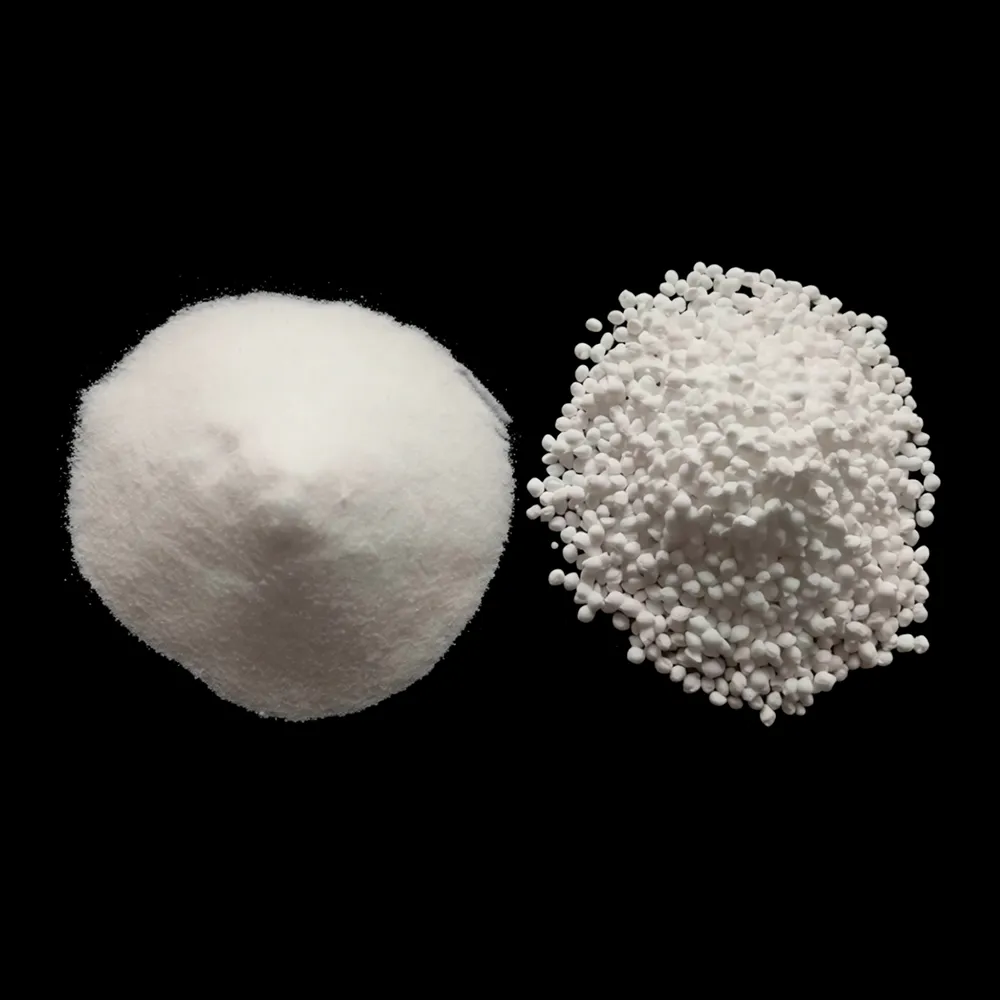
Did you know that potassium nitrate salt, a compound commonly associated with fertilizers, has a multitude of surprising applications that reach far beyond the agricultural sector? Often overshadowed by its role in promoting plant growth, this versatile substance has been quietly revolutionizing various fields, from food preservation to medical treatments. By stepping outside the traditional agricultural box, potassium nitrate salt continues to prove its worth in unexpected and ingenious ways.
For centuries, potassium nitrate has been utilized for purposes that might amaze you. Historically referred to as “saltpeter,” it played a pivotal role in ancient gunpowder production and continues to be a secret ingredient in some of our favorite cured meats. But that’s just the beginning. As science progresses, the uses of potassium nitrate salt are expanding into areas such as treating sensitive teeth, fire suppression systems, and even ice cream production! Prepare to venture beyond the predictable and explore how this unassuming compound is making waves across various industries.
The Historical Significance of Potassium Nitrate (Saltpeter)
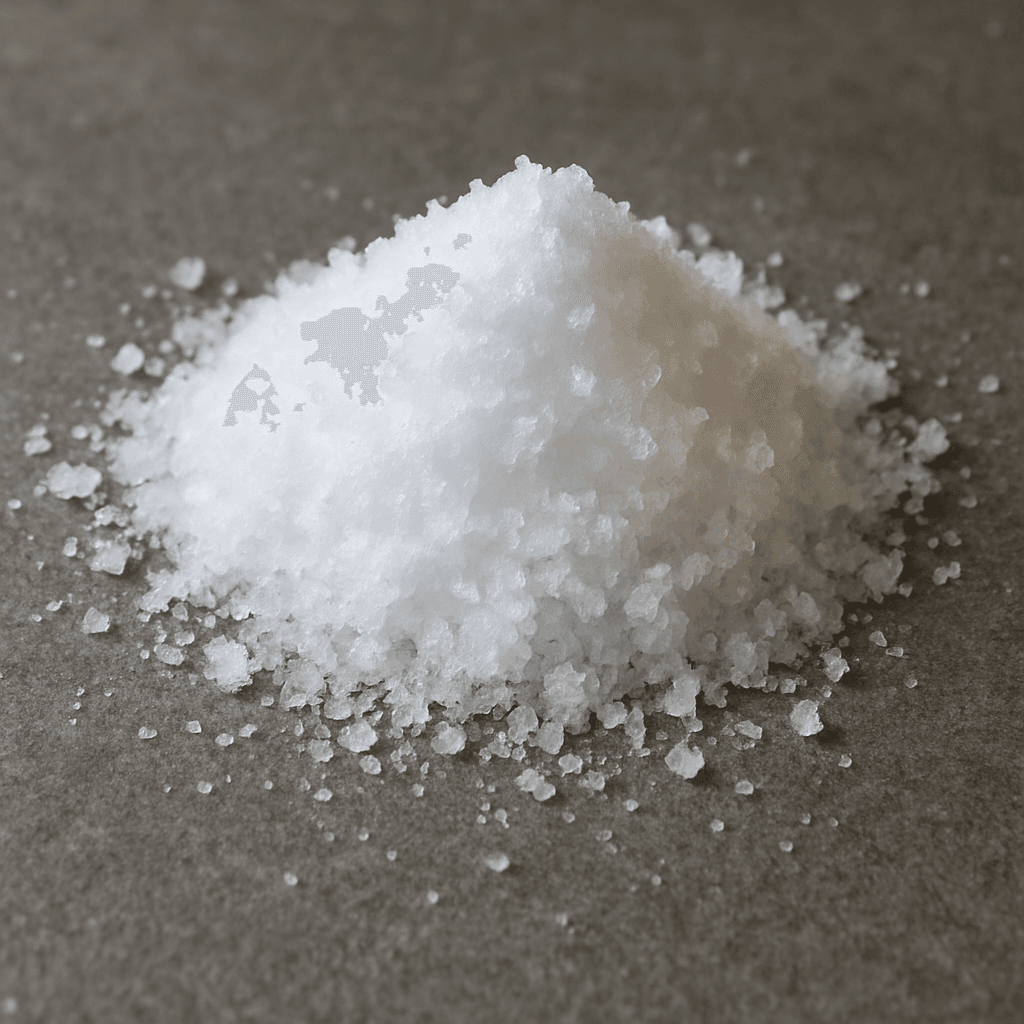
Potassium nitrate, commonly known as saltpeter, has been intertwined with human civilization for millennia. Archaeological records suggest that ancient Indian and Chinese alchemists produced early forms of saltpeter as they sought the elusive “philosopher’s stone.” By the 9th century, Arab scholars had documented rudimentary methods for isolating nitrate compounds from natural deposits. These early discoveries laid the groundwork for a substance that would dramatically influence warfare, agriculture, and technology across continents.
During the Middle Ages, European warfare and mining engineers prized saltpeter for its remarkable oxidizing properties. The ability of potassium nitrate to rapidly release oxygen when heated made it indispensable in the manufacture of black powder, dramatically shifting the balance of military power. Simultaneously, the growing demand for saltpeter fueled international trading networks, linking remote Himalayan deposits to European strongholds. As scientific understanding advanced, saltpeter’s reputation evolved from a mystical ingredient of alchemical lore into a cornerstone of industry, underscoring the multifaceted historical significance of potassium nitrate salt.
Potassium Nitrate in Gunpowder Production Through the Ages
From its alchemical origins to its pivotal role in modern military technology, potassium nitrate has been at the heart of gunpowder production for centuries. Early gunpowder, a blend of saltpeter, charcoal, and sulfur, revolutionized warfare by providing armies with unprecedented firepower. The optimal ratio—typically 75% potassium nitrate, 15% charcoal, and 10% sulfur—ensured maximum combustibility and stability, making it both powerful and transportable for battlefield use.
Over time, refinements in purification and granulation techniques elevated quality and consistency. In the 19th century, European chemists developed more efficient methods of crystallization, reducing impurities that could cause misfires or uneven burns. This not only improved performance but also enhanced safety for those handling large gunpowder stocks. Even today, the principle remains the same: potassium nitrate’s ability to rapidly generate oxygen drives combustion in firearms, fireworks, and controlled explosives. Despite newer propellants emerging, the historic legacy of saltpeter in gunpowder production remains an enduring testament to its powerful oxidizing properties.
Modern Applications of Potassium Nitrate in Cured Meats
Beyond its martial legacy, one of the most well-known culinary uses of potassium nitrate salt is in the curing of meats. Saltpeter’s antimicrobial properties inhibit the growth of dangerous bacteria such as Clostridium botulinum, ensuring safe preservation of hams, bacons, and sausages. When added in precise amounts, it also helps maintain a characteristic pink hue and accentuates the savory flavors prized in charcuterie.
In traditional charcuterie, craftsmen dissolve saltpeter in a brine solution, carefully measuring concentrations to comply with food safety regulations. This brine not only preserves texture but also contributes to the development of complex flavor compounds during aging. Over decades, small-scale artisans and large-scale manufacturers alike have relied on the use of potassium nitrate salt to deliver consistent, high-quality cured meats. Furthermore, advances in food science have led to stringent guidelines on nitrate content, ensuring consumers can enjoy classic delicacies with minimal health risks.
Unconventional Uses: Potassium Nitrate in Ice Cream Production
You might be surprised to learn that potassium nitrate salt has found its way into one of the sweetest corners of the food industry: ice cream. In specialized manufacturing processes, saltpeter serves as a temperature moderator during freezing. Controlling ice crystal formation helps produce a smoother, creamier texture that distinguishes premium ice creams from mass-produced varieties.
During rapid freezing, small ice crystals guarantee a velvety mouthfeel. Potassium nitrate’s endothermic reaction—absorbing heat as it dissolves—allows ice cream makers to fine-tune the cooling curve. This ensures consistent crystal size and prevents graininess. While unconventional, this application underscores the diverse and surprising uses of potassium nitrate salt, demonstrating its value beyond preservation and propulsion. In small-batch artisanal producers and large-scale factories alike, saltpeter remains a hidden hero in crafting that perfect scoop.
The Future Potential of Potassium Nitrate Beyond Fertilizers
As industries seek sustainable and innovative solutions, the versatility of potassium nitrate salt continues to unveil new opportunities. In environmental technology, researchers are exploring saltpeter’s potential in selective catalytic reduction systems to reduce industrial NOx emissions. By facilitating chemical reactions that convert harmful nitrogen oxides into innocuous nitrogen and water, potassium nitrate may play a vital role in cleaner air initiatives.
Additionally, emerging medical research highlights saltpeter’s efficacy in desensitizing tooth enamel. Dental products containing potassium nitrate deliver relief from hypersensitivity by blocking nerve channels within the dentin. Meanwhile, ongoing studies investigate its use in advanced phase-change materials for thermal energy storage, promising more efficient temperature regulation in buildings and electronics. With global emphasis on green technologies and health innovations, the uses of potassium nitrate salt are poised to expand even further, cementing its status as an indispensable compound for the future.
Conclusion
Potassium nitrate salt has journeyed from ancient alchemy to cutting-edge applications, proving itself far more versatile than its traditional role in agriculture. Whether preserving meats, enhancing fireworks, or smoothing ice cream, its unique chemical properties continue to drive innovation across diverse industries.
As research advances, we can expect even more surprising uses of this remarkable compound. From environmental remediation to medical therapies, potassium nitrate’s potential is limited only by our imagination.
 English
 Arabic
 Spanish
 French