
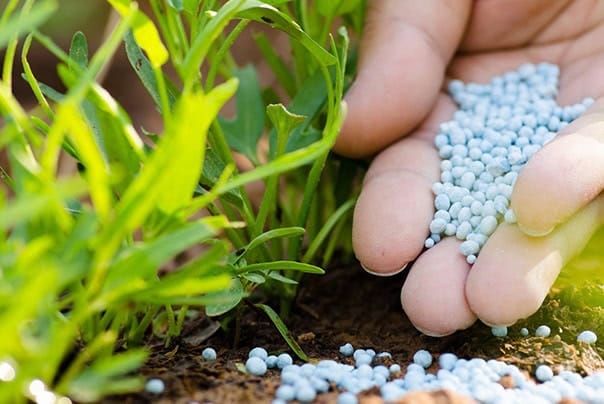
Stump removal can be a daunting task for homeowners and landowners alike. Whether it’s the remnants of a tree removed for aesthetic reasons or due to disease, dealing with a stubborn stump can be frustrating. Fortunately, potassium nitrate offers an effective chemical solution for stump removal. In this article, we’ll explore how potassium nitrate works to dissolve stumps, the process for using it, and other methods of chemical stump decomposition.

Chemical stump removal involves using substances to accelerate the natural decomposition process of a tree stump. This method is particularly useful for stumps that are too large or cumbersome to remove manually or with machinery. Among various chemicals, potassium nitrate is one of the most commonly used due to its effectiveness and relative safety.
What is Potassium Nitrate?
Potassium nitrate, also known by its chemical formula KNO3, is a naturally occurring mineral. It has a variety of uses, from food preservation to fertilizer. In the context of stump removal, potassium nitrate is valued for its ability to speed up the rotting process, making it an excellent choice for chemical stump decomposition.
How Does Potassium Nitrate Work for Stump Removal?
Potassium nitrate works by penetrating the stump and speeding up the natural decomposition process. The chemical encourages microbial activity that breaks down the wood fibers, softening the stump and making it easier to remove. This process is often referred to as “chemical stump decomposition” or “accelerated stump rot.”

Steps for Using Potassium Nitrate for Stump Removal
- Drill Holes into the Stump: Begin by drilling several holes into the top of the stump. These holes should be about 8 to 10 inches deep and spaced around 2 to 3 inches apart. This will allow the potassium nitrate to penetrate deeply into the wood.
- Add Potassium Nitrate: Pour potassium nitrate granules into each of the drilled holes. Ensure that each hole is filled to maximize the effectiveness of the treatment.
- Add Water: After filling the holes with potassium nitrate, pour hot water into each hole. This helps dissolve the potassium nitrate, allowing it to soak into the wood more effectively.
- Cover the Stump: To keep the stump moist and to prevent animals or children from coming into contact with the chemical, cover the stump with a tarp or plastic sheet.
- Wait for Decomposition: Over the next several weeks to months, the potassium nitrate will encourage the stump to decompose. Regularly check the stump and add more water if it begins to dry out.
- Remove the Stump: Once the stump has sufficiently decomposed, it should be soft enough to break apart with a shovel or pickaxe. Any remaining pieces can be burned or left to decompose naturally.
Benefits of Using Potassium Nitrate for Stump Removal
Using potassium nitrate for stump removal has several advantages:
- Cost-Effective: Compared to hiring professional stump removal services, using potassium nitrate is relatively inexpensive.
- Ease of Use: The process is straightforward and can be done with basic tools.
- Minimal Environmental Impact: Potassium nitrate is a naturally occurring substance and is considered safe when used as directed.
- Efficiency: While not instantaneous, potassium nitrate significantly speeds up the decomposition process compared to natural rotting.
Alternative Stump Removal Methods
While potassium nitrate is a popular choice, other methods for stump removal exist:
Manual Removal
For smaller stumps, manual removal with tools like an axe, shovel, and root saw can be effective. However, this method is labor-intensive and may not be suitable for larger stumps.
Mechanical Removal
Using machinery like a stump grinder can quickly remove stumps, but this option is often more expensive and may require professional assistance.
Burning
Once the stump has been treated with potassium nitrate and has softened, burning can be a viable method of removal. However, this method requires caution and adherence to local fire regulations.
Other Chemical Treatments
Besides potassium nitrate, other chemicals like sulfuric acid or glyphosate can be used, but they often come with higher environmental risks and safety concerns.
Safety Precautions When Using Potassium Nitrate

When using potassium nitrate or any chemical for stump removal, safety should be a top priority:
- Wear Protective Gear: Always wear gloves and eye protection when handling chemicals.
- Follow Instructions: Carefully read and follow the instructions provided with the potassium nitrate product.
- Keep Away from Children and Pets: Ensure that the treated area is not accessible to children or pets.
- Check Local Regulations: Before using chemicals, verify that you comply with any local regulations regarding chemical use and tree removal.
Conclusion
Potassium nitrate offers an efficient and cost-effective method for stump removal, making it a popular choice for many homeowners and landowners. Accelerating the decomposition process simplifies the task of dealing with unwanted stumps. Whether you’re dealing with a single stump or multiple, understanding the process and benefits of using potassium nitrate can help you manage your landscape with ease. Always remember to prioritize safety and adhere to local guidelines when using chemical treatments.
 English
 Arabic
 Spanish
 French