
In the world of chemistry, reactions between different compounds often lead to fascinating results. One such interesting reaction is between lead nitrate and potassium iodide. This article delves into the details of this reaction, explaining the process and the products formed.
Before we dive into the reaction, let’s understand the two reactants involved:
Lead Nitrate
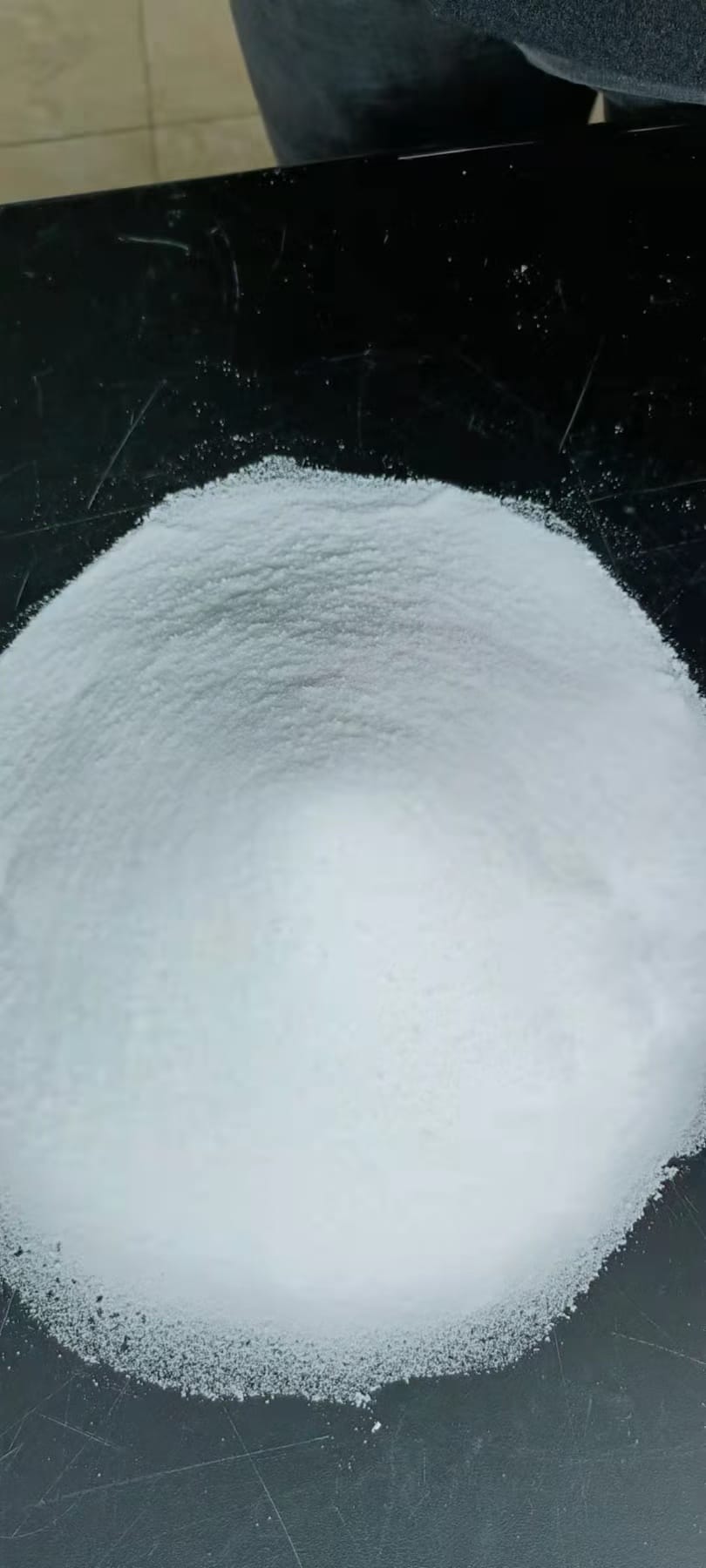
Lead nitrate is a chemical compound with the formula Pb(NO₃)₂. It appears as a colorless crystalline solid or white powder. This compound is soluble in water and is often used in the production of lead paints and other lead compounds.
Potassium Iodide
Potassium iodide, on the other hand, is a chemical compound with the formula KI. It is a white crystalline salt that is also soluble in water. Potassium iodide is commonly used in medicine, photography, and as a nutritional supplement to prevent iodine deficiency.
The Reaction Process
When lead nitrate and potassium iodide are mixed in an aqueous solution, a double displacement reaction occurs. This type of reaction is characterized by the exchange of ions between the two compounds.
Chemical Equation
The balanced chemical equation for the reaction is:
[ \text{Pb(NO}_3\text{)}_2 (aq) + 2 \text{KI} (aq) \rightarrow \text{PbI}_2 (s) + 2 \text{KNO}_3 (aq) ]
In this equation:
- Pb(NO₃)₂ is lead nitrate
- KI is potassium iodide
- PbI₂ is lead(II) iodide
- KNO₃ is potassium nitrate
Observations During the Reaction

When lead nitrate and potassium iodide solutions are mixed, a bright yellow precipitate of lead(II) iodide (PbI₂) forms. This is a visual cue that the reaction has occurred. The yellow color is characteristic of lead(II) iodide, which is insoluble in water.
The potassium nitrate (KNO₃) remains dissolved in the solution since it is soluble in water. As a result, the solution will appear clear with a yellow solid suspended in it.
Products of the Reaction
Lead(II) Iodide
Lead(II) iodide, the yellow precipitate, is the primary product of the reaction. It is an insoluble salt, which is why it precipitates out of the solution. Lead(II) iodide has various applications, including use in the manufacturing of solar cells and in laboratory experiments as a source of lead ions.
Potassium Nitrate
Potassium nitrate remains in the aqueous phase as it is soluble in water. This compound is commonly known as saltpeter and has applications in fertilizers, food preservation, and fireworks.
Why This Reaction is Important
The reaction between lead nitrate and potassium iodide is a classic example used in chemistry education to demonstrate double displacement reactions and precipitation reactions. It helps students visualize the formation of a precipitate and understand the concept of solubility.
Environmental and Safety Considerations

It’s important to note that lead compounds, including lead nitrate and lead(II) iodide, are toxic. Proper safety precautions should be taken when handling these substances. Use gloves, goggles, and work in a well-ventilated area or under a fume hood. Always dispose of lead-containing waste according to local regulations to minimize environmental impact.
Practical Applications
While the reaction is primarily used for educational purposes, understanding it can be beneficial in various practical scenarios:
- Chemical Analysis: Identifying the presence of lead ions in a solution.
- Material Science: Utilizing lead(II) iodide in the production of photovoltaic materials.
Conclusion
The reaction between lead nitrate and potassium iodide is more than just a classroom experiment; it’s a gateway to understanding chemical reactions, solubility, and the formation of precipitates. By observing the transformation from clear solutions to a vibrant yellow precipitate, one can appreciate the dynamic nature of chemical processes.
By mastering this reaction, students and enthusiasts can gain a deeper appreciation for the intricate world of chemistry and the reactions that define it. Remember always to practice safe laboratory techniques, especially when dealing with toxic compounds like lead nitrate.
 English
 Arabic
 Spanish
 French