
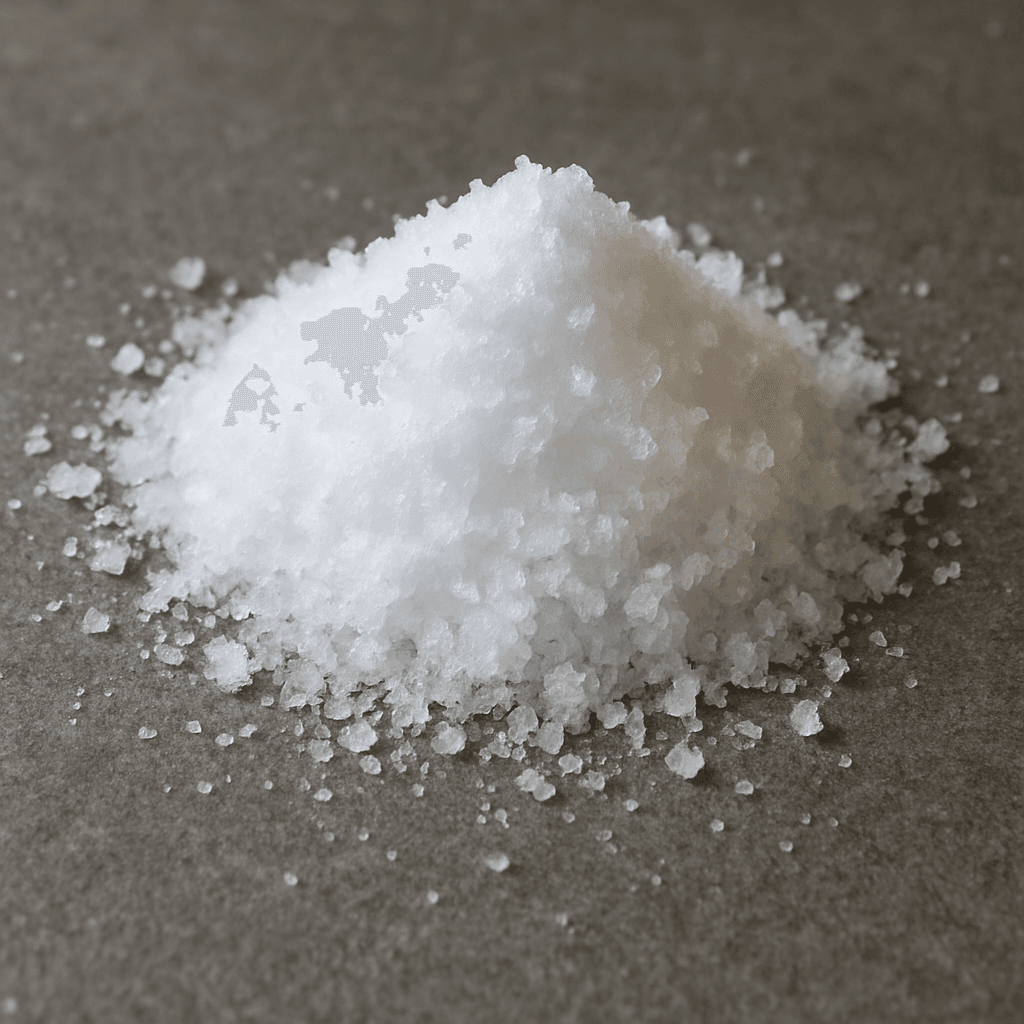
Potassium nitrate, often known by its chemical formula KNO3, is a compound that finds its use in fertilizers, fireworks, and even in the food industry as a preservative. However, when dissolved in water, separating it can be a bit tricky if you don’t know the right steps. This guide will walk you through the process of extracting potassium nitrate from a water solution using various methods, including crystallization and evaporation.

Before diving into the separation process, it’s crucial to understand the solubility of potassium nitrate. Solubility refers to the ability of a substance to dissolve in a solvent, in this case, water. Potassium nitrate is highly soluble in water, meaning it can dissolve easily when mixed. However, its solubility changes with temperature, which is a key factor in the extraction process.
Solubility and Temperature
Potassium nitrate’s solubility increases with temperature. At higher temperatures, more potassium nitrate can dissolve in water. Conversely, as the temperature drops, its solubility decreases, causing it to crystallize out of the solution. This property is essential for the crystallization process.
Methods of Separating KNO3
There are several methods to separate potassium nitrate from water. The most common and effective methods include cooling crystallization and evaporation. Let’s explore these methods in detail.
Cooling Crystallization
Cooling crystallization is a technique that utilizes the temperature-dependent solubility of potassium nitrate. Here’s how you can perform this method:
- Prepare the Solution: Dissolve the potassium nitrate in hot water. The amount of water will depend on how much potassium nitrate you need to dissolve. Ensure the solution is saturated, meaning no more potassium nitrate can dissolve.
- Cool the Solution: Slowly allow the solution to cool. As it cools, the solubility of potassium nitrate decreases, and it begins to form crystals. For better results, place the solution in a refrigerator to accelerate the cooling process.
- Collect the Crystals: Once the solution has cooled and crystals have formed, filter them out. Use a coffee filter or fine sieve to separate the crystals from the liquid.
- Dry the Crystals: Spread the crystals on a paper towel or dish and let them dry completely. You now have purified potassium nitrate.

Evaporation Method
Evaporation is another effective method for separating KNO3. This method involves removing the water through heat, leaving the potassium nitrate behind:
- Boil the Solution: Pour the KNO3 solution into a pan and heat it. As the water evaporates, the concentration of potassium nitrate increases.
- Continue Heating: Allow the solution to boil until most of the water has evaporated. You’ll notice crystals starting to form as the solution becomes saturated.
- Cool and Collect: Once enough water has evaporated, remove the pan from the heat and let it cool. Filter out the crystals as described in the cooling crystallization method.
- Dry the Crystals: Place the collected crystals on a dry surface to remove any remaining moisture.
Crystallization Process KNO3
The crystallization process is central to both methods discussed above. By leveraging the solubility characteristics of KNO3, you can efficiently extract and purify it from a water solution. Here’s a closer look at what happens during crystallization:
- Nucleation: As the solution cools or water evaporates, small clusters of potassium nitrate molecules come together to form the initial crystal structure.
- Crystal Growth: These small clusters grow as more potassium nitrate molecules attach to them, forming larger crystals. The rate of crystal growth can be influenced by temperature, concentration, and impurities in the solution.
Tips for Successful Extraction
- Purity Matters: To achieve high purity, ensure the initial potassium nitrate is free from impurities. Impurities can affect the crystallization process and the quality of the final product.
- Controlled Cooling: For cooling crystallization, avoid rapid cooling as it can lead to the formation of small, impure crystals. Slow, controlled cooling yields better results.
- Evaporation Control: During evaporation, avoid overheating as it can lead to the decomposition of potassium nitrate.
- Use of Desiccants: After drying, store potassium nitrate with desiccants to prevent moisture absorption, which can affect its purity and performance.
Safety Precautions

While working with potassium nitrate, it’s essential to follow safety guidelines:
- Wear Protective Gear: Use gloves and safety goggles to protect your skin and eyes from potential splashes.
- Well-Ventilated Area: Perform the evaporation method in a well-ventilated area to avoid inhaling fumes.
- Heat Sources: Be cautious with heat sources to prevent burns or accidents.
Conclusion
Separating potassium nitrate from water may seem daunting, but with the right techniques, it becomes a straightforward process. Whether you choose cooling crystallization or evaporation, understanding the solubility and crystallization process is key to success. By following the steps outlined in this guide, you’ll be able to extract high-quality potassium nitrate for your needs. Remember to adhere to safety precautions and enjoy the process of purifying this versatile compound.
 English
 Arabic
 Spanish
 French