
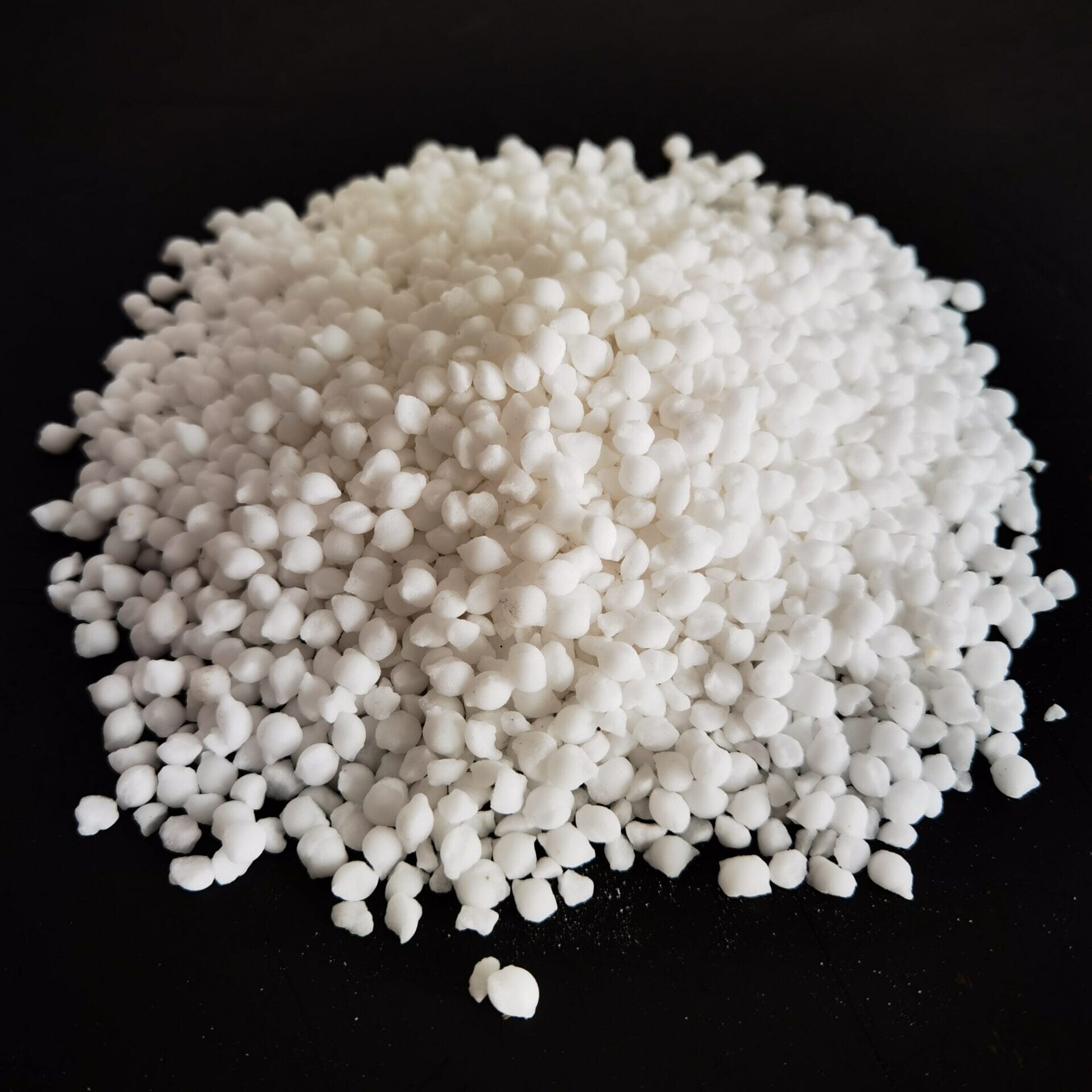
Potassium nitrate, often known as saltpeter, is a compound with various practical applications, ranging from fertilizers to food preservation. However, one of its most fascinating attributes is its crystal structure. In this article, we’ll delve into the unique shapes of potassium nitrate crystals, exploring their formation, structure, and significance.

To appreciate the unique shapes of potassium nitrate crystals, it’s essential first to understand what potassium nitrate is. Chemically represented as KNO3, potassium nitrate is a crystalline salt composed of potassium, nitrogen, and oxygen. Its uses span agriculture, where it acts as a fertilizer, to pyrotechnics and food preservation.
The Orthorhombic Crystal System
When we talk about the shape of potassium nitrate crystals, we are referring to their classification within the orthorhombic crystal system. Crystals in this system are characterized by three mutually perpendicular axes that are of different lengths. This system gives rise to prismatic crystals, where the faces of the crystals form elongated shapes.
The Formation of Potassium Nitrate Crystals

The formation of potassium nitrate crystals is a fascinating process that involves the careful arrangement of molecules into a defined structure. This process is influenced by factors like temperature, concentration, and the presence of impurities.
Crystallization Process
The crystallization process begins with the dissolution of potassium nitrate in water. As the solution cools, the molecules begin to arrange themselves into a solid, crystalline form. If the cooling process is gradual, it allows for larger, more defined crystals to form. Conversely, rapid cooling may result in smaller, less distinct crystals.
Influences on Crystal Shape
Various factors can influence the final shape and size of potassium nitrate crystals. Temperature is a major factor, as it affects the rate of crystallization. Impurities within the solution can also alter crystal growth, sometimes leading to irregular shapes. By controlling these conditions, it is possible to manipulate the shape and size of the resulting crystals.
The Unique Characteristics of Potassium Nitrate Crystals
The unique shape of potassium nitrate crystals makes them a subject of interest for both scientific and practical applications.
Prismatic Crystal Shapes
In the orthorhombic crystal system, potassium nitrate crystals often take on prismatic shapes. These are elongated and resemble prisms, with clear, flat faces and sharp edges. The precise angles and faces of these crystals are what give them their distinct appearance.
Applications of Crystal Shapes
The specific shapes of potassium nitrate crystals can be advantageous in various applications. For example, in fertilizers, the shape can influence how the compound dissolves in soil, affecting its release rate and effectiveness. In pyrotechnics, the shape of the crystals can affect the burn rate and intensity of fireworks.
The Significance of Crystal Structure in Applications
Understanding the crystal structure of potassium nitrate is not just a scientific curiosity but has practical implications in different fields.
Fertilizer Industry
In the fertilizer industry, the shape and structure of potassium nitrate crystals are crucial. The prismatic shape allows for a controlled release of nutrients in the soil, enhancing its effectiveness as a fertilizer. This slow release is beneficial for plant growth, ensuring that nutrients are available over a longer period.
Pyrotechnics
In pyrotechnics, the crystal shape of potassium nitrate influences how it combusts. The uniformity and size of the crystals can determine the intensity and duration of the reaction, which is essential for creating precise and spectacular firework displays.
Food Preservation
In food preservation, potassium nitrate’s crystalline structure plays a role in its ability to prevent spoilage. The uniform crystal shape allows for even distribution within cured meats, aiding in the preservation process and extending shelf life.
Conclusion
With their distinct prismatic shapes, they are more than just a chemical curiosity. Their unique structure within the orthorhombic crystal system influences their application in agriculture, pyrotechnics, and food preservation. Understanding the formation and characteristics of these crystals not only provides insight into their functionality but also underscores the intricate relationship between chemical structure and practical application.
By exploring the unique shapes of potassium nitrate crystals, we gain a deeper appreciation for the science that underpins their many uses. Whether you are a chemist, a farmer, or simply curious about the natural world, the study of these crystals offers valuable insights into the fascinating world of chemical structures and their practical applications.
 English
 Arabic
 Spanish
 French