
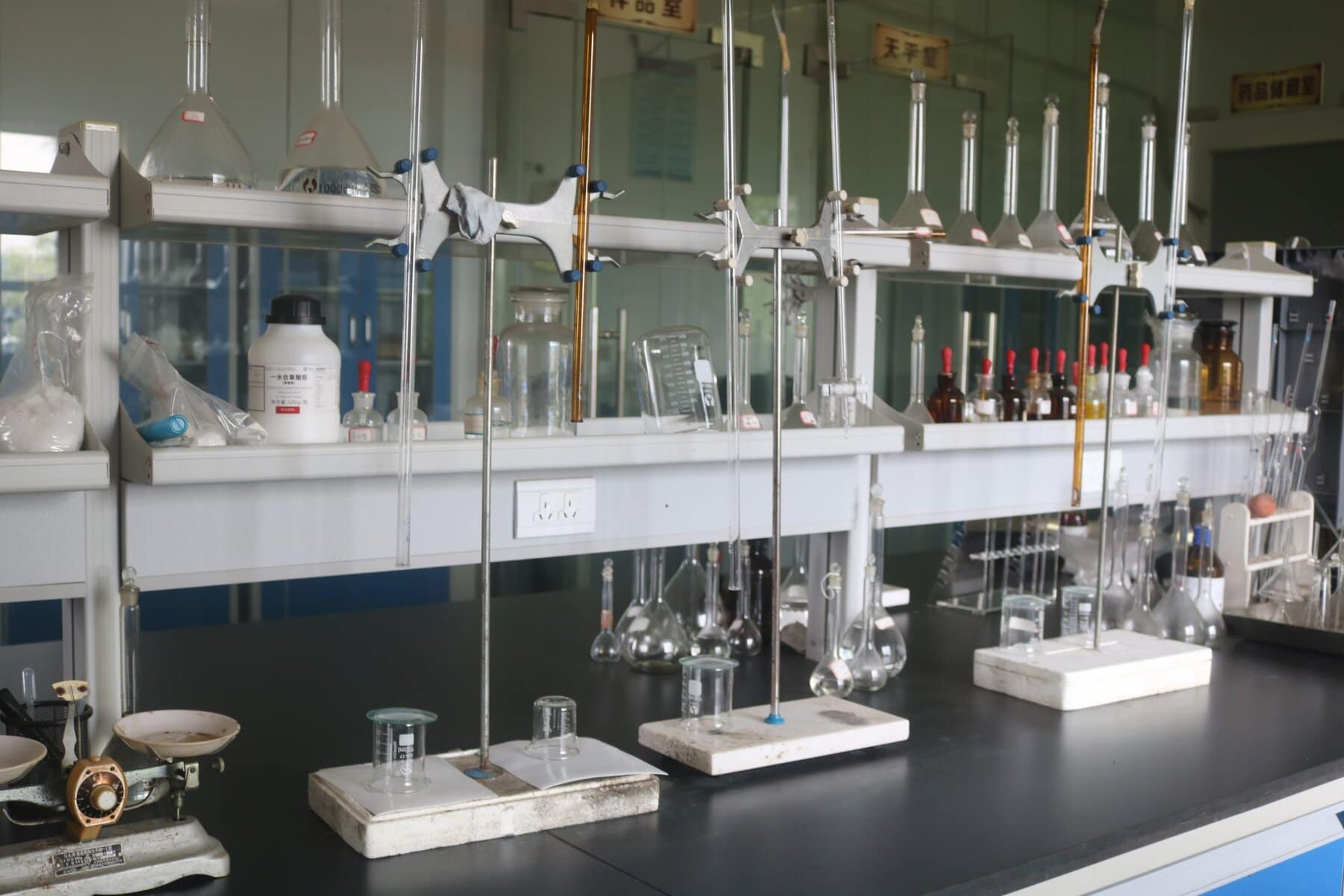
The interaction between sodium chloride (NaCl) and potassium nitrate (KNO3) under heat is a fascinating topic for chemistry enthusiasts and professionals alike. Understanding the chemical reactions and thermal behaviors of these compounds provides insights into their compatibility and potential applications. Let’s delve into the processes and implications of heating these salts.
Sodium chloride and potassium nitrate are both ionic compounds. NaCl is commonly known as table salt, whereas KNO3 is an oxidizer often used in fertilizers, fireworks, and food preservation. When subjected to heat, these compounds exhibit unique behaviors due to their chemical structures and bonding.

Thermal Decomposition of KNO3
One of the key reactions to consider is the thermal decomposition of potassium nitrate. Upon heating, KNO3 breaks down into potassium nitrite (KNO2) and oxygen (O2). This reaction can be represented as:
2KNO3(s)→2KNO2(s)+O2(g)
This decomposition process is significant because it releases oxygen, which can further react with other substances present in the mixture, potentially leading to complex reaction pathways.
Chemical Compatibility of Salts
When considering the chemical compatibility of sodium chloride and potassium nitrate, it is crucial to understand how these compounds interact under heat. In general, NaCl is relatively inert and does not react with KNO3 directly. However, the presence of oxygen released from the thermal decomposition of KNO3 can facilitate secondary reactions if other reactive materials are present.
Heating Oxidizer Interactions
In scenarios where sodium chloride and potassium nitrate are heated together, the focus shifts to the potential interactions facilitated by the oxygen evolved from KNO3. This oxygen can act as an oxidizing agent, promoting combustion or other chemical reactions if compatible reactants are available.

Practical Implications
Understanding the heating interactions between NaCl and KNO3 is valuable for several applications:
- Pyrotechnics: The controlled release of oxygen from KNO3 is exploited to produce colorful displays in fireworks.
- Chemical Synthesis: Knowledge of these reactions aids in designing processes where oxidizing conditions are required.
- Safety Considerations: Recognizing the potential for secondary reactions helps in mitigating risks in laboratory or industrial settings.
Conclusion
The sodium chloride and potassium nitrate reaction under heat is a classic example of how ionic compounds behave in thermal environments. While NaCl remains largely unreactive, the decomposition of KNO3 and subsequent oxygen release can lead to a variety of chemical interactions. This understanding is essential for applications ranging from pyrotechnics to chemical manufacturing. By appreciating the chemical compatibility and behavior of these salts, scientists and engineers can harness their properties safely and effectively.
Feel free to explore these reactions further in a controlled laboratory setting, and always prioritize safety when working with chemical compounds.
 English
 Arabic
 Spanish
 French