
Removing a tree stump can be a challenging task, especially if you’re dealing with a large or stubborn one. Fortunately, there’s a practical and efficient solution: using potassium nitrate. This chemical not only accelerates the decomposition of tree stumps but is also easy to apply, making it a popular choice for gardeners and homeowners. In this article, we will explore how to use potassium nitrate for stump removal effectively.
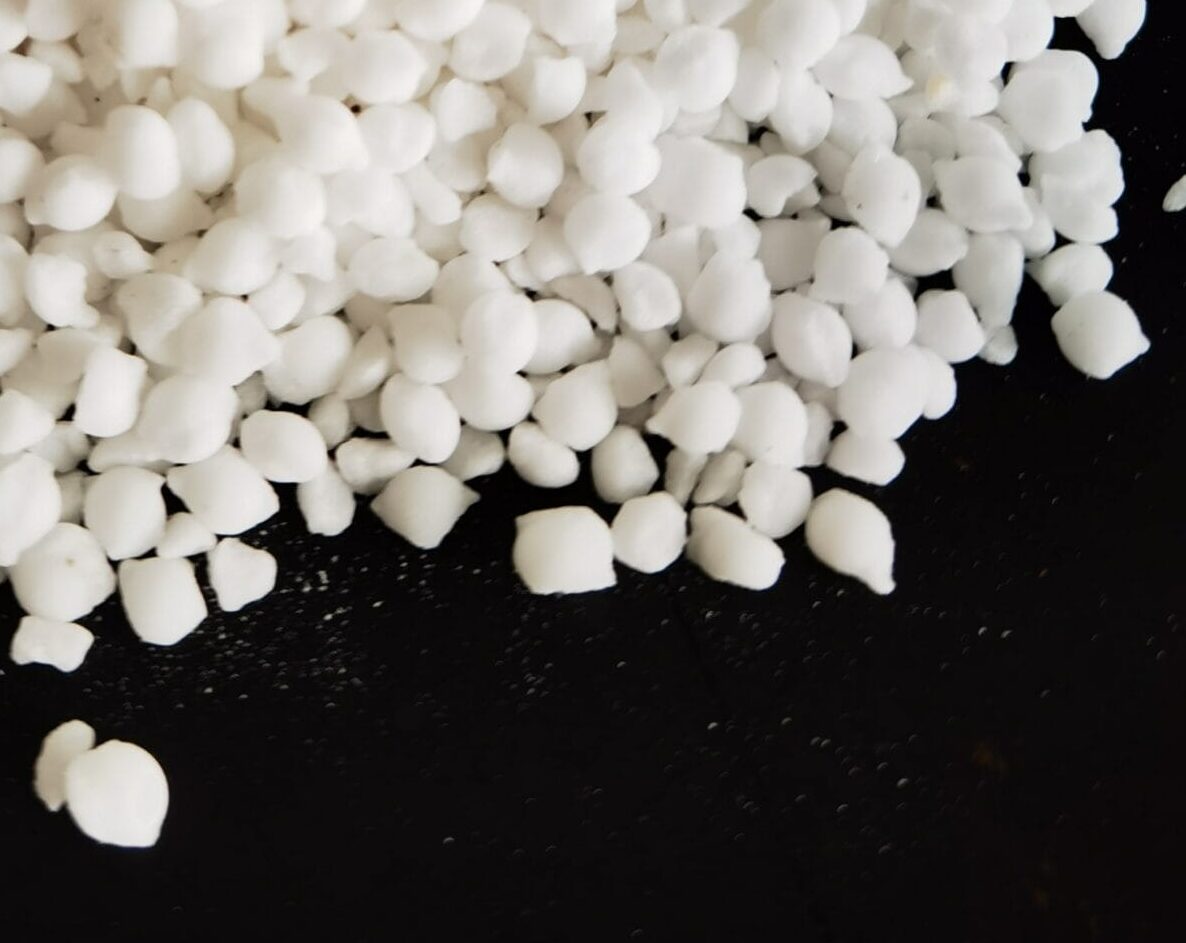
Potassium nitrate, often referred to as saltpeter, is a chemical compound that has a variety of uses, from food preservation to fertilizer. In the context of stump removal, potassium nitrate acts as a stump-rotting agent. It works by breaking down the wood fibers, thereby accelerating the decomposition process.
Why Use Potassium Nitrate for Stump Removal?
There are several reasons why potassium nitrate is favored for garden stump removal:
- Efficiency: Potassium nitrate speeds up the natural rotting process, making stump removal quicker and less labor-intensive.
- Cost-Effective: It is an affordable chemical stump treatment compared to hiring professional stump removal services.
- Safety: When used correctly, potassium nitrate is safe for the environment and poses minimal risk to surrounding vegetation.
Preparing for Stump Removal

Before applying potassium nitrate, there are a few steps you need to follow to prepare the stump for treatment:
Step 1: Cut the Stump
Trim the stump as close to the ground as possible using a chainsaw or handsaw. The lower the stump, the faster the potassium nitrate can work its magic.
Step 2: Drill Holes into the Stump
Using a power drill with a large bit (about 1 inch), drill several holes into the top of the stump. Space the holes evenly across the surface and make them as deep as possible. This will allow the potassium nitrate to penetrate the stump effectively.
Step 3: Create Side Holes
Drill additional holes into the sides of the stump, angling them downward. These holes should intersect with the ones on top, allowing for better distribution of the chemical.
Applying Potassium Nitrate
Once the stump is prepared, you can begin the application of potassium nitrate:
Step 1: Fill the Holes with Potassium Nitrate
Pour potassium nitrate granules into each of the drilled holes. Ensure each hole is filled to the top to maximize the effect of the stump rotting agent.
Step 2: Add Hot Water
Carefully pour hot water into the holes filled with potassium nitrate. The hot water will help dissolve the chemical, allowing it to seep deeper into the wood. This step is crucial for accelerating stump decomposition.
Step 3: Cover and Wait
Cover the treated stump with a tarp or plastic sheet to protect it from rain and prevent the chemical from washing away. Over the next few weeks to months, the potassium nitrate will work to decompose the stump.
Monitoring the Decomposition Process

After applying potassium nitrate, you’ll want to monitor the stump’s progress:
Regular Checks
Check the stump periodically to see how the decomposition is progressing. The time it takes for the stump to rot will depend on its size and the amount of potassium nitrate used.
Reapplication
If the stump isn’t decomposing as quickly as expected, you may need to reapply the potassium nitrate. Simply repeat the process of drilling holes, filling them with the chemical, and adding hot water.
Removing the Stump
Once the stump has sufficiently rotted, removal becomes straightforward:
Break Up the Stump
Use a shovel, axe, or pickaxe to break up the softened wood. The stump should be much easier to remove at this stage due to the weakened structure.
Dispose of the Debris
Collect the wood debris and dispose of it according to local regulations. You can also use the decomposed material as mulch in your garden.
Alternative Methods and Considerations
While potassium nitrate is a highly effective method for stump removal, there are alternative approaches you might consider:
Natural Stump Removal
For those seeking a completely natural stump removal method, allowing the stump to decompose on its own is an option. However, this process can take several years without the aid of chemicals.
Professional Stump Removal Services
If you prefer not to tackle stump removal yourself, hiring a professional service is a convenient, albeit more expensive, option.
Safety Precautions
When using potassium nitrate, it’s essential to follow safety guidelines:
- Wear Protective Gear: Use gloves and safety goggles to protect yourself from chemical exposure.
- Keep Away from Children and Pets: Ensure that children and pets do not come into contact with the chemical.
- Proper Storage: Store potassium nitrate in a cool, dry place away from direct sunlight and moisture.
In conclusion, potassium nitrate offers an efficient and cost-effective solution for tree stump removal. By following the steps outlined in this guide, you can safely and effectively decompose and remove unwanted stumps from your garden or yard. With patience and care, you’ll soon have a clear, stump-free space ready for your next landscaping project.
 English
 Arabic
 Spanish
 French