
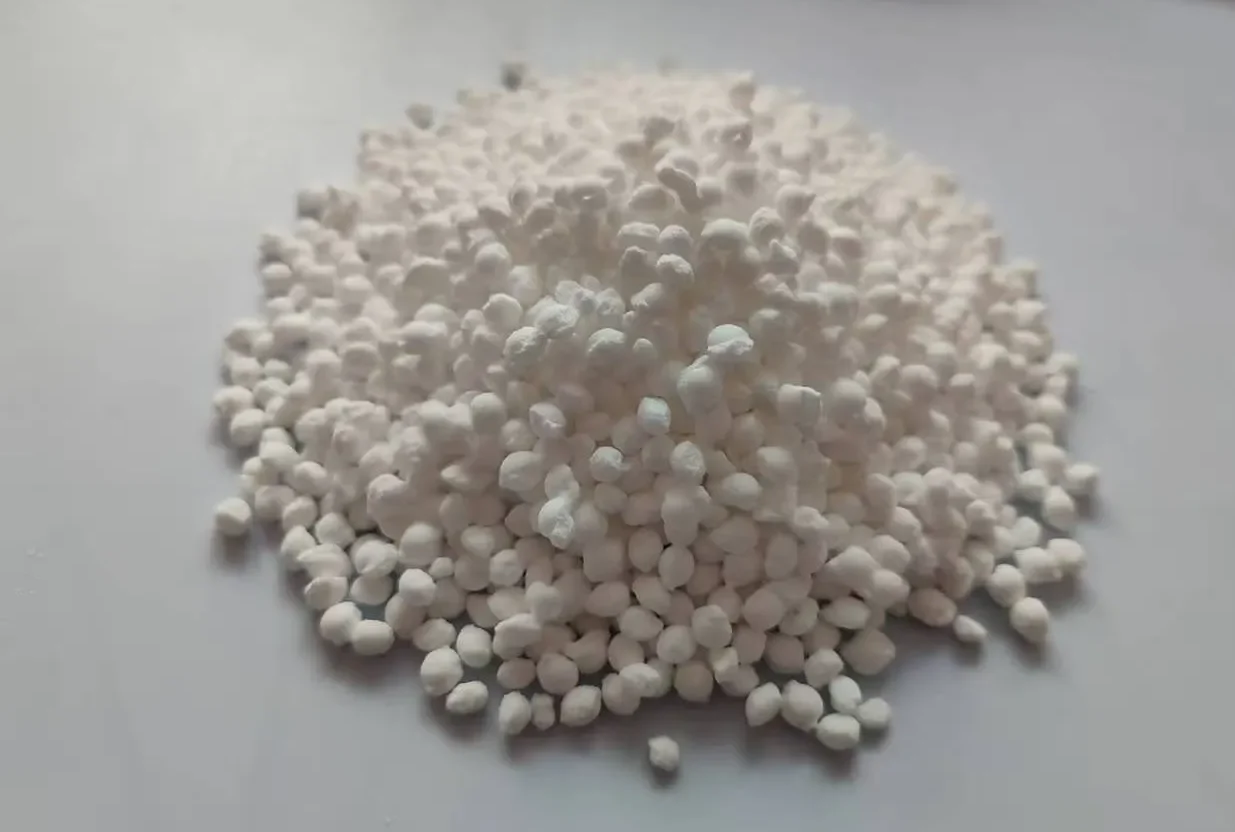
Growing potassium nitrate crystals can be a fascinating and rewarding process, whether you’re a hobbyist chemist or a student working on a school project. Potassium nitrate, also known as KNO3, is a common chemical compound with a variety of applications, from fertilizers to food preservation. In this guide, we will explore the essential techniques for successfully growing potassium nitrate crystals, covering everything from the preparation of the solution to the cooling process.
Before diving into the crystal-growing process, it’s important to understand what potassium nitrate is and its properties. Potassium nitrate is a white crystalline salt composed of potassium, nitrogen, and oxygen. It is highly soluble in water, which makes it ideal for recrystallization—a method used to purify chemicals.

Preparing the Potassium Nitrate Solution
The first step in growing potassium nitrate crystals is to prepare a saturated solution. This involves dissolving as much potassium nitrate as possible in hot water. Here’s how to do it:
Materials Needed
- Potassium nitrate powder
- Distilled water
- Heat source (such as a hot plate)
- Beaker or heat-resistant container
- Stirring rod
- Thermometer
Steps to Prepare the Solution
- Measure the Water: Start by measuring a specific amount of distilled water. The exact amount will depend on how many crystals you wish to grow.
- Heat the Water: Place the water in a beaker and heat it using a hot plate. The water should be heated to around 60-80°C (140-176°F).
- Add Potassium Nitrate: Gradually add potassium nitrate powder to the hot water while stirring continuously. Continue adding until no more can dissolve, indicating a saturated solution.
- Cool the Solution: Once the solution is saturated, remove it from the heat and allow it to cool slowly to room temperature. As the solution cools, potassium nitrate crystals will begin to form.

Crystal Growth Steps
Growing large, high-quality crystals requires patience and careful attention to detail. Follow these steps to ensure optimal crystal growth:
Seeding the Solution
Seeding is the process of introducing a small “seed” crystal into the solution to encourage uniform crystal growth.
- Prepare a Seed Crystal: If you have leftover potassium nitrate from the preparation, set aside a small amount to serve as a seed crystal.
- Introduce the Seed: Once the solution has cooled, gently introduce the seed crystal. This will act as a nucleus for further crystal growth.
Monitoring Crystal Growth
- Control the Environment: Place the beaker in a location where it will be undisturbed. Avoid areas with temperature fluctuations or vibrations, which can affect crystal formation.
- Observe the Crystals: Over the next few days, monitor the solution and observe the growth of the crystals. Depending on conditions, it may take several days or even weeks for significant growth.
Harvesting the Crystals
- Remove the Crystals: Once the crystals have reached the desired size, carefully remove them from the solution using tweezers or a similar tool.
- Dry the Crystals: Place the crystals on a paper towel or filter paper to dry. Ensure they are stored in a dry environment to prevent reabsorption of moisture.

Tips for Successful Crystal Growth
To achieve the best results, consider the following tips:
- Purity of Materials: Ensure that the potassium nitrate and water used are pure. Impurities can affect crystal quality.
- Slow Cooling: Allow the solution to cool slowly for better crystal structure. Rapid cooling can lead to small, imperfect crystals.
- Avoid Disturbance: Keep the growing environment stable, avoiding bumps or temperature changes that could disrupt growth.
Understanding the Science Behind Crystallization
Crystallization is a fascinating process driven by changes in temperature and solubility. As the potassium nitrate solution cools, the solubility decreases, allowing crystals to form. This is an example of a supersaturated solution—a solution that contains more dissolved solute than it would under normal circumstances.
Safety Precautions
While growing potassium nitrate crystals is generally safe, it’s important to follow basic safety guidelines:
- Wear Safety Gear: Use gloves and goggles to protect against accidental spills or splashes.
- Work in a Ventilated Area: Ensure proper ventilation, especially when heating solutions.
- Handle Chemicals Carefully: Store potassium nitrate and other chemicals in a safe, dry place, away from incompatible substances.
Conclusion
Growing potassium nitrate crystals can be an enjoyable and educational experience. By following the steps outlined in this guide and taking the necessary precautions, you can create beautiful, high-quality crystals. Whether you’re conducting an experiment for school or simply exploring the world of chemistry, the process of crystal growth offers valuable insights into the properties and behaviors of chemical compounds. Enjoy your journey into the world of crystallization!
 English
 Arabic
 Spanish
 French