
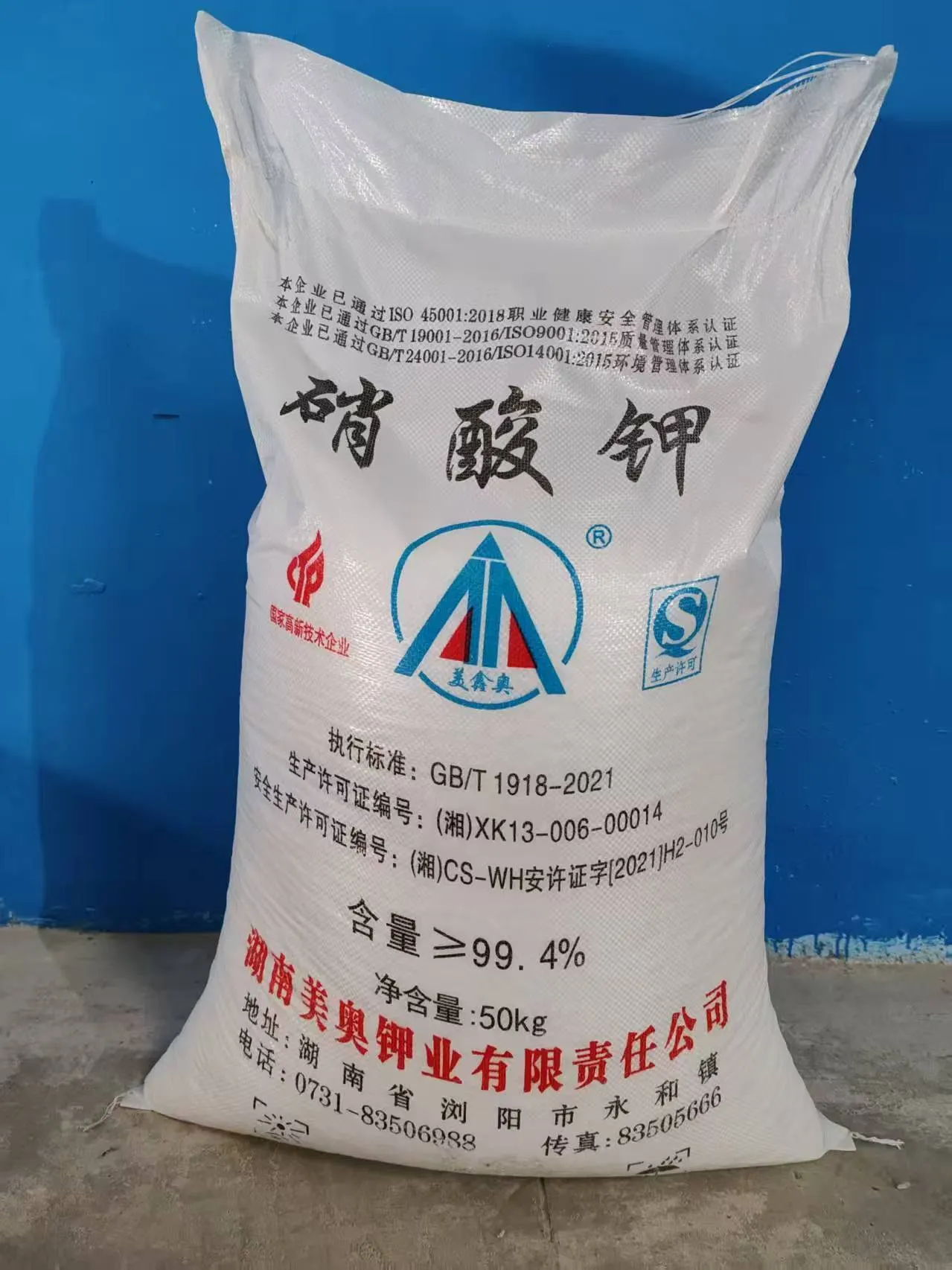
Potassium nitrate, often referred to as KNO3, is a common fertilizer used in agriculture to promote plant growth. But what exactly does it do to plant roots? This article will explore the effects of potassium nitrate on plant roots, addressing questions about its potential benefits and drawbacks.

Potassium nitrate is a chemical compound composed of potassium, nitrogen, and oxygen. As a fertilizer, it provides essential nutrients that plants need to grow. Both potassium and nitrogen play crucial roles in plant health. Potassium helps with water regulation, enzyme activation, and photosynthesis, while nitrogen is a vital component of amino acids and proteins.
Why Use Potassium Nitrate in Gardening?
Gardeners and farmers use potassium nitrate because it is highly soluble, making it easy for plants to absorb. Its dual nutrient provision supports robust plant growth, leading to higher yields. But how does this compound specifically affect plant roots?
Potassium Nitrate and Root Health
The health of plant roots is fundamental to overall plant vitality. Roots absorb water and nutrients from the soil, anchor the plant, and store energy. Let’s delve into how potassium nitrate impacts these crucial functions.
Enhancing Nutrient Uptake
Potassium nitrate can enhance root growth by improving nutrient uptake. The presence of potassium in the compound aids in the movement of nutrients and water within the plant. This improved movement can lead to stronger and more extensive root systems, enabling plants to access more resources from the soil.
Does Potassium Nitrate Dissolve Roots?

A common question is whether potassium nitrate can dissolve roots. The answer is no—under normal conditions, potassium nitrate does not dissolve roots. Instead, it supports root health by providing essential nutrients. However, excessive use of potassium nitrate can lead to toxicity, which we will discuss further.
Potassium Nitrate Toxicity
While potassium nitrate is beneficial in proper amounts, excessive use can harm plants. Too much potassium nitrate can lead to nutrient imbalances and toxicity, negatively affecting root health.
Signs of Potassium Nitrate Toxicity
When plants are exposed to high levels of potassium nitrate, they may exhibit signs of stress. These can include:
- Leaf chlorosis (yellowing)
- Leaf burn or browning edges
- Stunted growth
- Wilting
Preventing Toxicity
To prevent potassium nitrate toxicity, it’s essential to follow recommended application rates. Testing soil regularly can help gardeners and farmers understand nutrient levels and adjust fertilizer use accordingly. It’s also important to ensure that the soil has good drainage to prevent nutrient buildup.
Potassium Nitrate Solutions

Using potassium nitrate solutions is a common practice to provide nutrients directly to plants. These solutions can be applied through irrigation systems or as foliar sprays. When used correctly, they offer a controlled method of delivering nutrients to plants.
Benefits of Potassium Nitrate Solutions
Potassium nitrate solutions allow for precise control over nutrient application, reducing the risk of over-fertilization. They are especially useful in hydroponic systems and areas with poor soil quality, where nutrient delivery is crucial for plant health.
Impact on Roots
In solution form, potassium nitrate is readily available for plant uptake. This can lead to enhanced root growth and better overall plant health. However, as with any fertilizer, careful monitoring is necessary to avoid potential toxicity.
Impact of KNO3 on Plants
Besides its effects on roots, potassium nitrate impacts the entire plant system. Its role in photosynthesis, enzyme activation, and water regulation is vital for healthy plant growth.
Photosynthesis and Growth
Potassium is essential for photosynthesis, the process by which plants convert sunlight into energy. By supporting this process, potassium nitrate contributes to faster growth and higher yields.
Enzyme Activation
Potassium activates various enzymes that are crucial for plant metabolic processes. These enzymes aid in growth, development, and resistance to stress, further highlighting the importance of potassium nitrate in agriculture.
Conclusion
Potassium nitrate is a valuable tool in agriculture, offering essential nutrients that promote healthy root and plant growth. While beneficial, it requires careful application to prevent toxicity. By understanding its effects on plant roots and overall plant health, gardeners and farmers can use potassium nitrate effectively to enhance their crops.
In conclusion, potassium nitrate supports root health by improving nutrient uptake and contributing to plant vitality. With proper use, it can be an asset in achieving robust plant growth and high agricultural yields.
 English
 Arabic
 Spanish
 French