
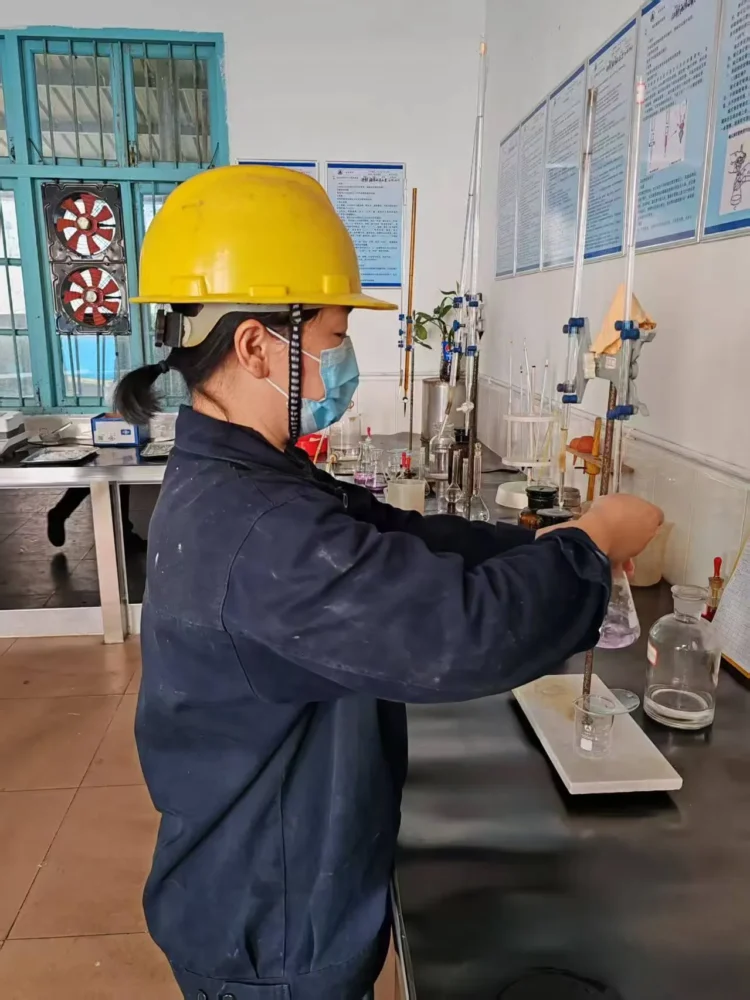
Crystallizing potassium nitrate (KNO3) is an exciting and educational process that showcases the wonders of chemistry in action. Whether you’re a budding scientist or just enjoy crafting beautiful crystals, this step-by-step guide will walk you through the process of transforming a simple solution into stunning potassium nitrate crystals.
Crystallization is a process where a solid forms from a liquid solution. In the case of potassium nitrate, we utilize a method called cooling crystallization. This involves dissolving KNO3 in hot water to create a supersaturated solution, which then cools down to form beautiful crystals.

What is Supersaturation?
Supersaturation is a key concept in crystallization. It occurs when a solution contains more dissolved solute than it can typically hold at a given temperature. As the solution cools, the solute (in this case, potassium nitrate) begins to form solid crystals.
Materials Needed
Before you begin, gather the following materials:
- Potassium nitrate (KNO3)
- Distilled water
- Heat source (such as a stove or hot plate)
- Beaker or heat-resistant container
- Stirring rod
- Thermometer
- Filter paper or coffee filter
- A shallow dish or crystallization dish
Step-by-Step Process to Crystallize Potassium Nitrate
Step 1: Prepare Your Solution
- Measure the Water: Start by pouring a measured amount of distilled water into your beaker or container. The amount of water you use will depend on how much potassium nitrate you plan to crystallize.
- Heat the Water: Using your heat source, gently heat the water. It’s important not to let it boil; just warm it up until it’s hot.
- Add Potassium Nitrate: Slowly add potassium nitrate to the hot water while stirring continuously. Keep adding until no more dissolves. This indicates that you’ve reached the point of saturation.
Step 2: Create a Supersaturated Solution
- Heat to Dissolve More: Continue heating the solution and add more potassium nitrate until it’s fully dissolved again. You’re creating a supersaturated solution, which is key for crystal growth.
- Monitor the Temperature: Use your thermometer to ensure the solution remains hot but not boiling.
Step 3: Cool and Crystallize

- Remove from Heat: Once the potassium nitrate is fully dissolved, remove the solution from the heat source.
- Allow to Cool Slowly: Let the solution cool down gradually at room temperature. Avoid moving or disturbing it, as this can affect crystal formation.
- Observe Crystal Formation: As the solution cools, you’ll start to see crystals forming. This is the potassium nitrate coming out of the solution to form solid structures.
Step 4: Harvest Your Crystals
- Filter the Crystals: Once you’re satisfied with the size and number of crystals, use a filter paper or coffee filter to separate them from the remaining liquid.
- Dry the Crystals: Place the filtered crystals on a paper towel or in a shallow dish to dry. Leave them in a dry, cool place to ensure they don’t dissolve back into solution.
- Store Properly: Once completely dry, store your potassium nitrate crystals in a sealed container to prevent moisture absorption.
Tips and Tricks for Successful Crystal Growth
Ensure Purity of Materials
Using pure potassium nitrate and distilled water is crucial for clear and defect-free crystals. Impurities can lead to cloudy or irregular crystals.
Control the Cooling Process
For the best crystal growth, allow the solution to cool slowly. Rapid cooling can result in smaller, less uniform crystals.
Experiment with Different Conditions
Experiment with different temperatures and concentrations to see how they affect crystal size and shape. This is a great way to learn more about the crystallization process.

Understanding the Science Behind Crystallization
Crystallization is not just a fascinating hobby; it’s a process with practical applications in industries like pharmaceuticals, food production, and materials science. By mastering the art of crystal growth, you gain insight into a fundamental chemical process.
The Role of Temperature
Temperature plays a crucial role in crystallization. By adjusting the temperature, you can control the solubility of potassium nitrate and influence the rate at which crystals form.
The Importance of Nucleation
Nucleation is the initial step where solute molecules start to gather into clusters, leading to crystal formation. Controlling the conditions that affect nucleation can help you manage the size and quality of your crystals.
Safety Precautions
While working with chemicals, always prioritize safety. Wear protective gear such as gloves and goggles, especially when handling hot solutions or chemicals. Ensure you’re working in a well-ventilated area to avoid inhaling any fumes.
Conclusion
Crystallizing potassium nitrate is both a rewarding and educational experience. By following this guide, you can create beautiful KNO3 crystals while gaining a deeper understanding of the crystallization process. Whether for science projects, educational purposes, or simply as a hobby, the art of making potassium nitrate crystals offers endless possibilities for exploration and discovery.
Happy crystallizing!
 English
 Arabic
 Spanish
 French