
Potassium nitrate, commonly known as saltpeter, is a versatile compound with a range of applications. It’s a chemical compound denoted by the formula KNO3, and it appears as a crystalline material. In this article, we’ll delve into the various uses of potassium nitrate crystals and how they play an essential role in different fields, from pyrotechnics to agriculture.
Potassium nitrate is a naturally occurring mineral source of nitrogen. It’s a chemical reagent known for its oxidizing properties, which makes it valuable in several applications, including as a pyrotechnics oxidizer and a component in fertilizers.

Crystal Formation
The formation of KNO3 crystals is a fascinating process. Typically, these crystals are formed through the evaporation of water from a saturated solution of potassium nitrate. This process can be carried out in a controlled environment to produce large, well-formed crystals that are highly valued for their purity and effectiveness in various applications.
Applications of Potassium Nitrate Crystals
Pyrotechnics Oxidizer
In the world of fireworks and pyrotechnics, potassium nitrate serves as a critical oxidizer. An oxidizer is a substance that provides the oxygen needed for combustion, which is essential for creating the bright colors and explosive effects in fireworks. Potassium nitrate ensures that the fuel in the firework burns efficiently and brightly.
Food Preservation
Potassium nitrate has been used historically in food preservation, particularly in curing meats. It acts as a preservative that prevents the growth of bacteria, helping to keep food safe and prolonging its shelf life. However, its use in food has decreased due to the availability of other preservatives and concerns about nitrate consumption.

Fertilizer Potassium Nitrate
In agriculture, potassium nitrate is a popular fertilizer due to its content of both potassium and nitrogen—two essential nutrients for plant growth. It’s particularly beneficial for high-value crops like fruits and vegetables because it helps improve yield and quality. When using potassium nitrate as a fertilizer, it’s important to follow guidelines to ensure optimal plant health without causing nutrient imbalances.
Potassium Nitrate for Plants
Aside from its use as a fertilizer, potassium nitrate can also aid in specific plant processes. It helps in water uptake and enzyme activation, which are vital for plant growth and development. Additionally, it can be used to treat potassium deficiency in plants, which is characterized by yellowing leaves and poor fruit development.
How to Use KNO3 Safely
While potassium nitrate is incredibly useful, it’s important to handle it with care. Here are some guidelines for safe use:
- Wear Protective Gear: Always wear gloves and safety glasses when handling potassium nitrate to prevent skin and eye irritation.
- Storage: Store the crystal in a cool, dry place away from incompatible substances like acids and combustible materials.
- Follow Guidelines: Whether using it as a fertilizer or in pyrotechnics, always follow the recommended guidelines and dosages to avoid accidents or damage to plants.
Chemical Reagent KNO3
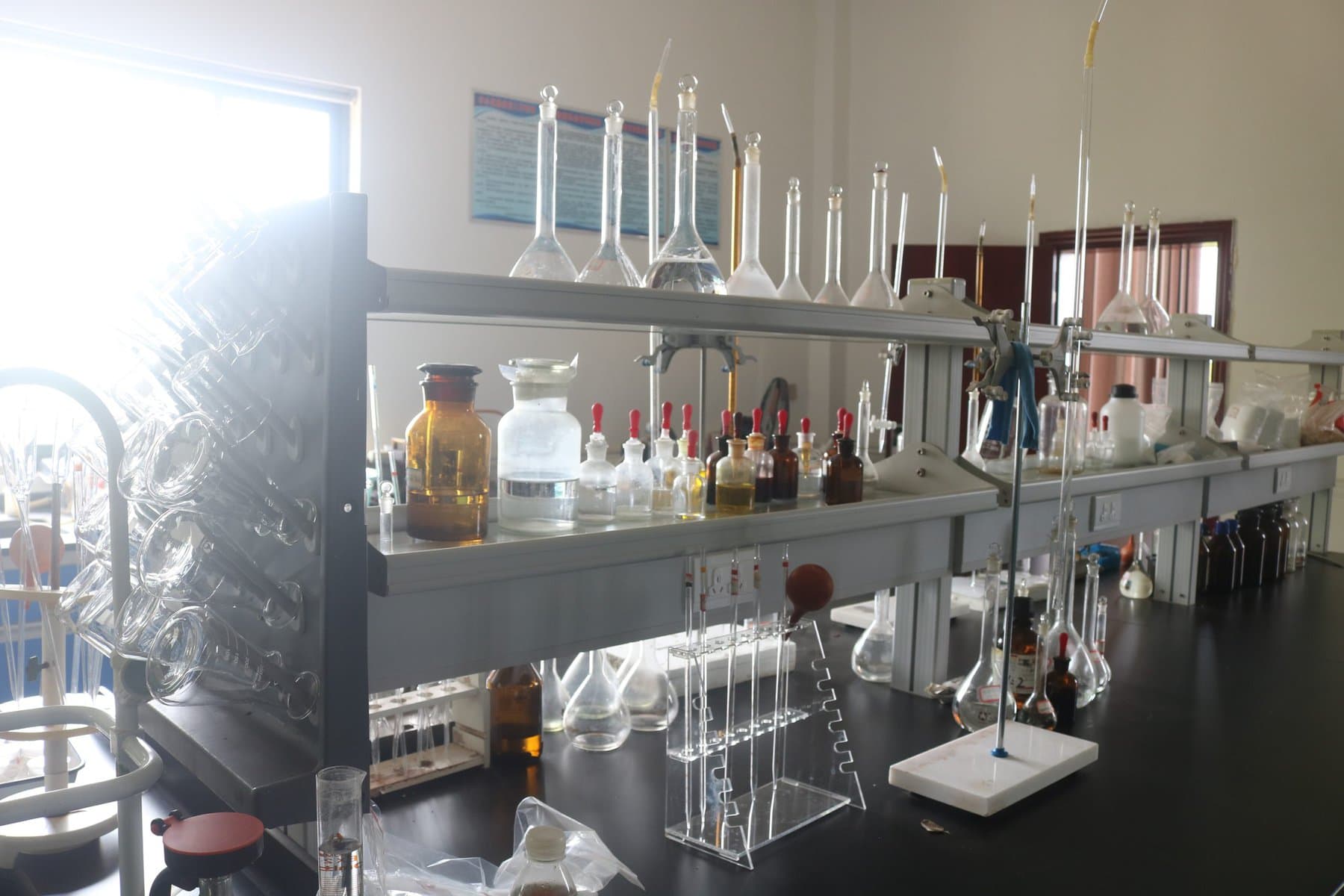
In laboratories, potassium nitrate serves as a reliable chemical reagent. Its predictable chemical behavior makes it useful in various experiments and demonstrations. It can be used in the synthesis of other compounds or as a standard in analytical chemistry.

KNO3 Crystal Applications in Science and Industry
The crystals have a wide range of applications beyond those already mentioned. In the production of glass and ceramics, potassium nitrate is used to strengthen the material. It’s also employed in the manufacture of specialty fertilizers that cater to specific plant needs.
In the field of medicine, potassium nitrate is sometimes used in dental products to help reduce tooth sensitivity. Its ability to block the transmission of nerve signals in teeth makes it effective in relieving discomfort.
Conclusion
Potassium nitrate crystals are a remarkable compound with diverse applications. From their role as a pyrotechnics oxidizer to their use in agriculture and food preservation, these crystals are an integral part of many industries. When used responsibly and safely, potassium nitrate can be an invaluable tool in both scientific and practical applications.
Whether you’re a farmer looking to boost crop yields, a chemist conducting experiments, or simply curious about the fascinating world of chemical compounds, understanding the uses and handling of potassium nitrate crystals is essential. By following best practices and safety guidelines, you can harness the full potential of this versatile compound.
 English
 Arabic
 Spanish
 French